
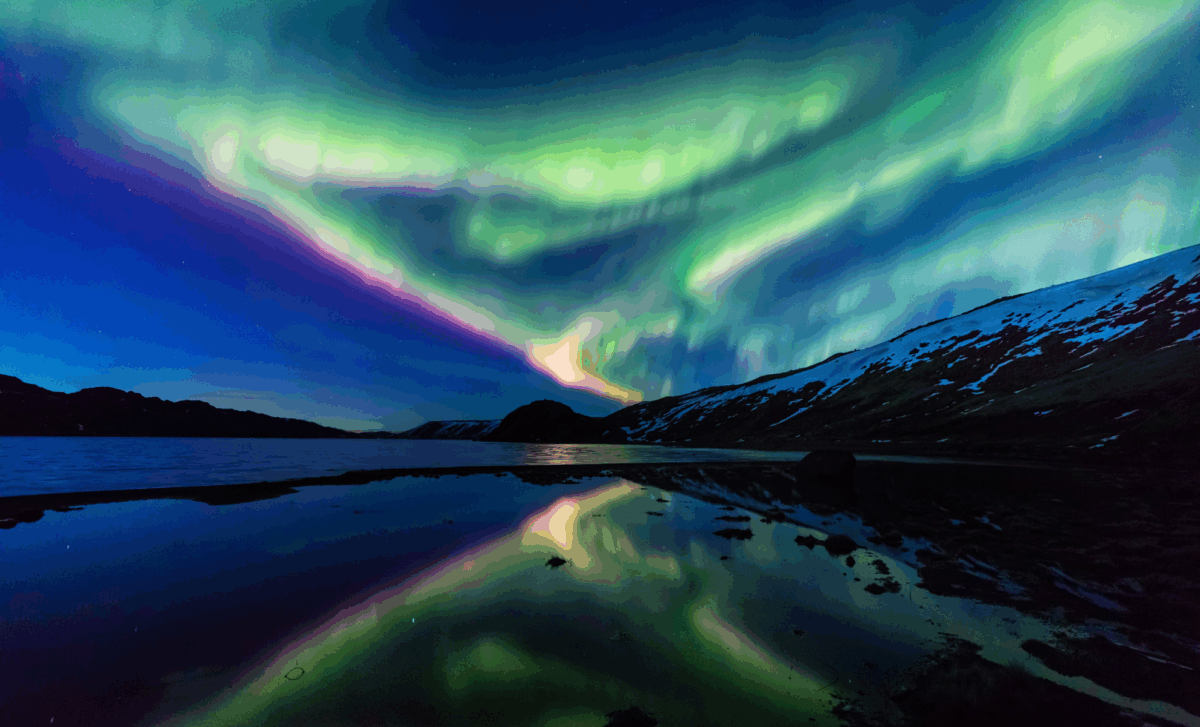
The aurora borealis, commonly known as the Northern Lights, is predicted to light up the skies over several U.S. states this week. New data from the National Oceanic and Atmospheric Administration (NOAA) indicates that a geomagnetic storm could make these vibrant displays visible unusually far south, reaching locations including parts of New York and Montana. Whether you're an experienced aurora observer or simply admire the night sky, this is an exceptional opportunity to witness this celestial phenomenon. The prime viewing window is expected from October 28 to 29, 2025, thanks to charged particles interacting with Earth's magnetic field.
What Triggers These Auroras? The Science Behind Geomagnetic Storms
Geomagnetic storms take place when energetic solar particles collide with Earth’s magnetosphere, causing fluctuations that generate the visible aurora. This specific event stems from accelerated solar wind streaming from a substantial coronal hole on the Sun’s surface. Coupled with the arrival of a mild coronal mass ejection (CME) on October 27, scientists anticipate a boost in solar wind intensity in the coming days. What makes this storm noteworthy is the interaction of both swift solar wind and potentially stronger geomagnetic storm activity, reaching up to G2 on the severity scale, enabling auroras to be seen at latitudes farther south than usual.
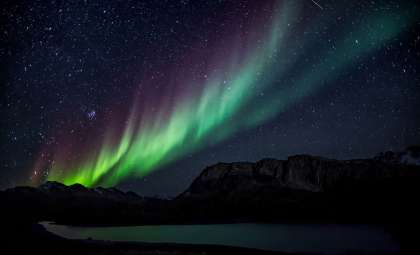
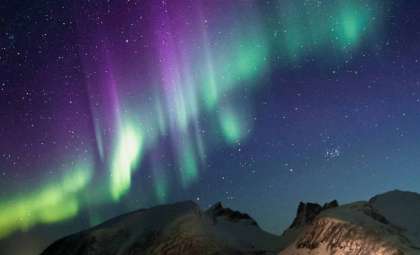
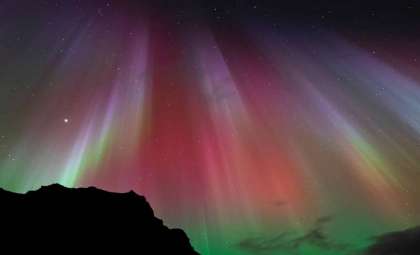
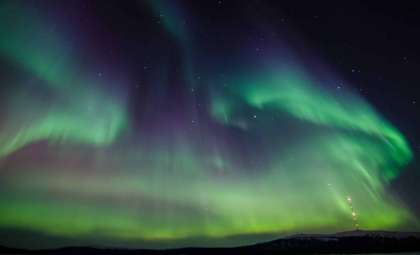
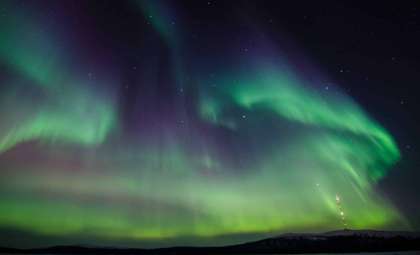
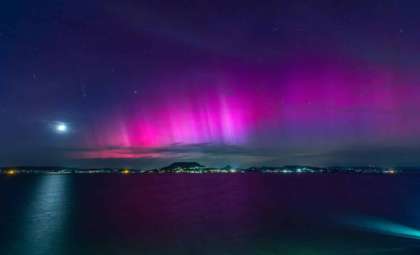
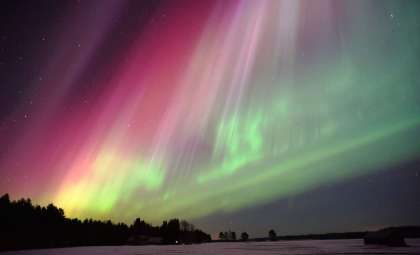
Typically confined to high latitude regions, these luminous displays can stretch closer to the equator during intense storms. Such events are eagerly anticipated by skywatchers due to the mixture of colors — from greens and yellows to rich reds and purples — produced by varying atmospheric interactions. If solar wind conditions peak, the aurora may become observable in states that seldom receive this natural spectacle.

Where and When to View the Northern Lights in 2025
For those eager to experience the shimmering auroras, timing and location are crucial. Utilizing the most recent NOAA forecast maps, forecasts suggest the aurora will be visible across 14 U.S. states, with optimal viewing on the evenings of October 28 and 29. Expected states include Alaska, Montana, North Dakota, Minnesota, and New York. Sightings may also extend to southern regions such as Washington and Wisconsin, though several environmental factors will influence visibility.
The best experience comes from escaping artificial light pollution, so find locations with the darkest skies possible. A clear, unobstructed northern horizon is vital since the auroras generally appear in the northern part of the sky. In areas like Alaska and Minnesota, frequent auroras might lead to more dramatic displays, whereas in southern locations, appearances depend heavily on the geomagnetic storm’s strength. Peak visibility is usually between midnight and 2 a.m. local time, but displays might begin earlier after sunset if geomagnetic activity intensifies.
Tips for Maximizing Aurora Viewing Success
Because the Northern Lights can be elusive, even within the right geographic zone, having patience and the correct conditions is essential. Auroras often emerge gradually, sometimes faint before brightening, so staying alert and waiting is worthwhile. Also, check the weather forecast to ensure clear skies, as cloud cover can obstruct your view.
Leveraging technology can enhance your chances—apps such as “My Aurora Forecast & Alerts” deliver real-time notifications about aurora visibility tailored to your location. These tools monitor solar winds and geomagnetic activity, helping you pinpoint optimal viewing moments and spots without unnecessary guessing.
- Categories:
- News


0 comments
Sign in to Comment