
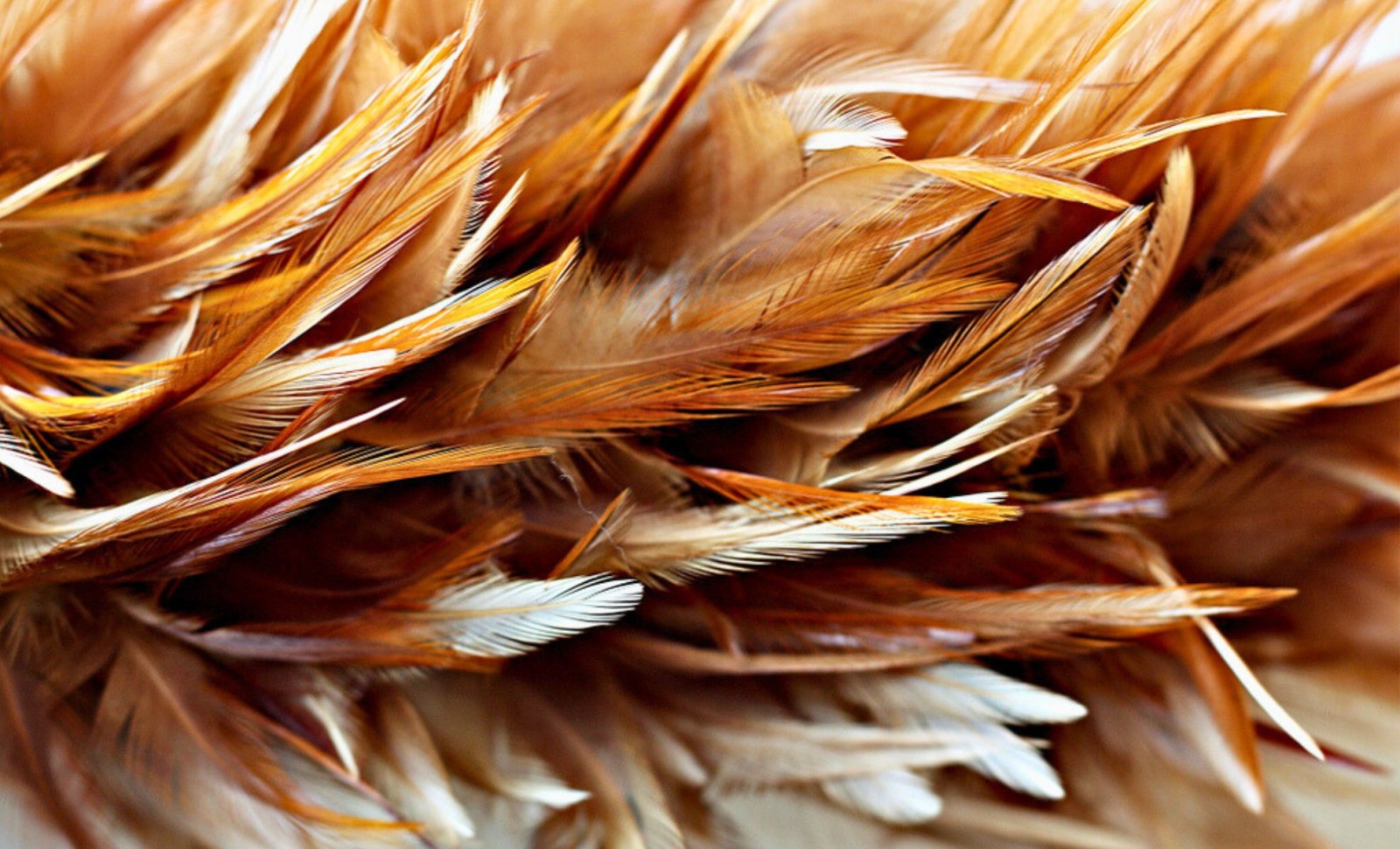
Researchers from ETH Zurich and Nanyang Technological University Singapore (NTU) have unveiled a novel hydrogen fuel cell membrane crafted from chicken feathers, a widely abundant waste product in poultry farming worldwide.
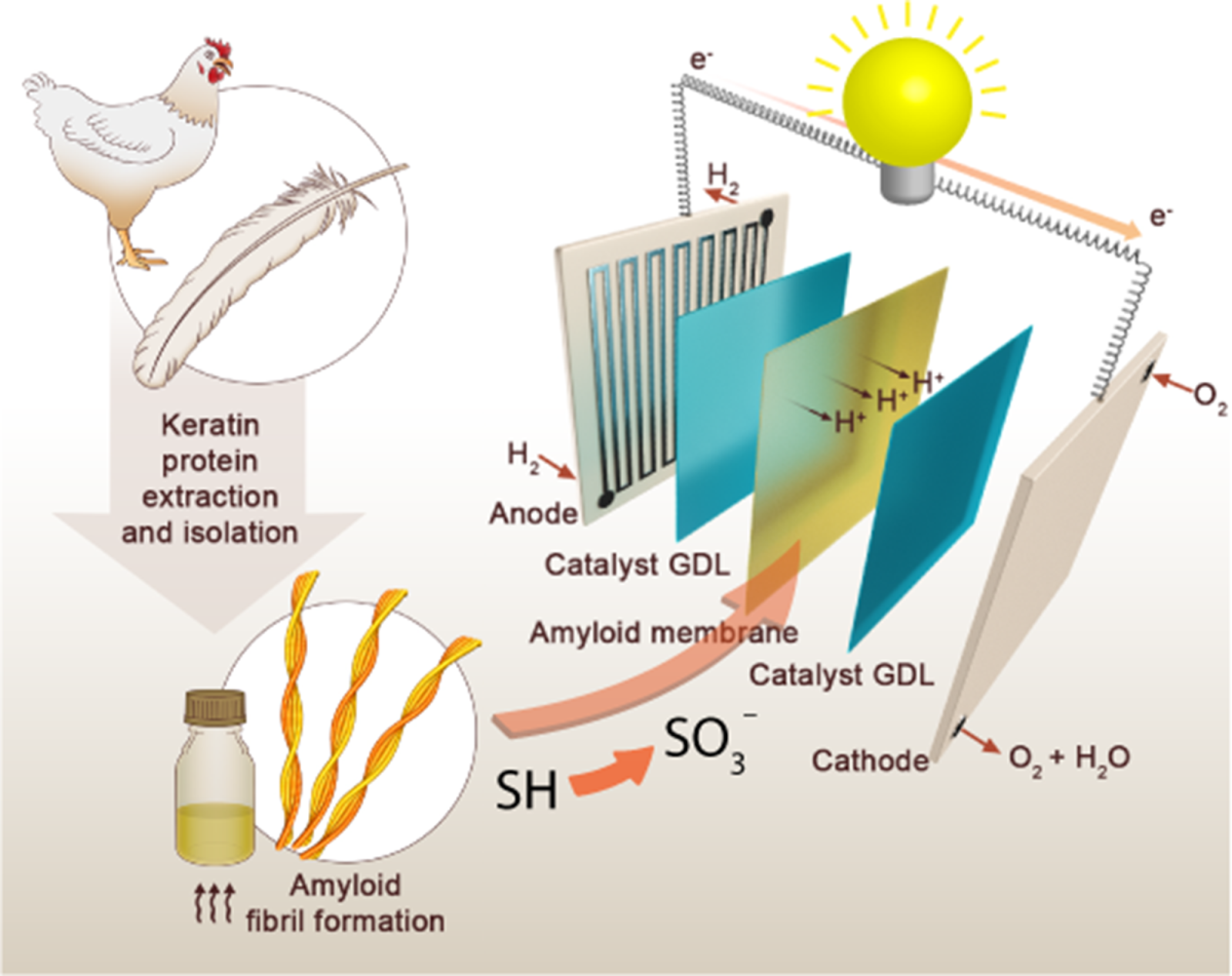
The innovative membrane is derived from keratin, the main protein found in feathers. This keratin is extracted and converted into amyloid fibrils, creating a slim, proton-conductive membrane that can replace traditional, environmentally harmful materials typically used in hydrogen fuel cells. The new material offers a biodegradable alternative to toxic fluorinated membranes.
Published in ACS Applied Materials & Interfaces in September 2023, the study presents a scalable and affordable solution with significant ecological advantages—both in reducing waste and minimizing pollution from fuel cell manufacturing.

Transforming Feather Waste into Sustainable Energy
Each year, the global poultry industry discards approximately 40 million metric tons of feathers, most of which are incinerated. This disposal method emits carbon dioxide and sulfur dioxide, harmful contributors to climate change and air quality degradation. The ETH Zurich and NTU researchers emphasize that their method not only prevents these emissions but repurposes feathers into valuable materials for clean energy technologies.
“Our latest development closes a cycle: we’re taking a substance that releases CO₂ and toxic gases when burned and used it in a different setting: with our new technology it not only replaces toxic substances, but also prevents the release of CO₂, decreasing the overall carbon footprint cycle,” said Raffaele Mezzenga, professor of food and soft materials at ETH Zurich, in a statement from the university.
The process extracts keratin from feathers through heat and chemical treatment, reorganizing it into amyloid fibrils that form a thin, semipermeable membrane. Lab tests revealed a proton conductivity of 6.3 millisiemens per centimeter, adequate for use in hydrogen fuel cells, water electrolysis, and even protonic transistors.
Advantages in Efficiency and Economics
Although currently in the prototype phase, the membrane derived from feathers achieved a peak power density of 25 milliwatts per square centimeter during hydrogen fuel cell testing with ambient air.
While performance is lower than commercial membrane standards, the advantages lie in cost-effectiveness, material availability, and biodegradability. Chicken feathers, with about 90% keratin, provide an inexpensive and plentiful source material. The ETH and NTU membrane is reportedly up to three times less expensive to produce than traditional fluoropolymer-based membranes.
Common membranes like Nafion utilize perfluorinated substances (PFAS), synthetic chemicals that persist in the environment and raise serious health concerns. In 2023, the U.S. EPA proposed strict limits on PFAS in drinking water due to their toxicity and resilience.
In comparison, keratin-based membranes are biocompatible, non-toxic, and biodegradable, meeting rising demands for greener and safer materials in energy applications.
Expanding Uses and Path to Market
Beyond fuel cells, the researchers demonstrated the membrane’s utility in electrolysis for water splitting, as well as in protonic field-effect transistors. The membrane’s capacity to transmit protons without added chemicals positions it as a candidate for emerging electrochemical technologies.
The team has secured a patent and is investigating partnerships to scale production and commercialize the technology. Key challenges ahead include validating the membrane’s long-term durability, chemical resistance, and performance stability in practical settings.
These promising early findings illustrate that chicken feathers, often viewed as waste, could soon contribute significantly to clean energy solutions, aiding global efforts to decarbonize power generation and cut environmental footprints.
- Categories:
- News






0 comments
Sign in to Comment