
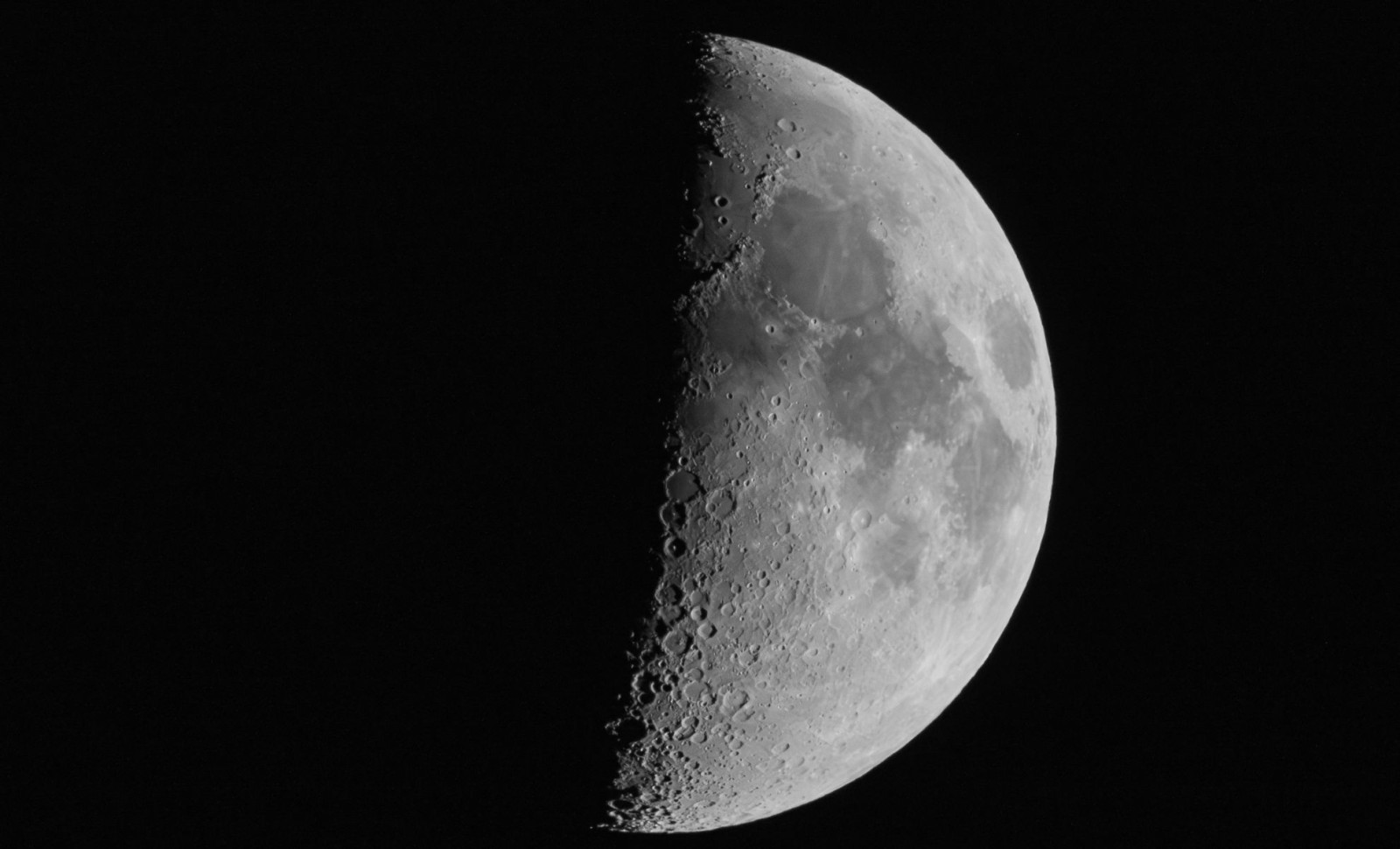
Researchers have potentially resolved a long-standing puzzle regarding the Moon’s asymmetric surface. New chemical analysis of dust from the lunar far side offers compelling evidence of a catastrophic ancient impact that might have altered the Moon’s inner layers, according to experts from the Chinese Academy of Sciences.
These insights come from the dust samples brought back by China’s Chang’e-6 mission, highlighting the significant influence of early cosmic collisions on the Moon’s geological evolution.
Unlocking Secrets of the Moon’s Hidden Hemisphere
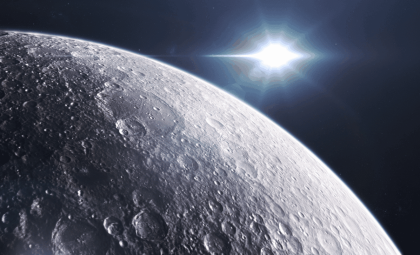
Since the Soviet Luna 3 probe first transmitted images of the Moon’s far side in 1959, scientists have been perplexed by the contrasting features of the Moon’s two faces. Although several hypotheses have been suggested, the lack of direct material from the far side prevented definitive conclusions.

This situation shifted with the 2024 return of samples from the Chang’e-6 mission, which collected dust from the South Pole–Aitken Basin: a massive crater covering nearly 25% of the lunar surface and believed to be the largest impact site in the solar system.
Isotope Evidence Reveals Altered Lunar Interior
Guided by Heng-Ci Tian, the Chinese Academy of Sciences team analyzed isotopes of potassium and iron in the far-side dust. Published in the Proceedings of the National Academy of Sciences, these findings were compared with near-side samples collected during the Apollo missions and China’s Chang’e-5 expedition.
The comparison revealed a striking contrast: far-side samples contained a higher proportion of heavier isotopes, especially potassium, while near-side materials were enriched with lighter isotopes. The team ruled out conventional volcanic processes as the cause of this isotope fractionation.
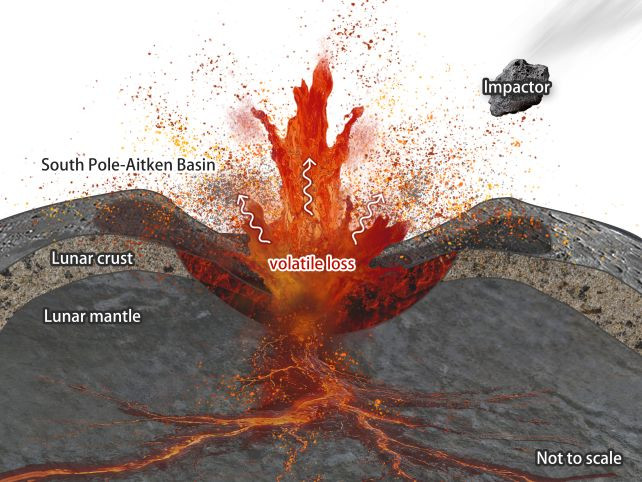
Instead, the scientists propose that the impact that formed the South Pole–Aitken Basin generated enough intense heat to vaporize lighter isotopes, resulting in a residue enriched with heavier isotopes.
“This feature most likely resulted from potassium evaporation caused by the South Pole-Aitken basin-forming impact, demonstrating the profound influence of this event on the Moon’s deep interior,” they wrote.
Evidence of Profound Mantle Modification
While previous studies have suggested impacts altered the Moon’s surface layers, this research hints that the effects reached the mantle, indicating the collision penetrated beyond the crust and induced lasting internal changes.
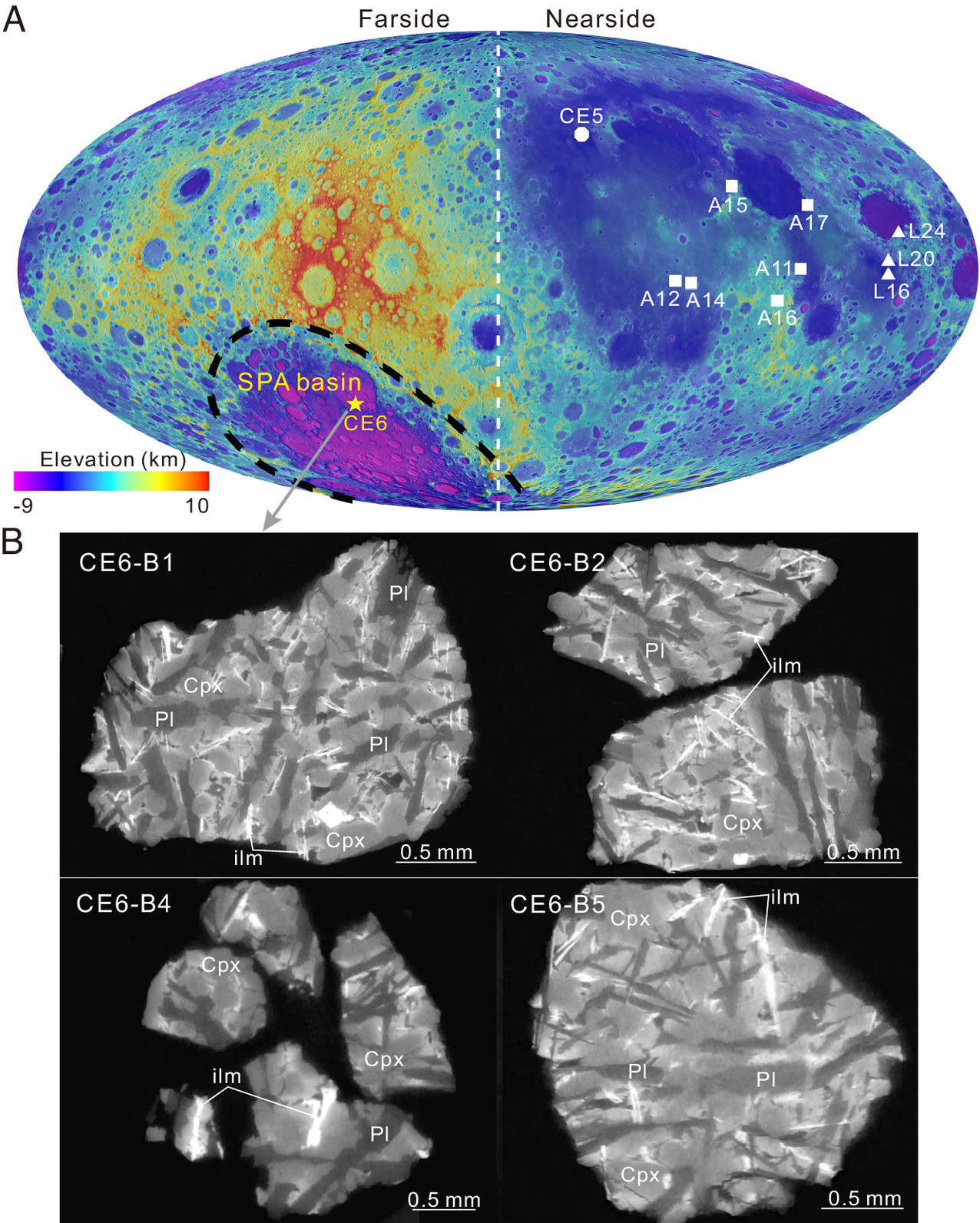
The sample composition points to potassium isotopes on the far side emerging from a mantle source distinct from that influencing the near side. This suggests the impact triggered widespread melting and chemical reshuffling inside the Moon, leaving isotopic signatures preserved today.
New Insights into Lunar Evolution
The research proposes that massive impacts like this are more than surface-altering events; they could drive internal planetary dynamics such as large-scale mantle convection, which reshape crustal and mantle structures over geological timescales.
While further studies are needed to fully confirm this, current data show that impacts may start long-term internal evolution processes, not just leave visible craters.
“This finding also implies that large-scale impacts are key drivers in shaping mantle and crustal compositions,” the team noted.
With the arrival of Chang’e-6 samples, scientists have obtained invaluable material from the lunar far side, unlocking new clues about the Moon’s complex history.
- Categories:
- Space





0 comments
Sign in to Comment