
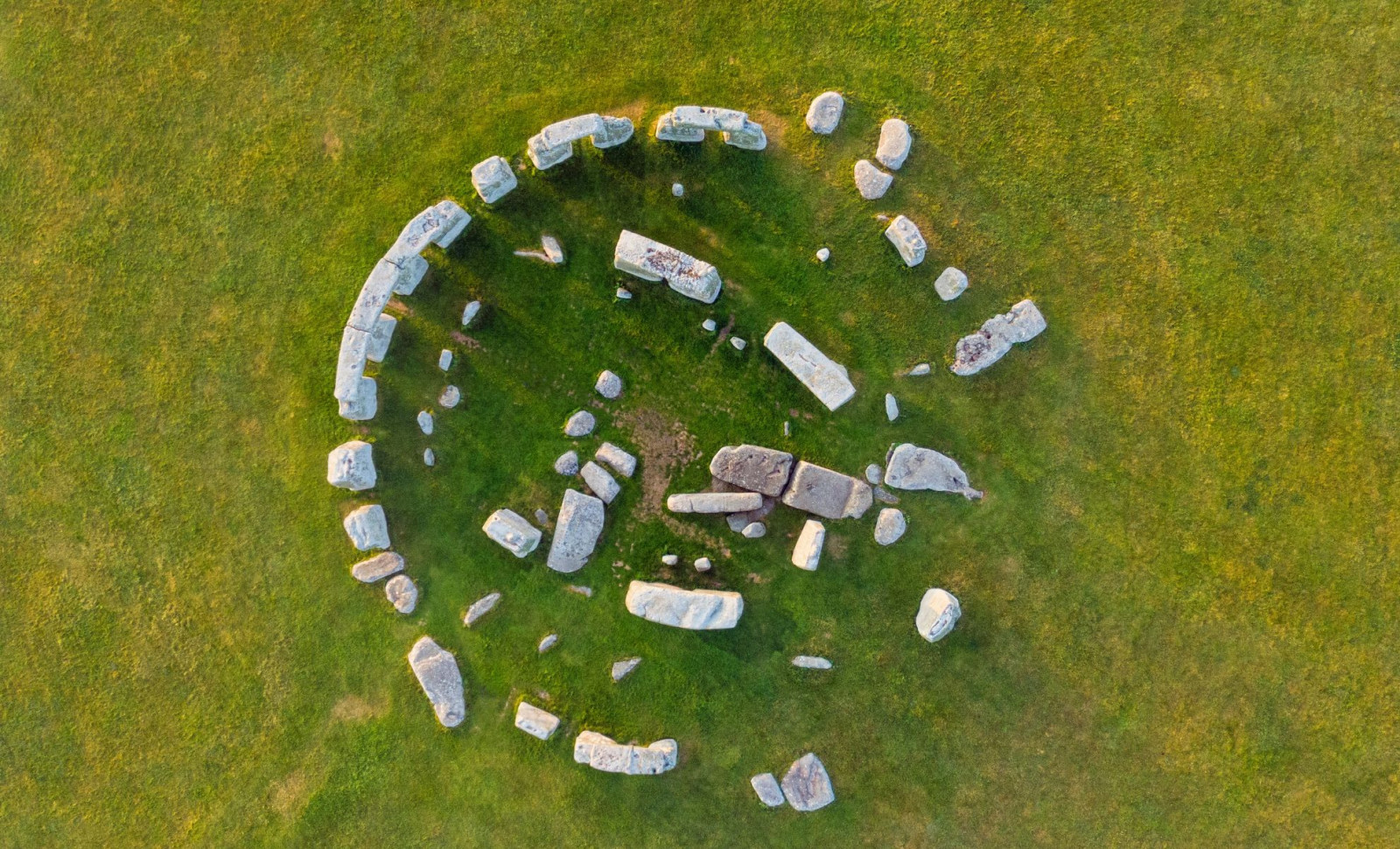
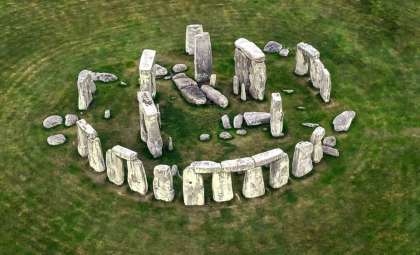
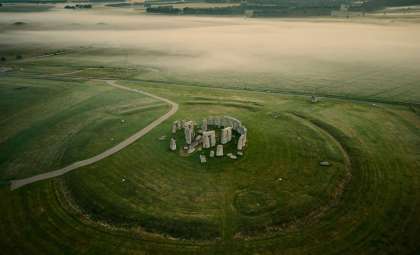
Close to Stonehenge, just about 5 kilometers away, archaeologists have unearthed a remarkable prehistoric timber monument offering fresh insights into ancient Britain. Estimated to be roughly 5,000 years old, this wooden structure was deliberately positioned to align with the summer and winter solstices, representing one of the earliest known solar-aligned sites in the region.
The site, found at Bulford in Wiltshire, emerged during a Wessex Archaeology-led excavation ahead of new Ministry of Defence housing development. Radiocarbon analysis dates the monument to around 3000 BC, contemporaneous with Stonehenge’s initial construction phase but predating its iconic stone trilithons by centuries.
Though less visually striking than Stonehenge, this discovery offers critical answers about how prehistoric populations interacted with their environment. Reports from The Guardian state that this is likely the earliest solstice-oriented monument recorded in Wiltshire and ranks among Britain’s oldest known.

A Chance Finding Nearly Overlooked
Unlike the towering stones of Stonehenge, the Bulford timber markers vanished millennia ago, leaving only two prominent postholes and several smaller pits behind.
Initially, archaeologists did not associate the larger postholes as related features. It wasn’t until the excavation concluded and lead archaeologist Phil Harding reviewed the site map that he discerned something remarkable. According to a press release from Wessex Archaeology, Harding drew an imaginary line between the postholes, noticing it perfectly aligned with the midsummer sunrise.
“The thing that struck me as soon as I saw that was that [the line was] about 50 degrees off the direct north, which was pretty much the line of the midsummer sunrise,” Harding said. “And so I got really, really excited about that.”
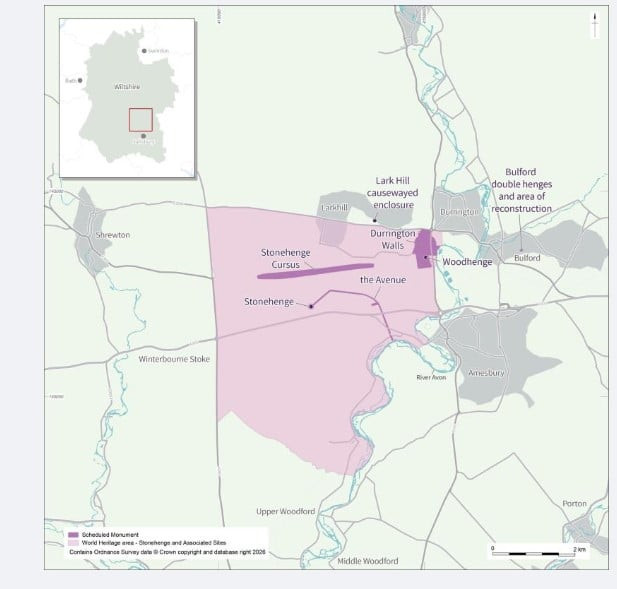
The spacing between the posts stretched approximately 120 meters, with postholes suggesting timber posts that once rose to heights between 3 and 4 meters.
Designed to Mark Seasonal Solar Events
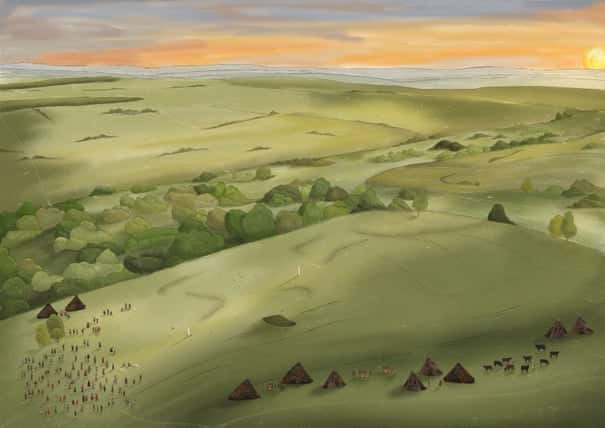
Following Harding’s observation, the excavation team enlisted Fabio Silva, an expert on archaeological skyscapes, to further investigate. His analysis, reported by Wessex Archaeology, confirmed that the monument was precisely aligned with the summer solstice sunrise and winter solstice sunset as they appeared around 2950 BC.
The dual timber posts likely functioned as a simple viewing tool, forming what archaeologists refer to as a “gunsight”, enabling ancient people to observe solar movements during solstice occasions.
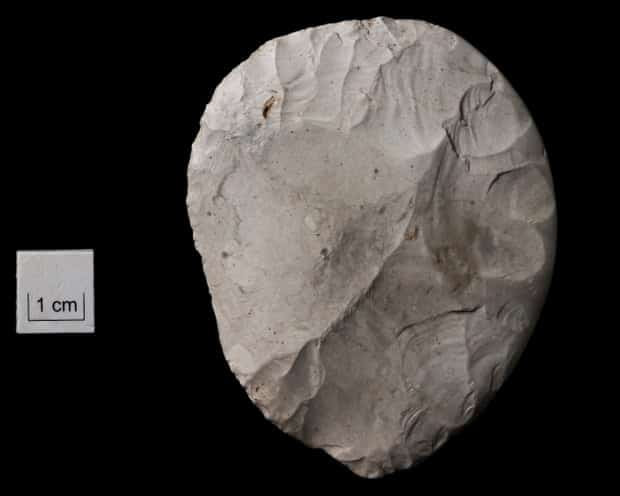
Archaeologists also found a rare disc-shaped flint knife in a smaller pit situated along the same solstice alignment. Although its exact significance remains unknown, the artifact might have symbolized the Sun to the people who placed it.
Adding Depth to Stonehenge’s Heritage
The Bulford find underscores that this landscape held ceremonial importance well before the formation of Stonehenge’s monumental stone architecture.
Matt Leivers, senior research manager at Wessex Archaeology, emphasized that the ongoing construction of solstice-related monuments highlights enduring belief systems spanning generations.
“What we’re seeing here is the religion of the stone age made manifest in the ground,” Leivers said.
Although the precise meaning the sun held for these communities remains elusive, the significant effort devoted to tracking its path indicates it was central to their worldview. Leivers added it would be “inconceivable” that the Bulford monument’s creators were unaware of the nearby Stonehenge site.
“If you had a time machine and went back, I wouldn’t be at all surprised if what we have found is one of the campsites of the builders of the first phase of Stonehenge. I think that’s entirely plausible.”
Harding expressed that finds like this are exceptionally rare and meaningful.
“It doesn’t matter whether you are a resident of Wiltshire or a resident of the Earth – everybody knows about Stonehenge. And to be able to contribute something to expanding our knowledge of Stonehenge is an incredible privilege.”
- Categories:
- News









0 comments
Sign in to Comment