
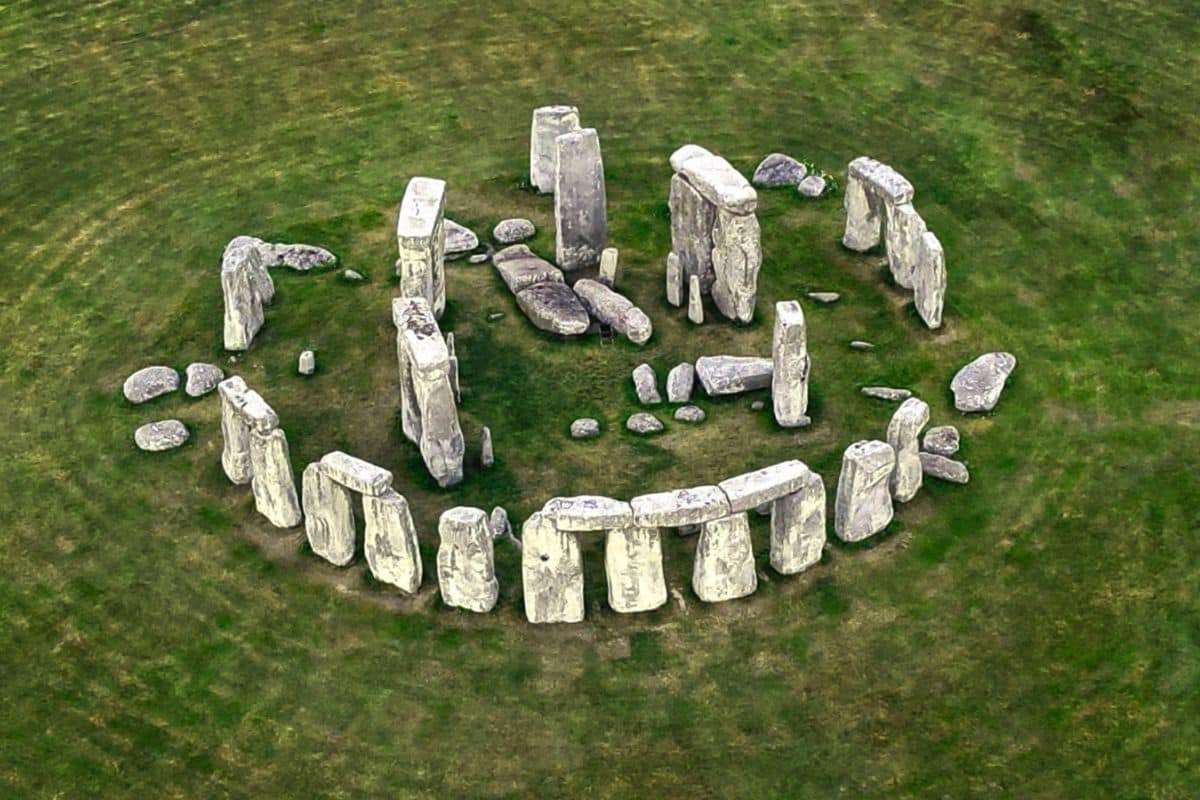
Archaeologists have identified a puzzling phenomenon at a megalithic site resembling Stonehenge, where the massive stones have been slowly moving over thousands of years. This challenges the typical belief that ancient stone monuments remain fixed in place long after their construction.
A Timeless Site Exhibiting Unexpected Mobility
Constructed from enormous upright stones, the monument shares key features with Stonehenge but stands out due to its stones’ gradual displacement over time.
Using techniques like satellite imaging combined with geological assessments, experts have confirmed subtle yet consistent shifts, echoing folkloric accounts from surrounding communities.

While prehistoric stone constructions are generally thought to be immobile due to their immense weight and deliberate positioning, this site demonstrates an unusual, slow movement that questions standard assumptions about megalithic monument permanence.
Exploring Potential Mechanisms Behind the Shift
Scientists propose several explanations for the movement observed at this ancient location. One prominent theory involves tectonic influences, suggesting the monument may rest atop a slowly shifting fault or be affected by subterranean geological activity.
Another explanation entails soil erosion and water presence, where underground water currents or seasonal flooding might have gradually destabilized the site’s foundations, causing the stones to subtly reposition over centuries.
Some researchers have also speculated on interactions with electromagnetic fields, hypothesizing that certain minerals within the stones could respond to geomagnetic forces, nudging the stones incrementally over time.
How This Site Compares to Other Megalithic Landmarks
Unlike this monument, iconic sites such as Stonehenge, Göbekli Tepe in Turkey, and Carnac in France remain essentially immobile despite centuries of natural wear and seismic events.
If it turns out the stones’ relocation was intentional, this might revolutionize the study of ancient architectural ingenuity, suggesting early builders could have harnessed natural dynamics as part of their designs.
Impact on Archaeological and Scientific Perspectives
This finding prompts fresh debates about how ancient structures interact with their environments. Should natural factors be driving the shifts, it highlights overlooked geological influences on historic megaliths worldwide.
Conversely, if human planning contributed to the movement, it challenges existing ideas about prehistoric technological sophistication and environmental awareness.
The discovery also encourages reevaluation of other ancient monuments with new tools like LIDAR scanning and ground-penetrating radar to detect possible overlooked changes.
Pursuing Answers to the Stonehenge-Like Enigma
Researchers are leveraging advanced methods to pinpoint causes behind the stone movements, including:
- Satellite tracking and 3D imaging to monitor ongoing shifts with precision.
- Geological fieldwork aimed at understanding subterranean processes impacting the site.
- Analysis of stone mineralogy to study potential interaction with environmental factors.
Uncovering evidence of intentional motion would offer remarkable insight into how ancient cultures engaged with natural phenomena.
Unraveling a Millennia-Old Puzzle
Whether the result of tectonics, environmental conditions, or prehistoric innovation, the gradual movement of this Stonehenge-like monument defies traditional archaeological assumptions.
Ongoing studies may not only solve the mystery here but also transform how we view the relationship between ancient monuments and the shifting earth beneath them.
- Categories:
- News










0 comments
Sign in to Comment