
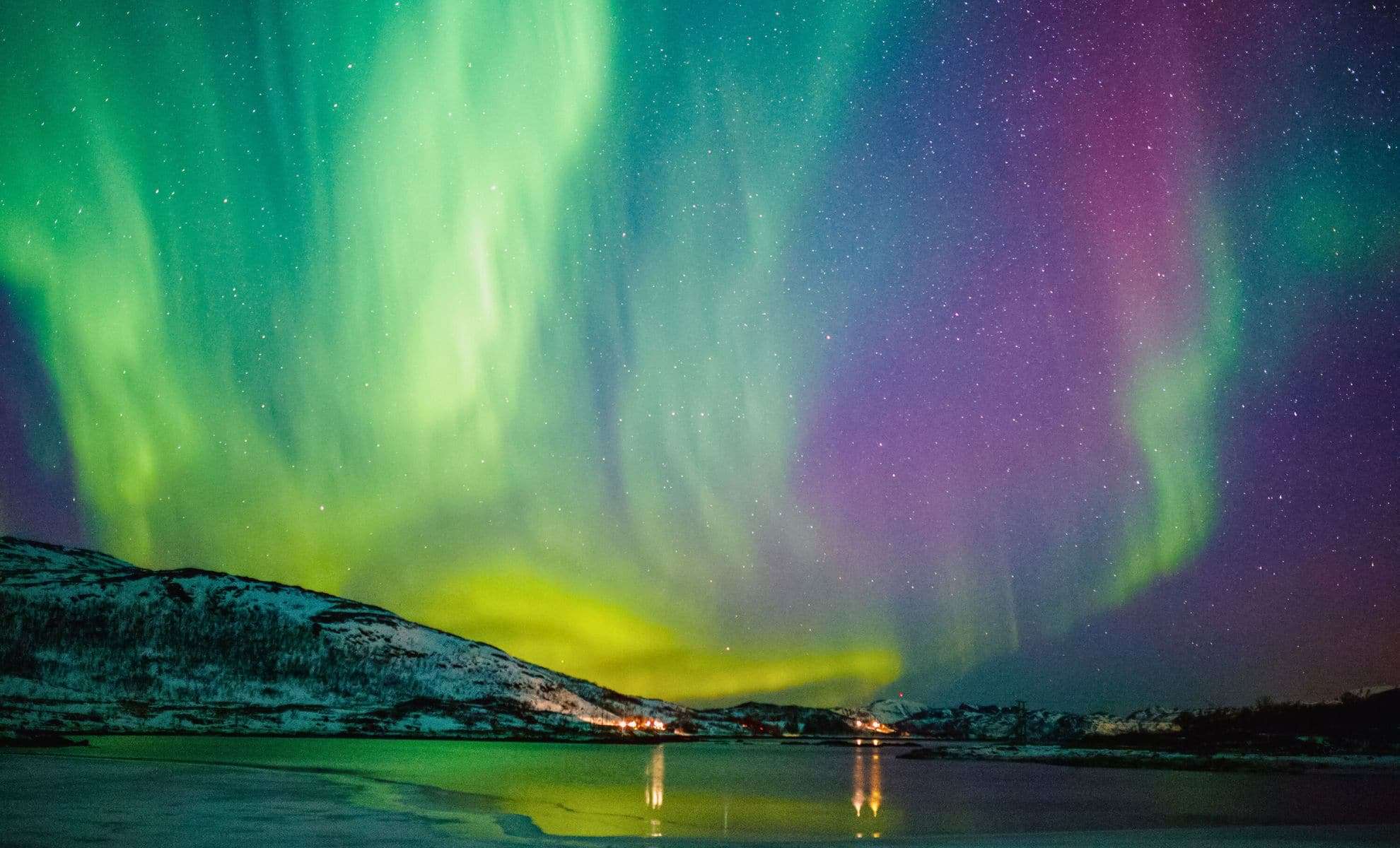
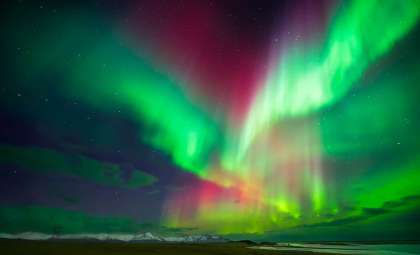
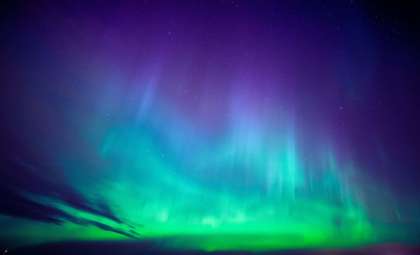
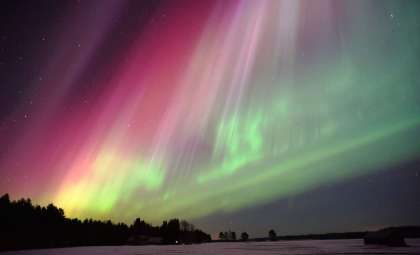
The Northern Lights are poised to make an impressive comeback this week, offering dazzling auroral displays across the Northern Hemisphere. Simultaneously, an exceptional arrangement of seasonal stars is gracing the night sky. A report from Forbes highlights how the recent autumn equinox has altered Earth's magnetic environment, boosting the probability of spectacular aurora sightings at unusually low latitudes.
Enhanced Aurora Activity Following the Equinox
In the wake of the autumn equinox, Earth enters a phase marked by amplified geomagnetic disturbances. This week offers prime conditions for auroras to become visible across both northern and some mid-latitude regions. Increased solar wind streams and potential coronal mass ejections (CMEs) may invigorate Earth’s magnetosphere, igniting brilliant auroral displays over the northern parts of the U.S., Canada, and Europe.
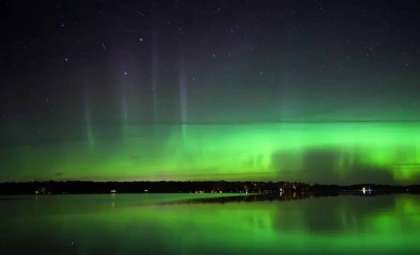
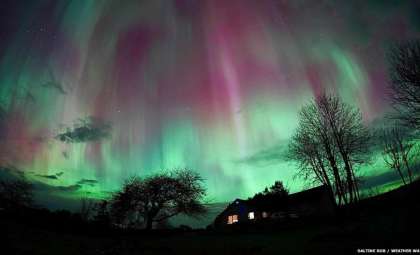
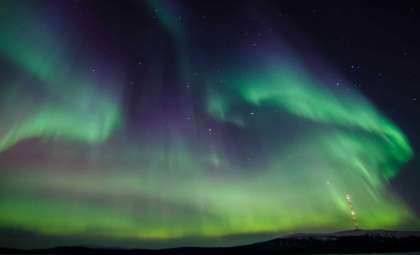
Known popularly as Northern Lights, these vibrant hues of green, purple, and red appear when solar-charged particles collide with atmospheric gases in Earth’s upper layers. Even a subtle aurora can be mesmerizing, especially for first-time viewers. Allow your eyes around 15–20 minutes to adapt to the darkness to enhance visibility.

The Return of the “Autumn Star” Near Saturn and the Moon
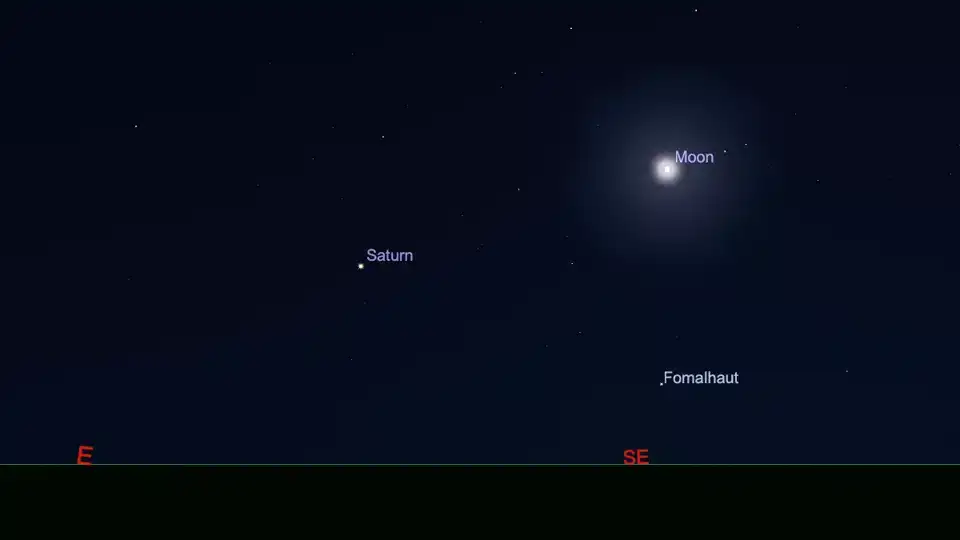
On Friday, October 3, skywatchers can observe Fomalhaut, a brilliant white star prominent in the southern sky during autumn. Situated within the constellation Piscis Austrinus, Fomalhaut briefly becomes visible from mid-northern latitudes each year, offering a fleeting yet stunning celestial highlight.
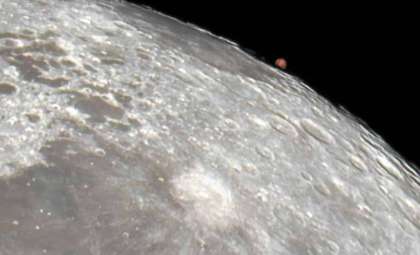
This week, a waxing gibbous moon at 87% illumination will hover just above Fomalhaut, while Saturn will sit nearby to the left. This unique alignment presents an excellent occasion for astrophotographers and casual observers. The close grouping of the moon, Saturn, and Fomalhaut forms a bright triangular pattern that stands out beautifully against the dusk sky.
Seasonal Stars Shift: Capella Ascends, Arcturus Declines
As October advances, the nighttime sky reveals seasonal star changes. In the northeast, the golden glow of Capella climbs higher with each evening, signaling the forthcoming winter. This star, part of the Auriga constellation, ranks among the brightest and serves as a seasonal transition marker.
Meanwhile, Arcturus, the orange giant star that dominated summer nights, gradually descends toward the western horizon. Both Capella and Arcturus shine with comparable brilliance this week, visually marking the shift between autumn and winter. Alongside these stellar changes, the Northern Lights may intermittently brighten as Earth's magnetic field adjusts to autumnal dynamics.
Harvest Moon and Saturn Cap Off an Active Week
The week wraps up with a luminous near-full Harvest Moon on Sunday, October 5, glowing at 98% brightness. Saturn will shine just three degrees to the moon’s upper left. Though the planet's distinctive rings are nearly edge-on from our vantage point, small telescopes can still reveal their delicate structure.
Close to Saturn lies Neptune, visible only through binoculars or a telescope amidst the moon’s radiance. As the Harvest Moon rises, it offers a spectacular finale to a week filled with energetic auroras and remarkable planetary arrangements.
- Categories:
- News



0 comments
Sign in to Comment