
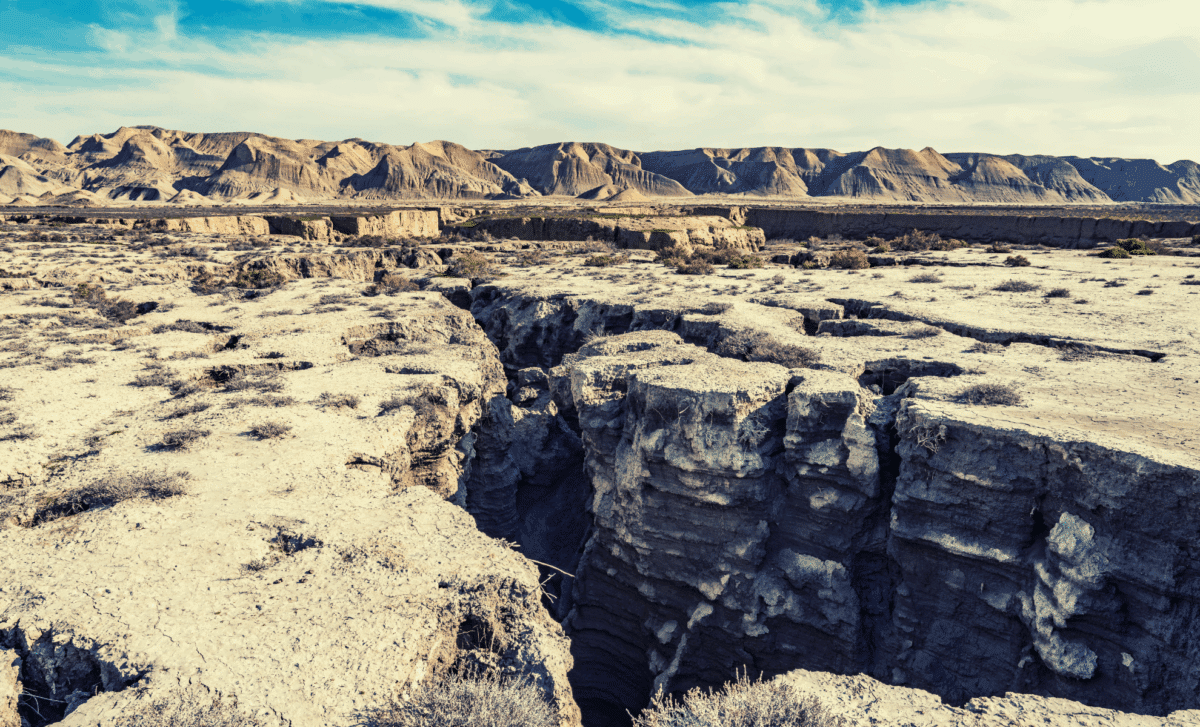
A recent investigation Science Advances (2025) has revealed an extraordinary geological phenomenon occurring beneath the Pacific Northwest. Researchers have, for the first time, identified a subduction zone fragmenting—a zone where one tectonic plate slides under another. This revelation from the 2021 Cascadia Seismic Imaging Experiment offers critical new insights into tectonic plate dynamics and the forces behind major seismic events.
Unraveling the Cascadia Subduction Zone Puzzle
Subduction zones play a fundamental role in shaping Earth's geology. They give rise to mountain formations, volcanic eruptions, and some of the deadliest earthquakes and tsunamis recorded. These zones involve an oceanic plate descending beneath a continental or another oceanic plate, driven by gravity’s pull much like an unstoppable train. However, this descent doesn’t always occur smoothly. Scientists have now observed signs of the Cascadia subduction zone beginning to fracture.
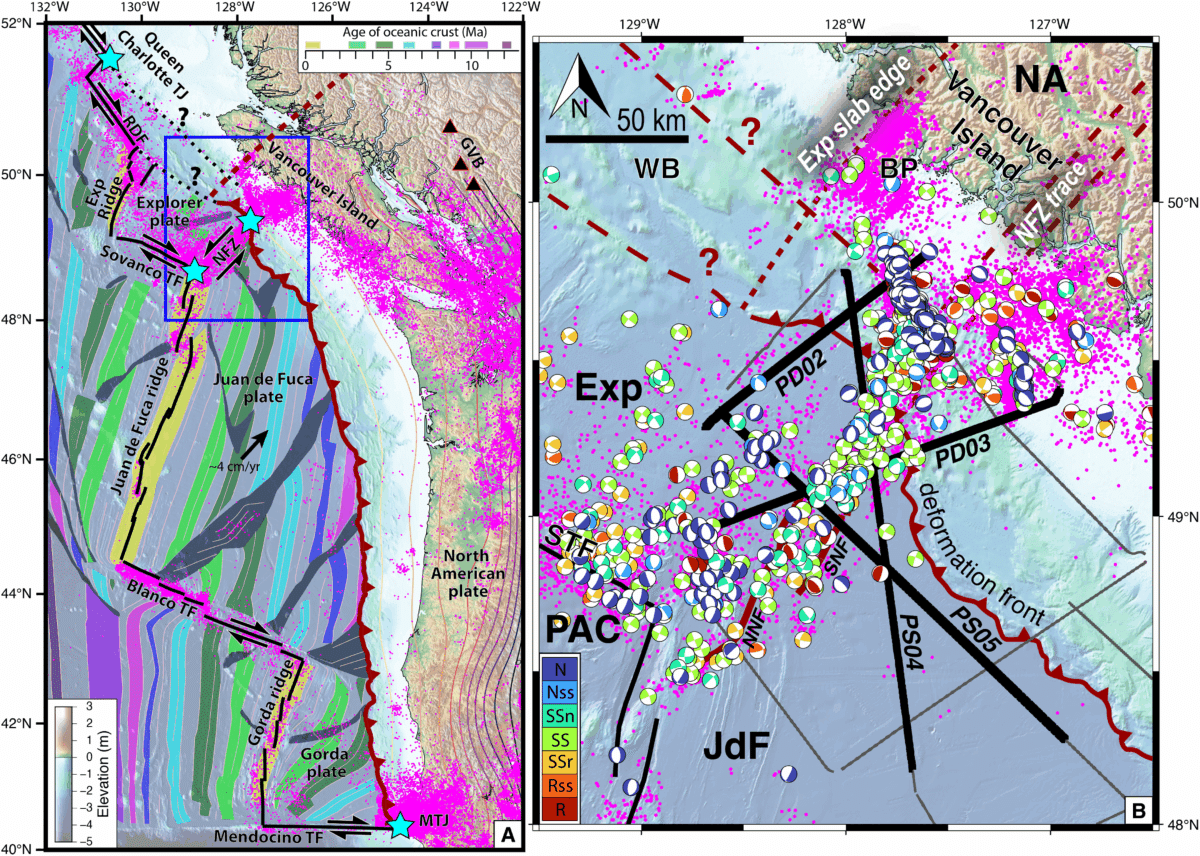
The team employed seismic reflection imaging—a technique akin to medical ultrasounds—to peer beneath the seafloor. Combining this with extensive earthquake data, they produced detailed images of the plate’s inner fractures. Instead of a single massive rupture, they found the tectonic plate is progressively tearing apart in segments, detaching block by block in a slow-motion separation.

Tracking Cascadia’s Stepwise Tectonic Breakdown
During the 2021 expedition, aboard the research ship Marcus G. Langseth, controlled sound waves were emitted into the ocean floor and recorded by an array of hydrophones spanning 9.3 miles. This method mapped concealed faults and fissures miles underneath the seabed, revealing multiple breaks slicing through the Juan de Fuca plate. Notably, one fracture showed a vertical drop of about 3.1 miles (5 kilometers) in the descending slab.
These findings overturn previous assumptions that subduction happens in a single catastrophic slip. Instead, the process appears to progress through a series of smaller, intermittent breaks, gradually reducing tectonic motion. While this disintegration eventually could halt subduction, it unfolds over millions of years—well beyond the scope of human observation.
The Silence of Earthquakes: Signs of Plate Fragmentation
The study also unveiled a cessation of earthquake activity in certain fractured sections of the plate. Normally, subduction zones produce frequent earthquakes as plates shift and grind against one another. Yet, in parts of the Juan de Fuca plate, seismic tremors have stopped. This quiet indicates those segments may have already separated significantly.
This breakage doesn’t occur uniformly. Some regions keep producing minor earthquakes, while others remain silent, suggesting variable rates of plate fragmentation. Detachment isolates rock masses, cutting off the stress release that causes earthquakes.
Rethinking Earthquake Dangers for the Pacific Northwest
Does this ongoing plate breakdown reduce the threat of major quakes in the Pacific Northwest? The answer is complex. Although the fracturing complicates the seismic outlook, it does not lower the overall risk of powerful earthquakes or tsunamis. Instead, it highlights how ruptures might propagate or halt, providing fresh perspectives on stress accumulation patterns.
Even though these geological shifts unfold over vast timescales, the hazard linked with the Cascadia Subduction Zone remains significant. These insights enrich seismic hazard models, enhancing our capability to forecast earthquake behavior and improve community preparedness.
- Categories:
- News




0 comments
Sign in to Comment