
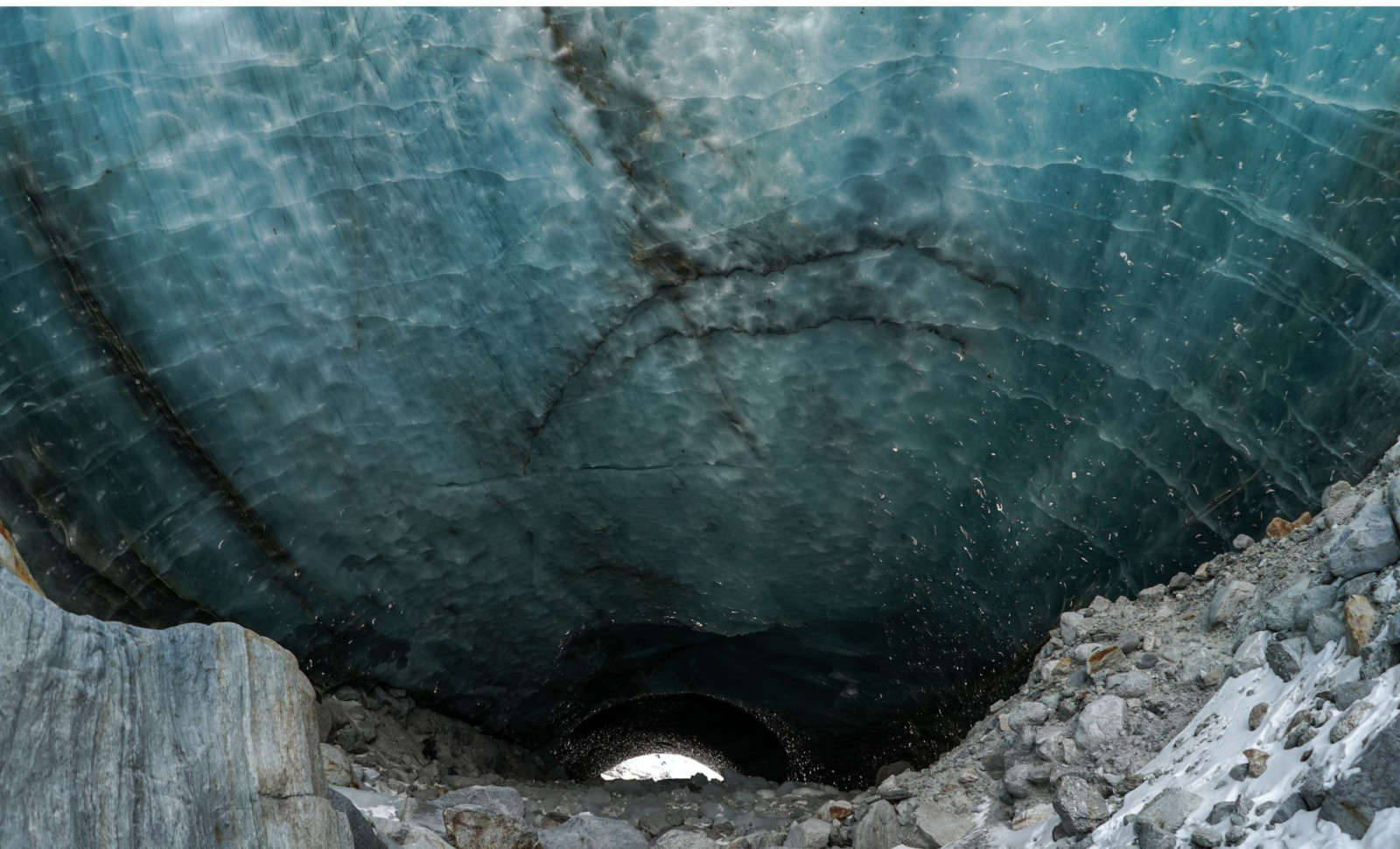
In northern Norway, a cave has uncovered an Arctic ecosystem preserved for 75,000 years, containing fossils of numerous species that inhabited an ice-free shoreline. The discoveries, featured in the Proceedings of the National Academy of Sciences, reveal a remarkably diverse collection of mammals, birds, and fish.
The researchers highlight this as the earliest documented instance of such an extensive Arctic community in Europe during that time frame, emphasizing how even species adapted to cold climates struggled to survive environmental upheavals. This finding parallels current concerns about rapid Arctic climate changes.
An Abundance of Fauna in the Cave
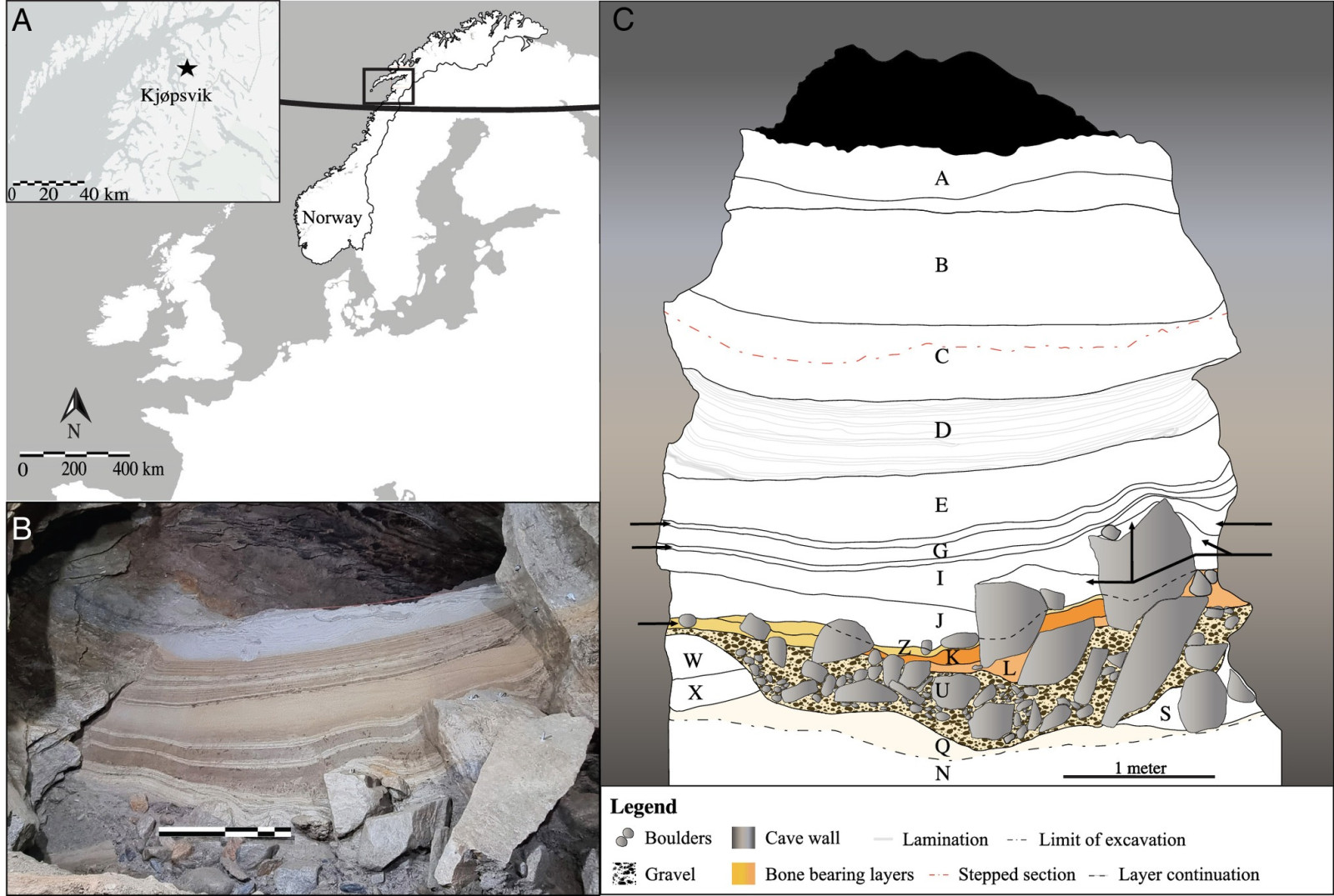
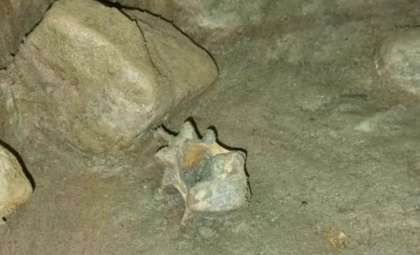
Within the Arne Qvamgrotta Cave on Norway’s northern shoreline, scientists uncovered remnants from 46 distinct species, spanning mammals, birds, and fish. The research published in PNAS illustrates a unique blend of marine and terrestrial life coexisting in one location.

The assortment includes creatures like polar bears, walruses, and bowhead whales, alongside seabirds such as the Atlantic puffin and common eider. Fish species like Atlantic cod, as well as land animals such as reindeer and rock ptarmigan, were also documented.
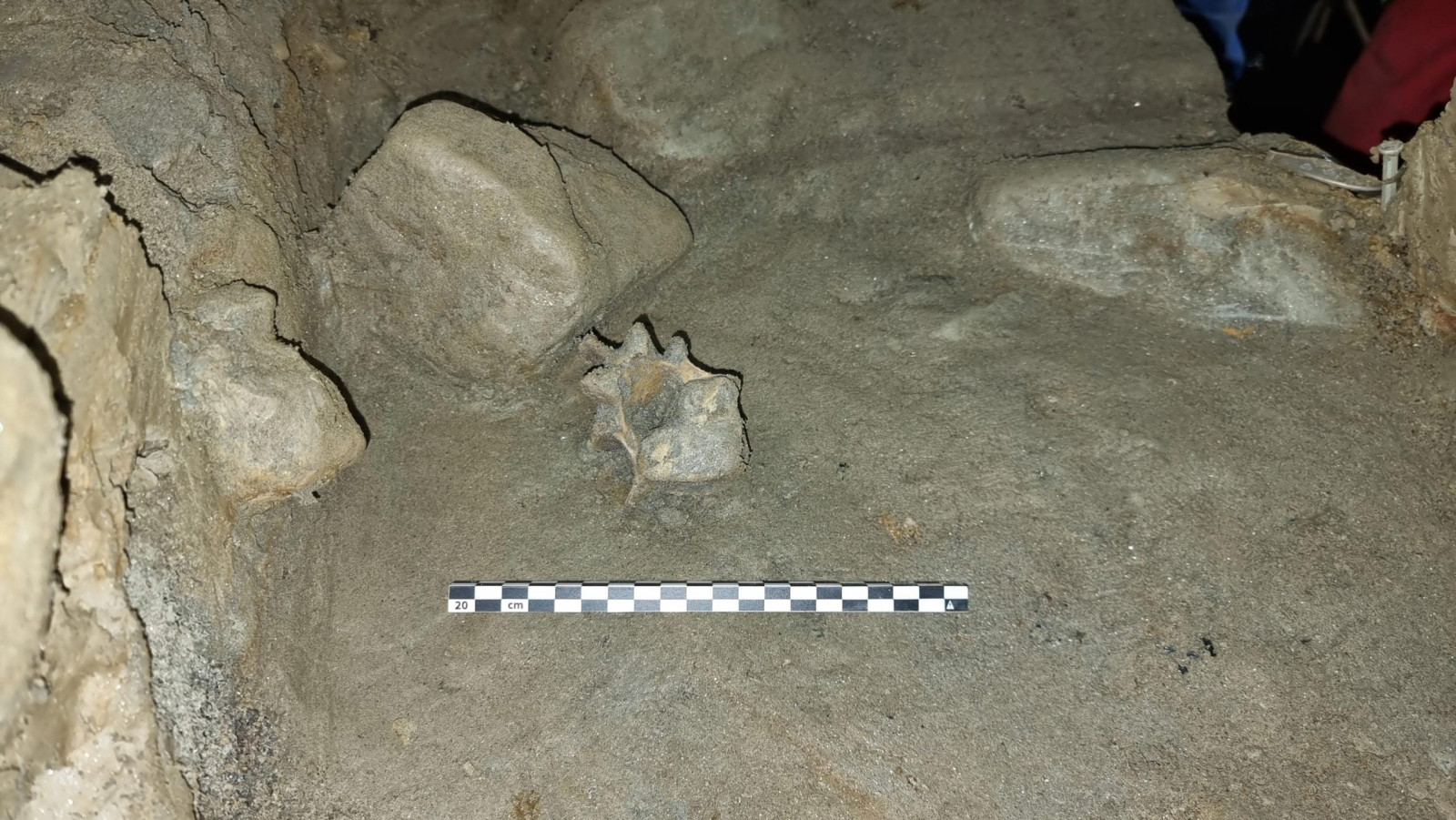
A notable find was the presence of collared lemmings, a species extinct in Europe today and previously unrecorded in Scandinavia.
Indications of a Warmer Arctic Environment
The cave fauna offers clues that the region’s landscape differed greatly at that time. According to Professor Sanne Boessenkool of the University of Oslo, much of the coastal area was likely free of ice.
“We have very little evidence of what Arctic life was like in this period because of the lack of preserved remains over 10,000 years old,” shed said. “The cave has now revealed a diverse mix of animals in a coastal ecosystem representing both the marine and the terrestrial environment,”
The freshwater fish fossils point to the existence of rivers and lakes, while marine mammal remains suggest seasonal sea ice nearby. Species such as the harbour porpoise, which avoids thick ice, further help narrow down paleoenvironmental conditions.
“These discoveries provide a rare snapshot of a vanished Arctic world,” stated Dr Sam Walker, who led the study at Bournemouth University and the University of Oslo. “They also underscore how vulnerable cold-adapted species can be under changing climate conditions, which can help us to understand their resilience and extinction risk in the present.”
Climate Changes and Ecosystem Decline
The fate of most species uncovered in the cave was bleak. Genetic analyses revealed that many lineages vanished as colder climates returned and glaciers advanced.
Researchers explain these animals colonized the area after prior ice retreats; however, they couldn’t relocate or adapt swiftly enough during subsequent climate reversals, leading to complete population losses.
Dr Walker noted that this demonstrates even cold-hardy species face difficulties with rapid environmental shifts. Furthermore, current Arctic habitats are far more fragmented, impeding species’ ability to migrate.
“ This has a direct link to the challenges they are facing in the Arctic today as the climate warms at a rapid pace,” he added. “The habitats these animals in the region live in today are much more fractured than 75,000 years ago, so it is even harder for animal populations to move and adapt.”
Professor Boessenkool emphasized that the ancient environmental change involved cooling rather than warming, but the message remains relevant.
“ If they struggled to cope with colder periods in the past, it will be even harder for these species to adapt to a warming climate.”
- Categories:
- Science


0 comments
Sign in to Comment