
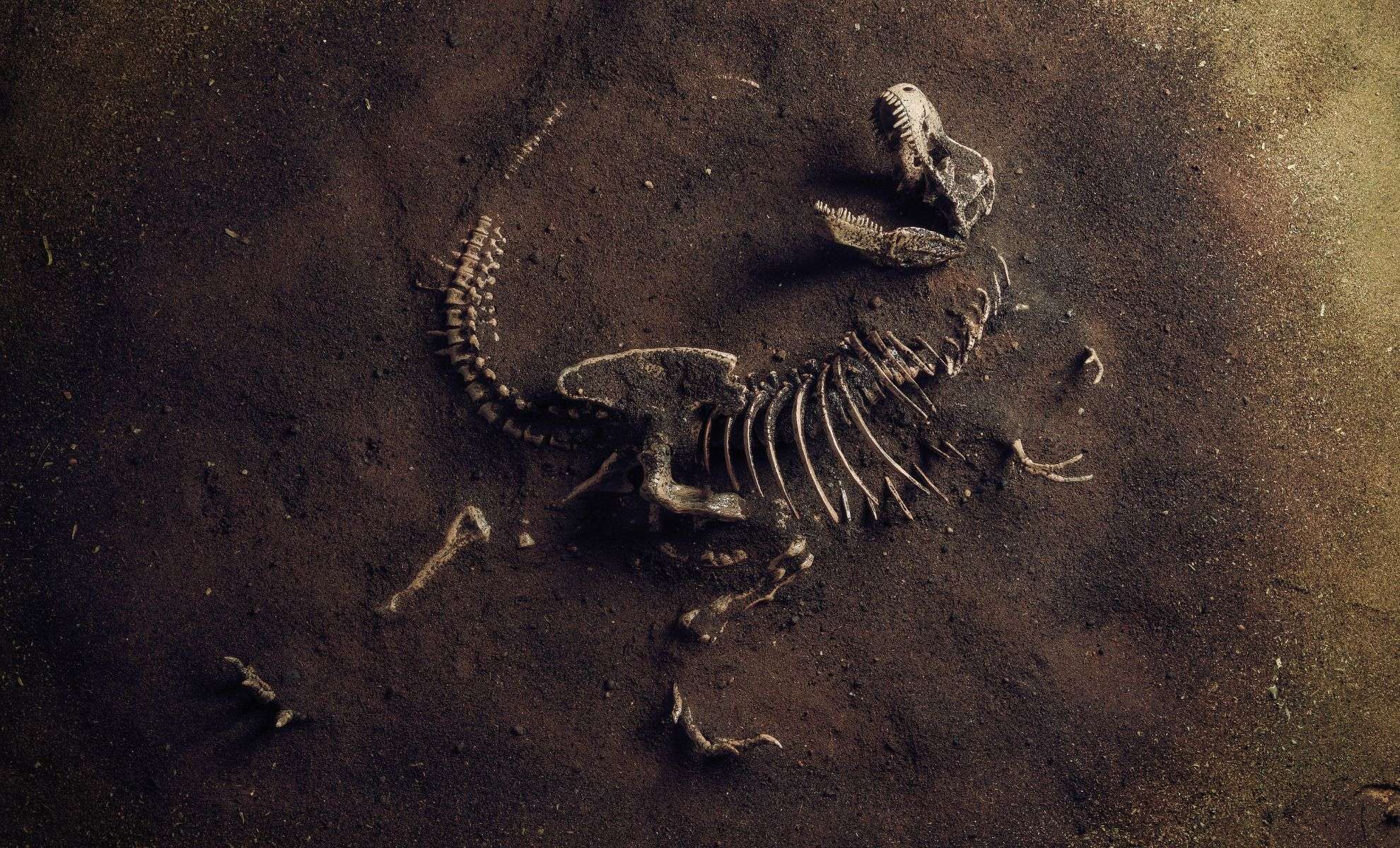
The market for dinosaur fossils is rapidly expanding, but this growth is impacting scientific research. A recent paper published on April 10 in Palaeontologia Electronica exposes the rising phenomenon of Tyrannosaurus rex bones increasingly being acquired by private collectors, restricting access for scientists eager to study these invaluable remains.
Scientific Access to T. rex Fossils Is Declining
In his latest research, Tyrannosaurus rex: An endangered species, paleontologist Thomas Carr from Carthage College reveals an unsettling trend: 71 key T. rex specimens are now privately owned, whereas only 61 reside in public museum collections or academic institutions.
By analyzing museum databases, auction listings, news sources, and firsthand accounts, Carr concentrated on fossils critical for research — including skull material, complete skeletons, and diagnostic bones. His findings underscore that most new T. rex fossils end up in private hands rather than science-focused repositories.

Carr’s study also highlights that merely 11% of these fossils are eventually entrusted to public institutions.
Juvenile T. rex Specimens at Risk, Jeopardizing Scientific Insight
The issue extends beyond mere availability—it affects the integrity of the fossil record. Juvenile and sub-adult T. rex specimens, which are critical for unraveling how these creatures matured, are disproportionately lost to private collectors. Since these young fossils are scarce, their disappearance obscures vital developmental information.
“The market-driven loss of juvenile fossils severely limits our understanding of T. rex biology,” Carr explained. “Because fossils capturing the early life stages are already rare, their absence inflicts a significant scientific setback.”
The fragmentation of fossil data caused by private ownership hampers efforts to trace the physical and behavioral evolution of T. rex across its lifespan.
The Surge of High-End Fossil Auctions
In 2024, a Stegosaurus skeleton commanded an unprecedented $44.6 million at auction, setting a new record as the priciest dinosaur fossil ever sold. Unusually, it is now on display at the American Museum of Natural History, which benefits public engagement through this arrangement.
T. rex fossils have also gained notoriety. The famed specimen “Stan,” auctioned for $31.8 million in 2020, vanished from scientific circulation before rumors linked it to Dwayne “The Rock” Johnson.
Experts Voice Concern Over Fossil Ownership Divide
University of Maryland paleontologist Thomas Holtz Jr. described the trend as “disheartening,” especially given that many juvenile fossils, crucial for growth studies, remain inaccessible.
“My worry extends beyond the lack of access to valuable specimens,” Holtz said. “The overrepresentation of young T. rex fossils in private collections is particularly troubling.”
However, some experts like David Hone, zoologist at Queen Mary University of London, believe the impact is somewhat contained.
“Although public museums could benefit from more specimens, there are still numerous fossils available for study,” Hone noted, while drawing attention to the pressing issue of illegal fossil trading.
Nonetheless, there is widespread consensus that the shift towards more fossils being privately held is a concerning development for paleontological research.
- Categories:
- News







0 comments
Sign in to Comment