
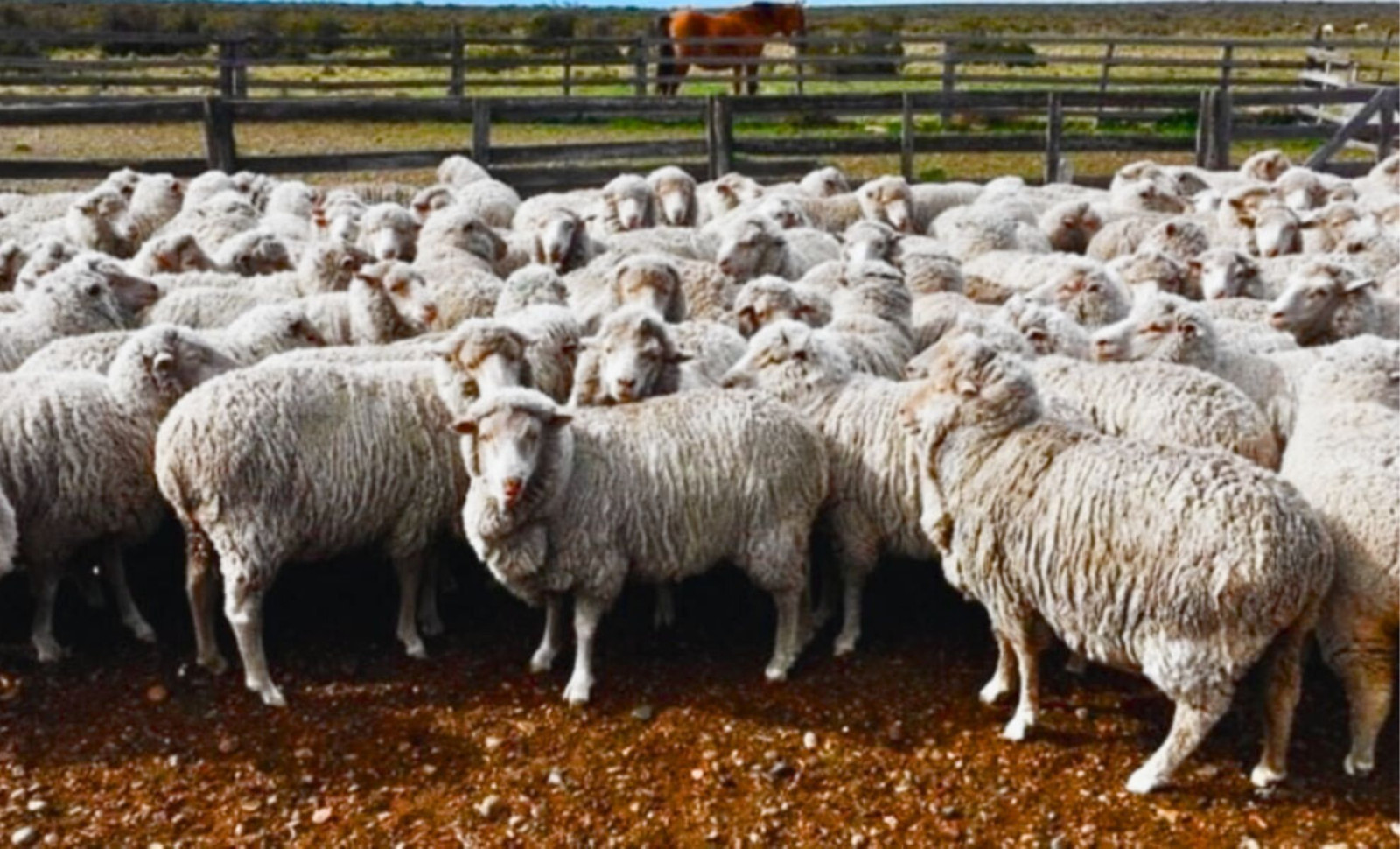
In New South Wales, an innovative shift is taking place in regions known for sheep farming. Farmers are applying a resource once seen as a costly burden—coarse wool that remains unsold after shearing—across fields struggling to sustain crops for years. This wool is not the premium-grade merino export but rather the dense, rough fibers left unwanted in shearing sheds.
Historically, two issues have persisted side by side. Soil experts have observed ongoing degradation of farmland, where essential organic matter has been depleted and water barely penetrates the earth. Meanwhile, sheep farmers have accumulated unsellable wool, incurring expenses to store or discard it since its market value failed to cover handling costs. The link between these challenges is only now coming into focus.
At the heart of the matter lies a contradiction: agricultural methods have long relied on synthetic amendments to improve soil health and retain moisture, often at substantial environmental and energy costs. Yet the wool produced by Australia's 70 million sheep naturally contains nitrogen, sulfur, carbon, and a moisture-regulating structure perfected by evolution. The pressing question, explored through statewide field trials, is whether this once-dismissed byproduct can outperform technological alternatives where they fall short.

Visualizing a 35% Reduction in Soil Evaporation in Practice
Field studies conducted between 2022 and 2025 in New South Wales reveal significant shifts in soil dynamics after layers of wool several centimeters thick were applied. According to detailed coverage by a Spanish tech publication, evaporation rates dropped by as much as 35% compared to untreated areas. Moreover, soil moisture persisted nearly twice as long as it did under standard organic mulches, based on multiple drying cycle data.
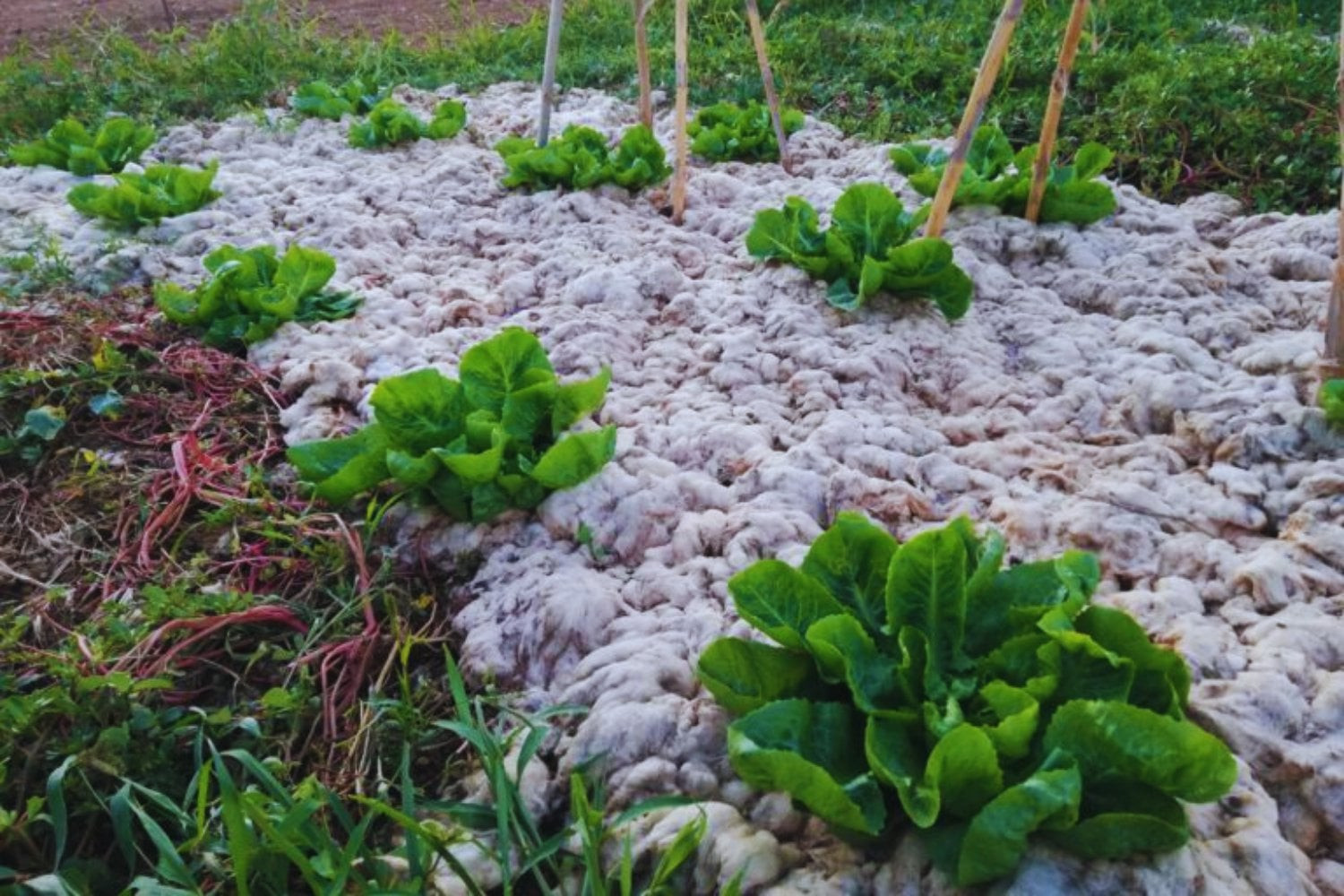
The ecological response was also encouraging. Sampling showed a 30 to 50 percent rise in microbial populations within months. This increase is crucial because microbes transform lifeless dirt into fertile soil. Microorganisms decompose organic substrates, recycle vital nutrients, and create soil architecture that improves root growth and water infiltration. Their resurgence signals a reversal of land deterioration.
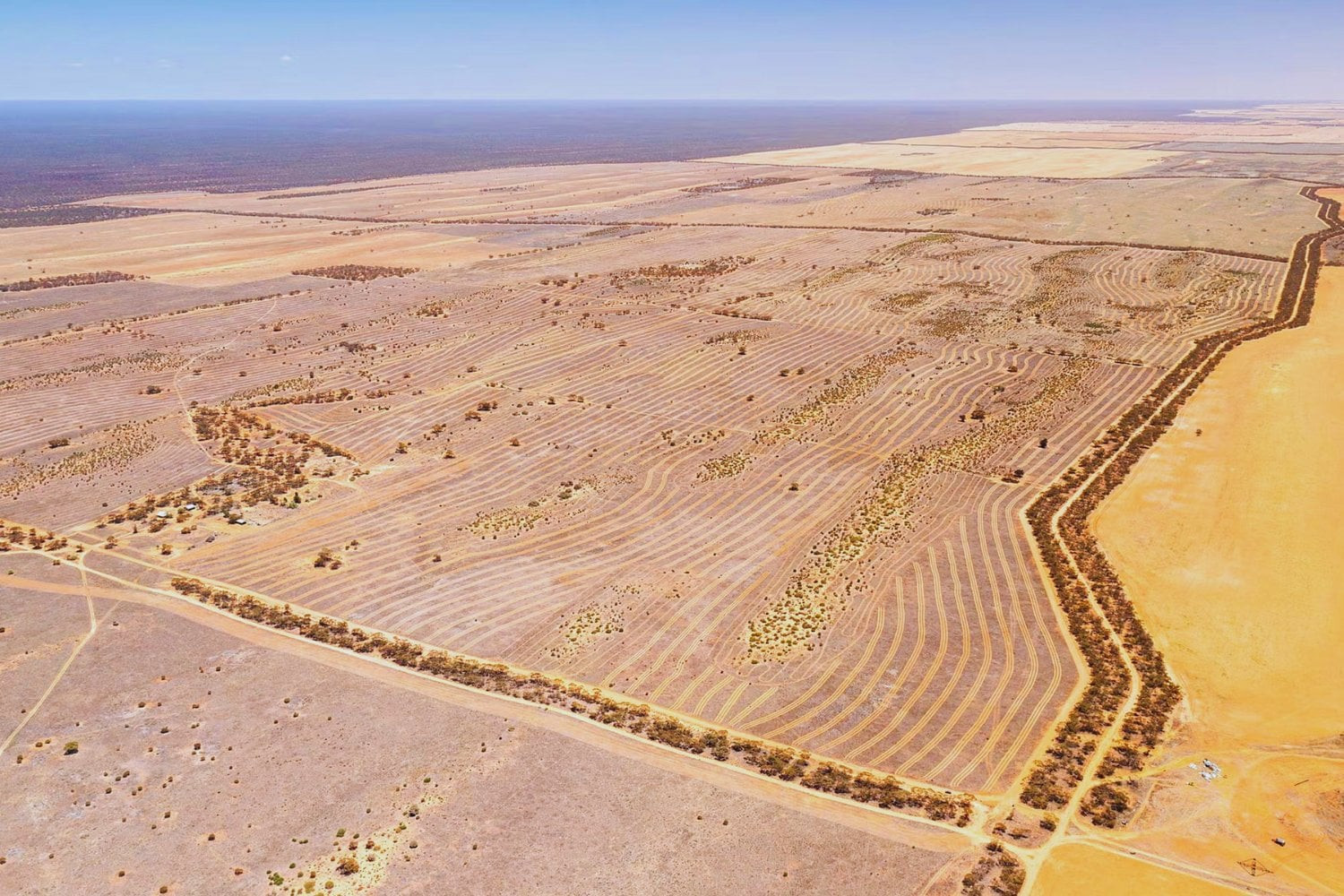
Scientists involved in these trials reported that, after a single dry season in Queensland, abandoned farmlands showed clear improvements. The soil’s resistance to wind erosion increased, water retention improved, and texture redeveloped. Project documents cautiously state that soil shifted from dust back to soil — a literal, measurable change in particle cohesion and hydrological properties.
Keratin’s Role, Hygroscopic Traits, and Soil Fertility Mechanics
A February 2025 review published in the journal Agronomy by Italy’s National Research Council researchers explains the science behind these effects. Wool fibers are composed of roughly 16–17% nitrogen, 3–4% sulfur, and 50% carbon. These elements are locked within keratin, a durable protein that resists rapid breakdown. This results in a slow-release nutrient system unlike synthetic fertilizers, which can quickly leach into groundwater.
Wool’s molecular structure also lends hygroscopic qualities, allowing fibers to hold 1.5 to 2 times their weight in water, keeping moisture near plant roots. When incorporated into soil, these fibers create tiny air spaces that reduce compaction, a common problem in degraded soils. Combining water holding with aeration in a single amendment is a rare advantage.
Raw wool can cause clumping and impede water flow, prompting the development of processed forms. Commercially, wool granules—compressed and ground fibers—are mixed into soil, extending moisture retention by 25–40%. Additionally, wool composites blend fibers with organic matter and microbes to speed decomposition and better time nutrient release for plant uptake.
Transforming Wool Waste into Economic and Environmental Gains
The quantity of available wool is significant. Figures from the 2024–2025 season show Australia's wool output at 279 million kilograms, down 12% from the prior year. Approximately 200,000 tons of this wool becomes waste annually, which refers to economic viability rather than physical quality. The fiber is unchanged from that which fetched high prices a decade ago, yet falling global demand means revenues no longer cover shearing expenses.
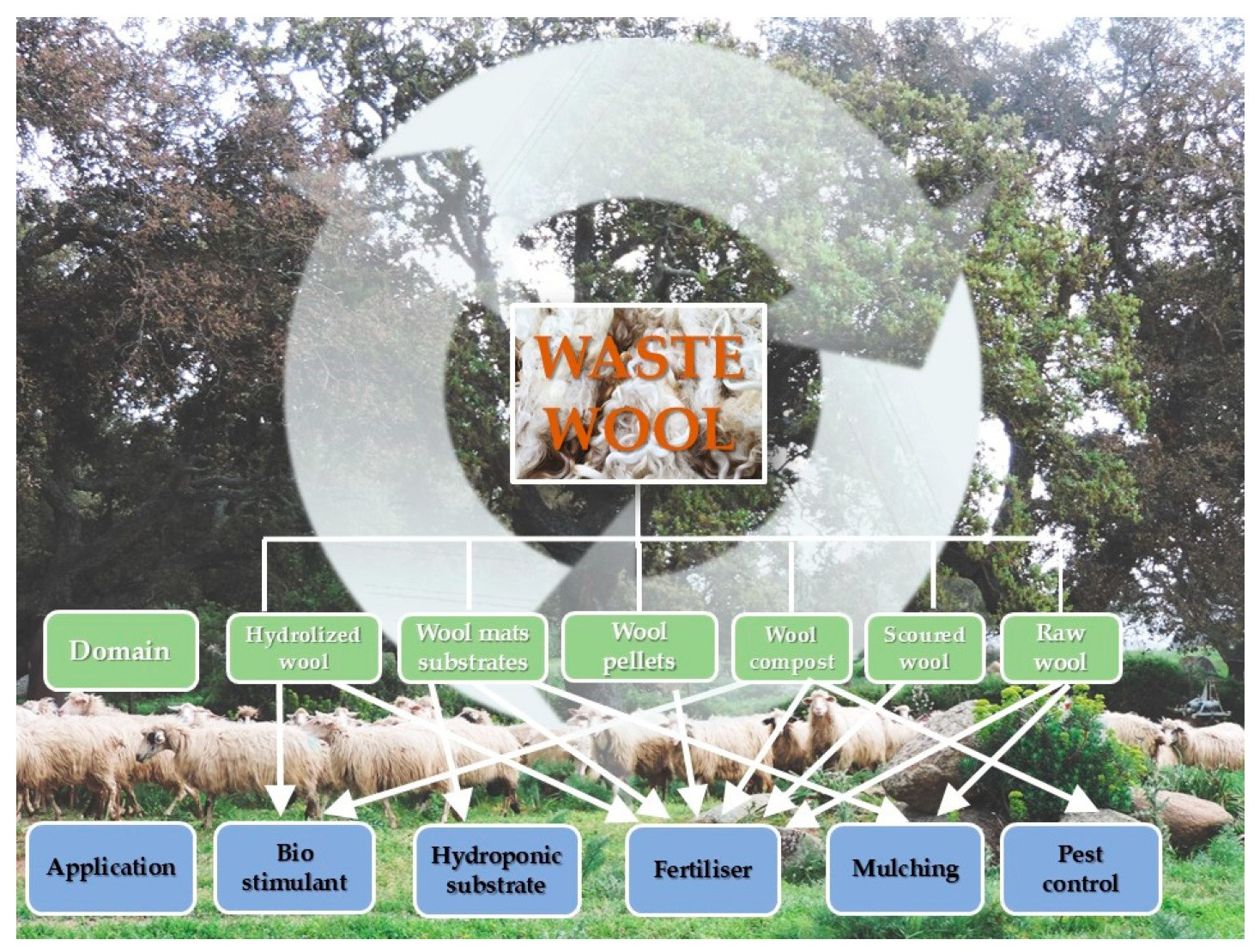
In Victoria, over 40 startups focused on wool recycling commenced operations throughout 2024, generating roughly 2,500 rural jobs. An industry overview on Zootechnical.com highlights that one ton of surplus wool can yield about 900 kilograms of pellets, valued at nearly triple raw wool prices. This shift turns a disposal expense into a profitable opportunity.
European researchers are also exploring wool as a soil amendment. Since much European wool derives from dairy and meat sheep breeds, it is coarse and unsuitable for textiles. Trials in Poland with mountain sheep wool have shown enhanced root development, increased plant height, and greater winter wheat yields. Similar research is underway in Germany, Austria, and Italy, testing wool mulches and soil conditioners under continental conditions.
- Categories:
- News











0 comments
Sign in to Comment