
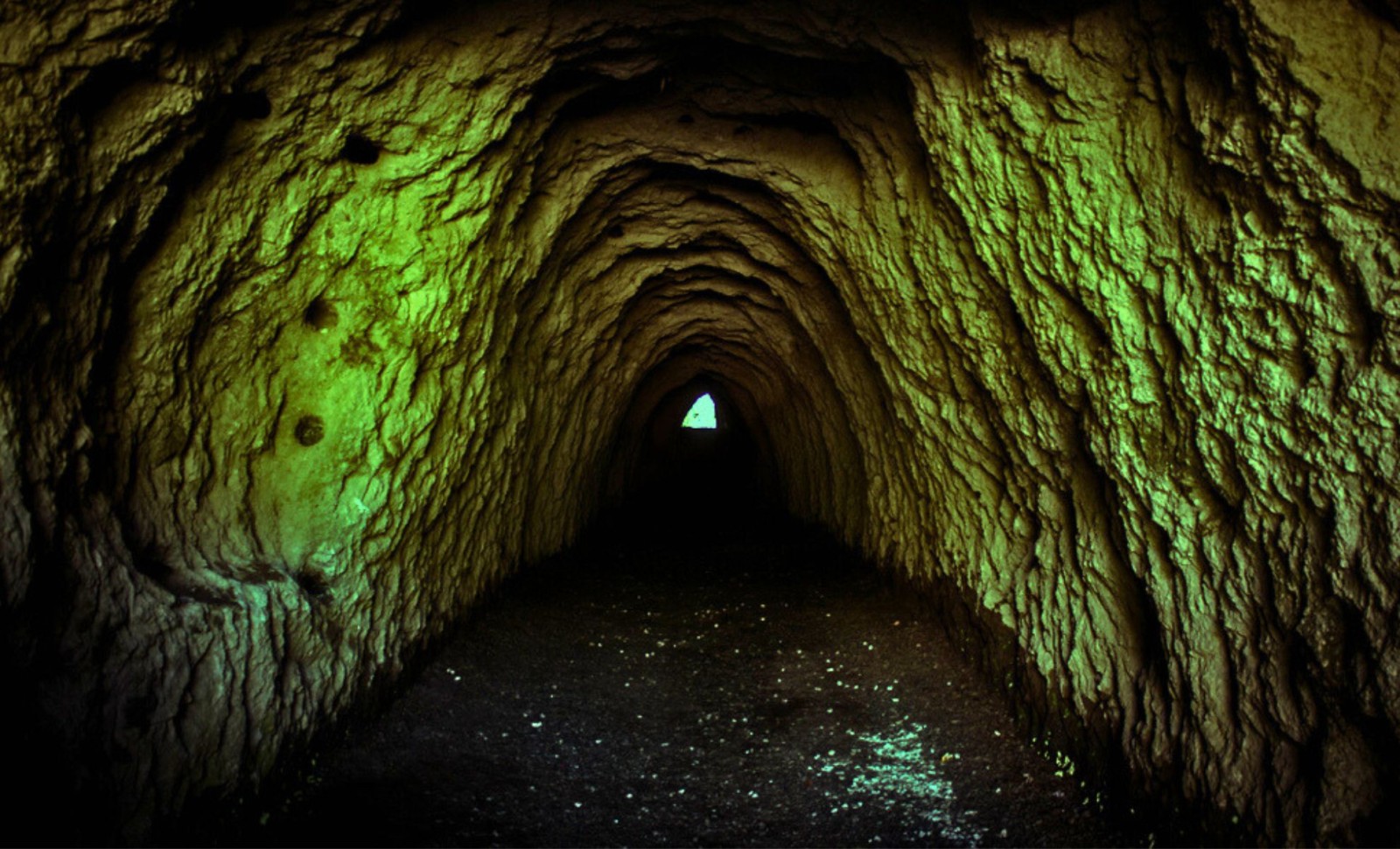
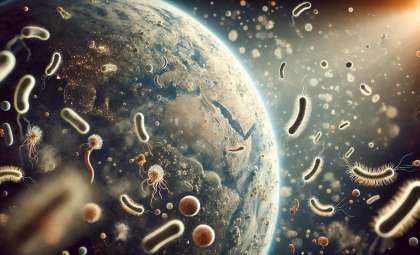
Deep within Alaska’s frozen terrain, a hidden realm is awakening. Scientists working in a tunnel bored into ancient permafrost near Fairbanks have successfully brought back to life microorganisms that were dormant for nearly 40,000 years. Once inactive, these microbes have now revived, multiplying and emitting greenhouse gases that might intensify global warming.
For half a year, microbial activity remained minimal, but then a notable shift occurred. Suddenly, microbial colonies expanded into visible biofilms and began releasing carbon dioxide and methane—both significant greenhouse gases. This sudden surge surprised researchers and suggests that similar biological processes may already be underway beneath Arctic landscapes.
Published in the Journal of Geophysical Research: Biogeosciences, these results arrive as extensive regions of permafrost, which cover roughly a quarter of the Northern Hemisphere, face rapid thawing driven by human-induced climate change. As permafrost melts, the ancient organic carbon it has preserved becomes vulnerable to microbial breakdown, potentially releasing enormous quantities of greenhouse gases.

Awakening Ancient Microbes Raises Modern Challenges
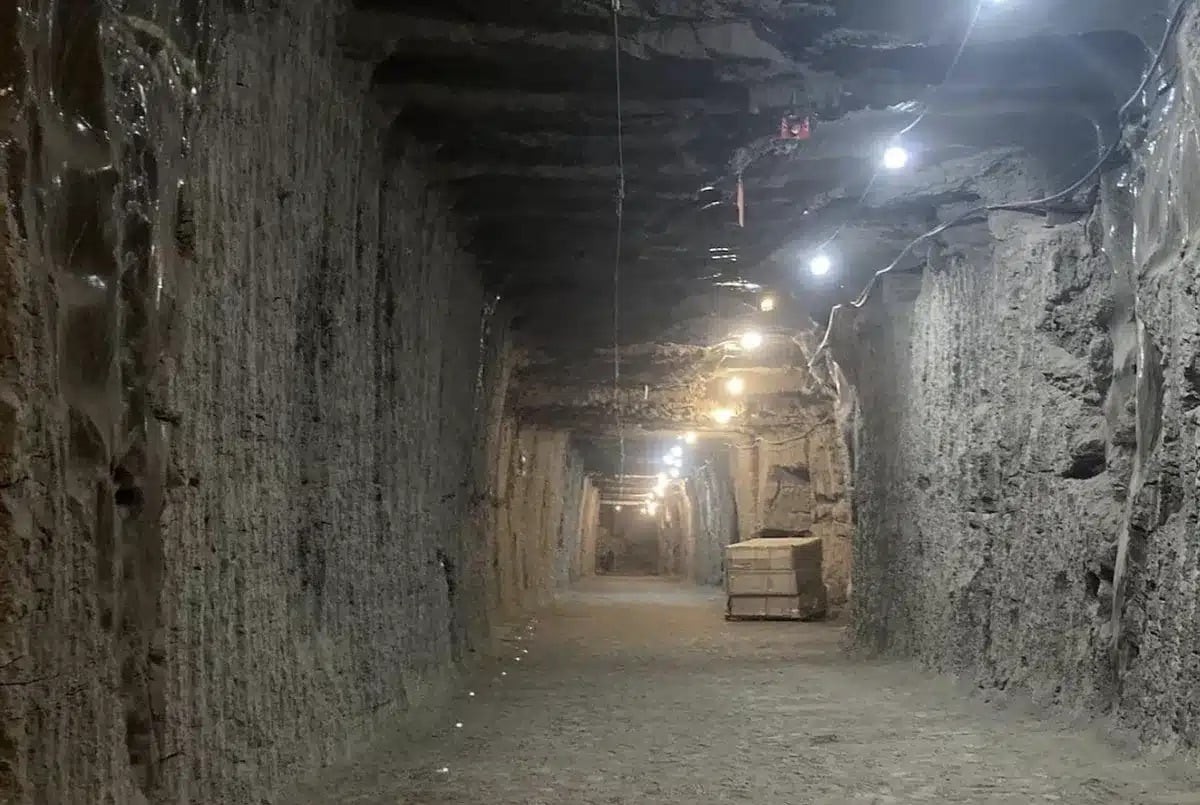
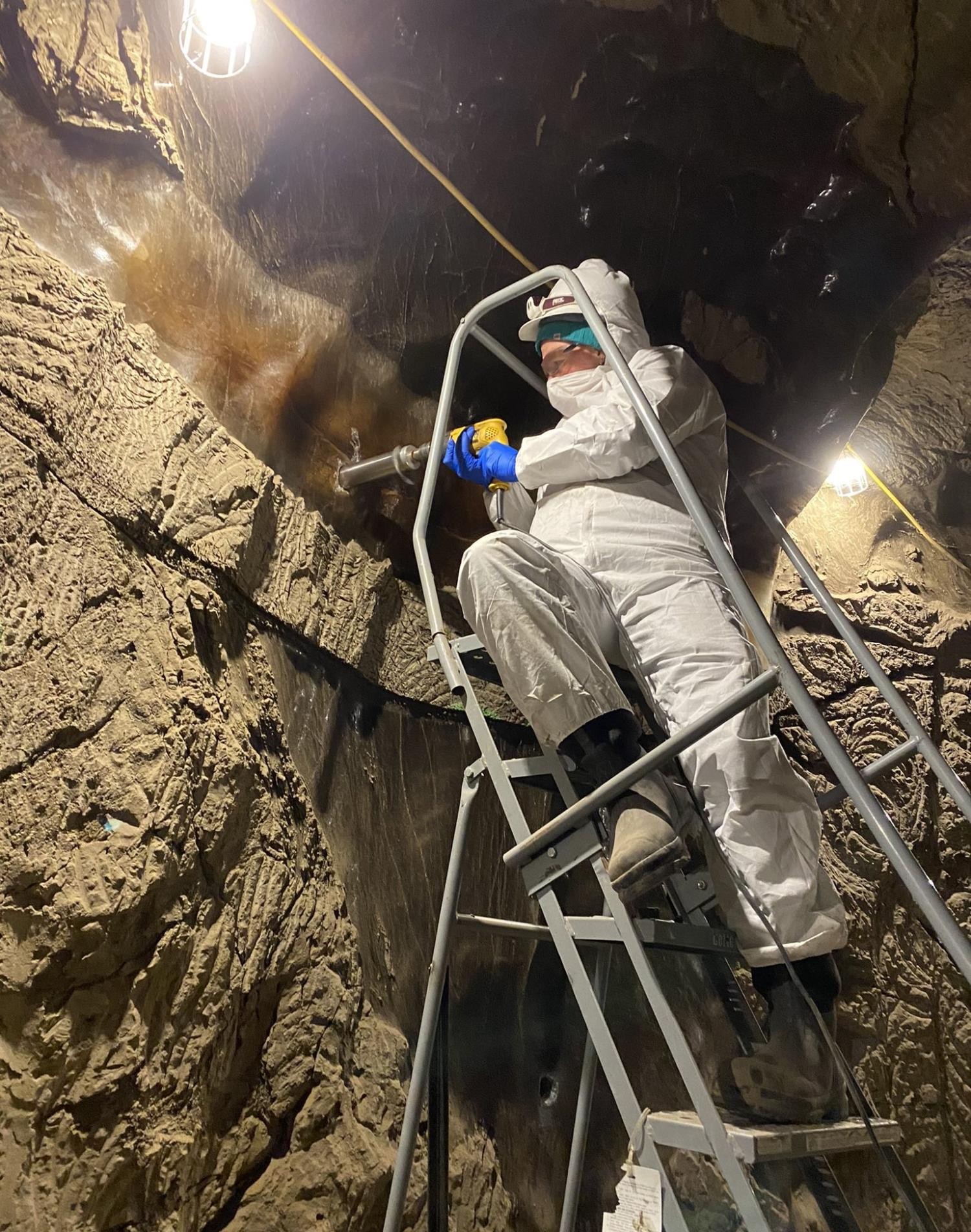
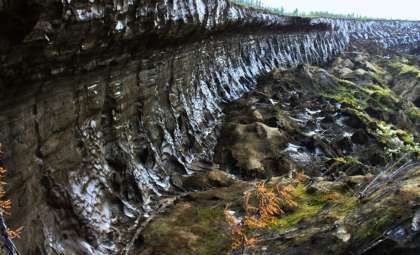
Scientists from the University of Colorado Boulder retrieved soil samples from the Permafrost Research Tunnel near Fox, Alaska, managed by the U.S. Army Corps of Engineers. Certain samples originated from depths exceeding 20 meters and date back to the late Pleistocene era, approximately 37,900 to 42,400 years ago.
The samples were thawed under lab conditions ranging from 4°C to 12°C, simulating Arctic summer temperatures. Over time, the team noticed a steady biological response. To monitor microbial activity, they used water containing deuterium, a heavier isotope of hydrogen that incorporates into cell membranes when metabolism restarts.
Initial metabolic activity was extremely slow. According to the report in Discover Magazine, only about one cell in every 100,000 reproduced in early stages. However, after six months, the microbial populations shifted dramatically. Previously undetectable colonies flourished, and biofilms—indicative of metabolically active bacterial communities—formed visibly on laboratory surfaces.
These results confirm that ancient microbes trapped in permafrost can resume life under temperature conditions comparable to those currently present in the Arctic.
Stored Carbon at Risk of Release
The environmental implications are vast. Once these microbes revive, they consume organic material preserved in frozen soils and emit greenhouse gases such as carbon dioxide and methane.
NASA’s Earth Observatory estimates that the permafrost carbon reservoir contains roughly twice the carbon currently found in Earth’s atmosphere, amplifying the risk of accelerating climate change if this carbon is released.
Lead author Tristan Caro, formerly a doctoral researcher at CU Boulder, explained to Discover that microbial activation correlates less with brief temperature spikes and more with the length of the warm season: “Rather than just a hot day during the Alaskan summer, what really influences activity is how summer temperatures extend well into autumn and spring.”
In other words, prolonged mild warming in the Arctic may unlock extensive biological processes releasing carbon.
Delayed Yet Dramatic Response
One of the most alarming observations is the lag between thawing and microbial resurgence. Activity hardly registered for months before suddenly escalating within weeks.
This delayed response suggests that warming may not immediately lead to increased carbon emissions, yet can trigger prolonged emission cascades later on. This disconnect could cause current climate models to underestimate the speed and severity of feedback caused by thawing permafrost.
Co-author and CU Boulder professor Sebastian Kopf told Discover that understanding the permafrost-climate linkage remains a major uncertainty in forecasting climate effects.
The study also highlighted that microbial communities vary by region in their composition and nutrient access, affecting their responses. Still, all inhabit a common feedback cycle driven by ongoing seasonal warming.
Though this research focused on a limited region of Alaska, similar microbial ecosystems may exist under frozen soils across Siberia, Canada, Greenland, and parts of South America. Much of this permafrost biosphere remains uncharted and poorly observed.
- Categories:
- Science





0 comments
Sign in to Comment