

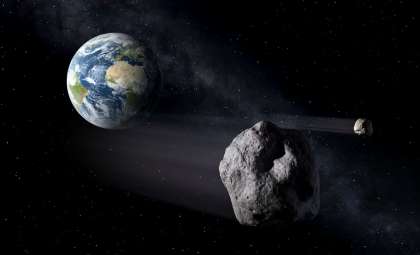
New research highlights the significance of small asteroids, often underestimated, as potential sources of essential materials for upcoming space missions. These celestial bodies could supply crucial resources for expeditions to the Moon, Mars, and beyond, although experts caution that advanced extraction technologies are still years away.
Scientists at the Institute of Space Sciences (ICE-CSIC) analyzed delicate meteorites collected by NASA in Antarctica and other documented falls to uncover the chemical composition of these asteroids. Their results show that certain asteroids rich in carbon compounds are promising candidates for both scientific exploration and future space mining ventures.
Decoding Carbonaceous Chondrites
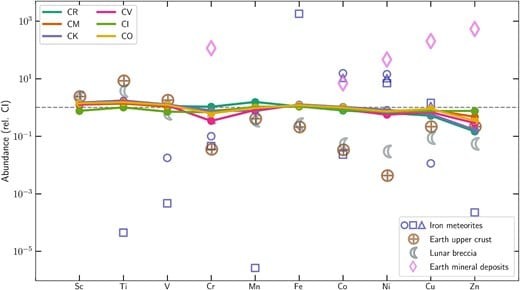
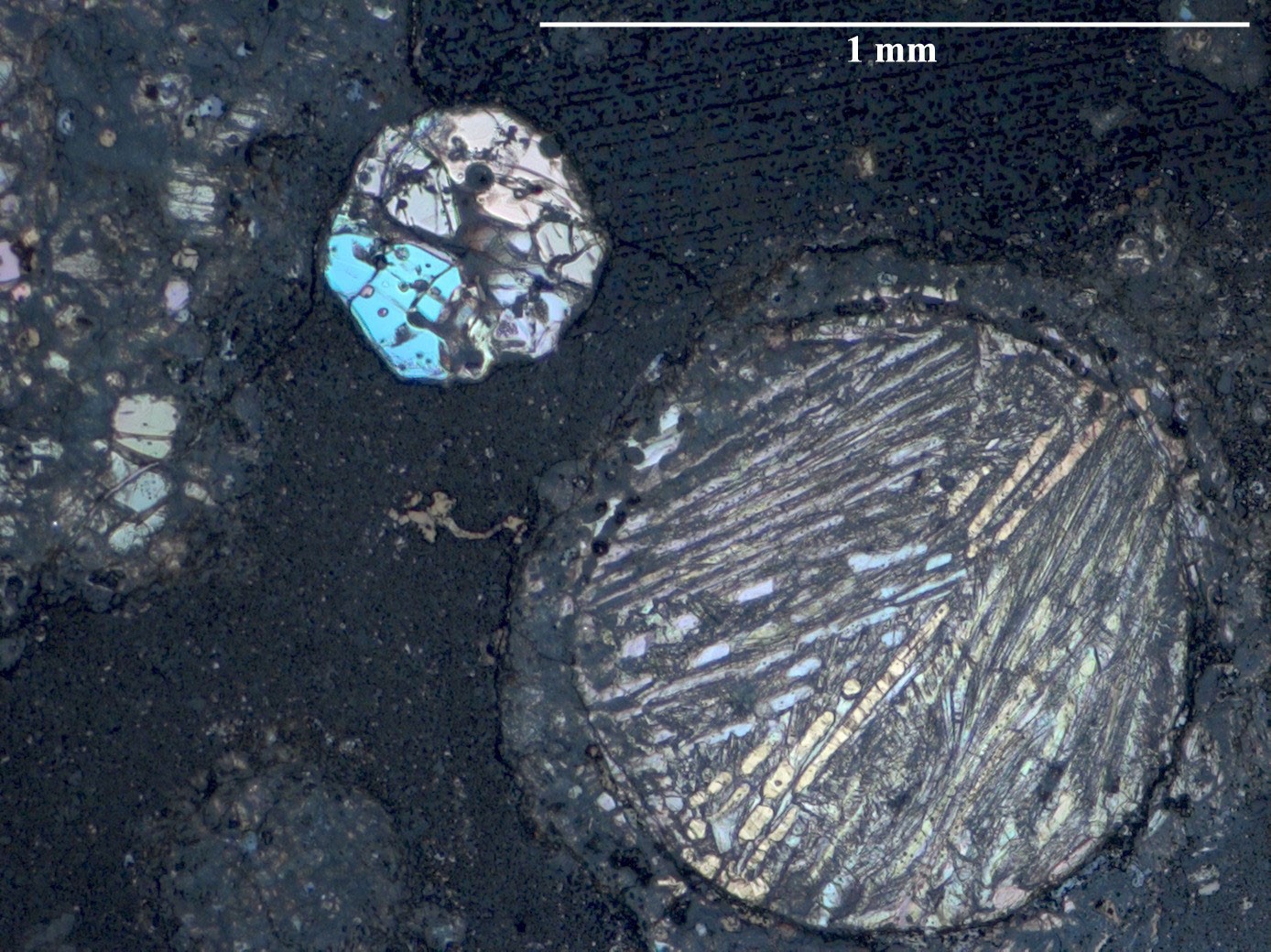
Central to the study, featured in Monthly Notices of the Royal Astronomical Society, are carbonaceous chondrites—meteorites derived from small asteroid bodies. These meteorites are notable for containing carbon and organic molecules, offering insights into the early solar system and possibly the origin of life on Earth. The research also indicates that these asteroids may possess valuable metals that could be harnessed for space mission needs.

Because these meteorites are extremely fragile and often disintegrate upon entering Earth’s atmosphere, many go unrecovered. Most of the specimens retrieved come from environments like Antarctica or the Sahara Desert, where dry climates help preserve them. Scientists utilize mass spectrometry to analyze the chemical composition of these rare samples in intricate detail.
Challenges in Space Resource Extraction
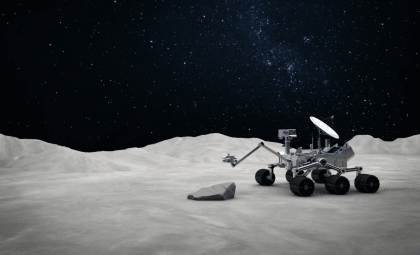
While mining asteroids holds exciting potential, the practical aspects remain challenging. Most small asteroids are cloaked with a surface layer called regolith—a mixture of fragmented debris—which complicates material extraction. The study notes that although gathering limited quantities from these surfaces might be achievable, developing large-scale mining operations will necessitate breakthroughs in technology.
“The scientific interest in each of these meteorites is that they sample small, undifferentiated asteroids, and provide valuable information on the chemical composition and evolutionary history of the bodies from which they originate,” explained Josep M. Trigo-Rodríguez, the lead author of the study and an astrophysicist at ICE-CSIC.
Advancements in specialized tools and techniques capable of functioning in space’s vacuum environment are essential to enable viable space mining.
The Future of Asteroid Mining
Despite the obstacles, asteroid mining promises remarkable benefits. Successfully harnessing these materials could support sustainable resource acquisition for prolonged space exploration. For example, water-rich asteroids might supply water for fuel production or life support on lunar and Martian missions.
“This could also provide science with greater knowledge about certain bodies that could one day threaten our very existence. In the long term, we could even mine and shrink potentially hazardous asteroids so that they cease to be dangerous,” Trigo-Rodríguez remarked.
Grèbol Tomàs, a predoctoral researcher at ICE-CSIC, highlights that while asteroid mining might seem futuristic now, earlier sample-return missions were similarly viewed as far fetched.
“It sounds like science fiction, but it also seemed like science fiction when the first sample return missions were being planned 30 years ago.”
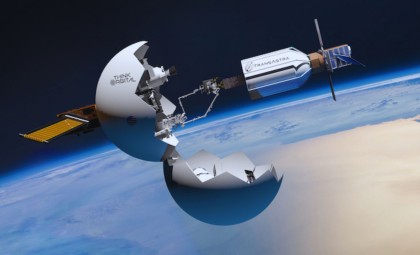
As private companies and government space agencies advance mining technologies suited for the low-gravity conditions of space, the dream of extracting materials from asteroids edges closer to reality, albeit practical large-scale operations may still require decades to develop.
- Categories:
- Space




0 comments
Sign in to Comment