
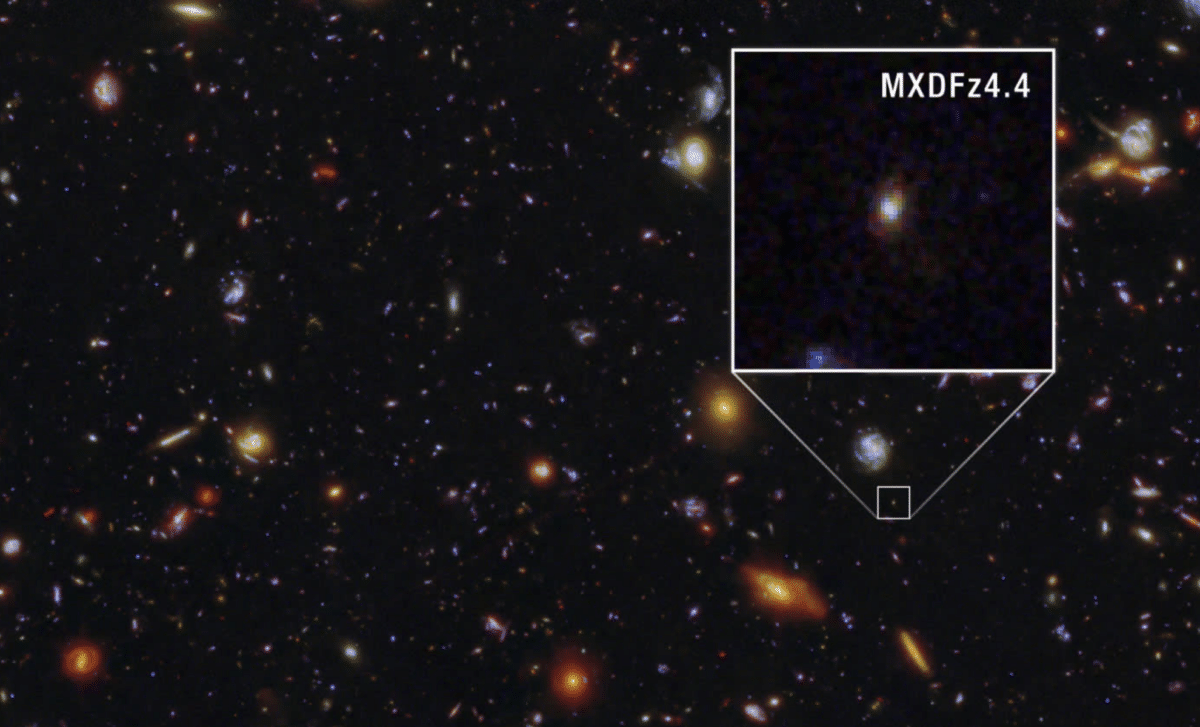
A diminutive galaxy, just one-hundredth the size of the Milky Way, has provided astronomers with an extraordinary perspective on a pivotal era in the Universe’s formative years. Using data from the Hubble Space Telescope, scientists detected ultraviolet light escaping from the distant galaxy MXDFz4.4, shedding new light on how early galaxies contributed to reshaping the cosmos only 1.4 billion years post-Big Bang. These results, reported in the Astrophysical Journal, offer an exceptional window into the epoch known as cosmic reionization.
Small Galaxy, Major Impact on the Universe’s Evolution
For many years, scientists have sought to unravel how the Universe evolved from a murky, neutral hydrogen-filled state into the clear, star-filled expanse observed today. This transformation, coined the Epoch of Reionization, occurred within the first billion years after the Big Bang, as the earliest stars and galaxies emitted high-energy ultraviolet light. Directly observing ionizing radiation escaping these remote galaxies has long posed a formidable challenge.
The galaxy at the heart of this study, MXDFz4.4, existed around 1.4 billion years following the Big Bang, near the tail end of the reionization period. Though it is approximately 100 times smaller than the Milky Way, it generates stars at a pace nearly ten times faster. This vigorous starburst confines numerous massive young stars within an extremely compact area, creating ideal conditions for ultraviolet photons to break free into the intergalactic medium. These escaping photons are believed to have progressively ionized the neutral hydrogen that dominated early space. Such observations present a rare chance to study the physical mechanisms likely widespread among early galaxies but previously undetectable.

Hubble Sees What Was Previously Considered Unobservable
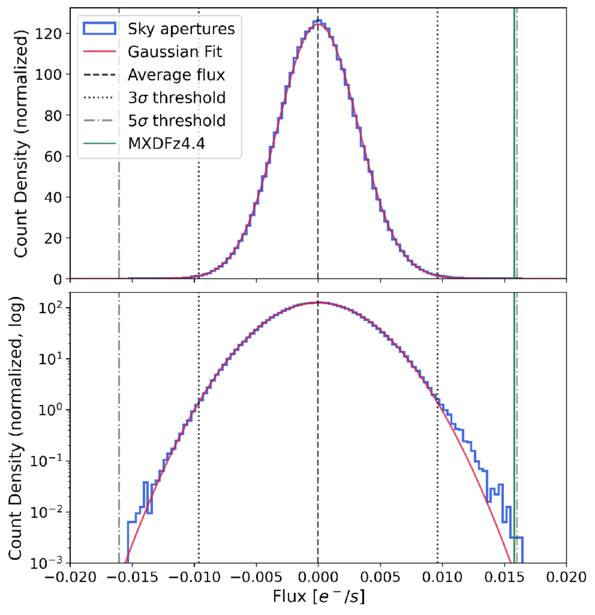
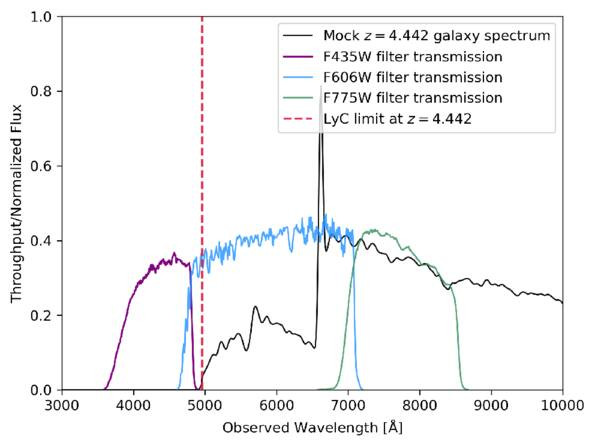
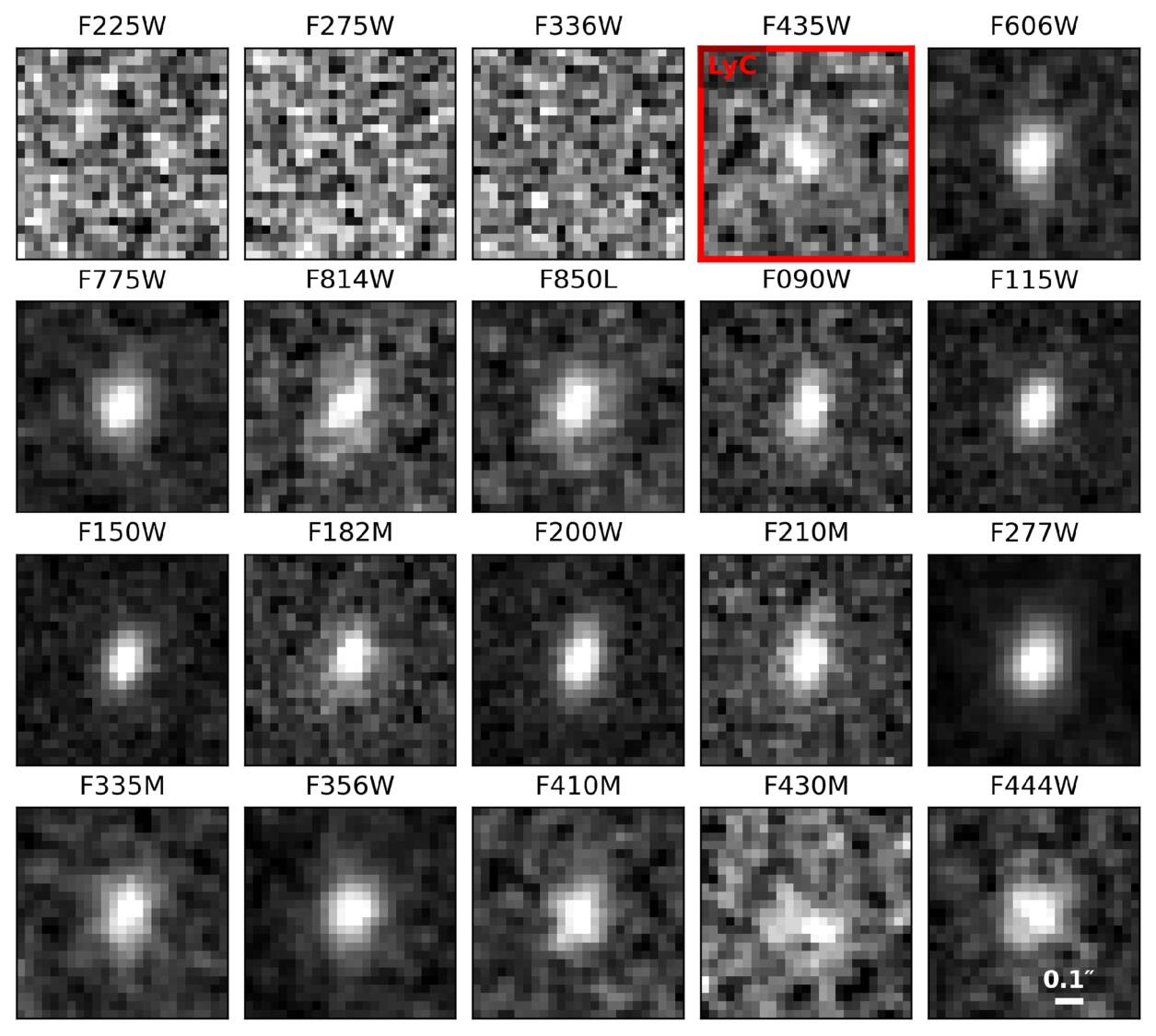
These revelations stem from deep Hubble Space Telescope observations, collected over extended survey campaigns. Such sensitive data enabled astronomers to detect ionizing ultraviolet photons ordinarily absorbed before reaching our instruments. Besides capturing this elusive radiation, Hubble also resolved the galaxy's internal layout, exposing clusters of newly minted stars responsible for producing the energetic radiation.
“Observing a galaxy like this was thought to be impossible,” said Dr. Ilias Goovaerts, a postdoctoral fellow at the Space Telescope Science Institute.
“Researchers expected the ‘fog’ or neutral hydrogen that filled the early Universe would be too thick and obscure our view of its ionizing light.”
“Hubble not only spotted that light, but it also helped reveal incredible details about the galaxy’s characteristics.”
The study, published in the Astrophysical Journal, highlights how advancements in deep-universe imaging enable direct testing of old theories concerning the early cosmos. Instead of indirect inferences, astronomers can now observe not just the presence of ionizing radiation but how a galaxy’s structure and star formation history created paths allowing ultraviolet light to leak into intergalactic space.
What Sets MXDFz4.4 Apart from Other Early Galaxies
While many galaxies from the same epoch have been cataloged, observing escaping ionizing photons remains exceedingly rare. The surrounding neutral hydrogen typically absorbs these emissions. This makes MXDFz4.4 a striking exception, whose distinct properties could explain why certain galaxies contributed more effectively to cosmic reionization.
“Astronomers have found many galaxies that existed at this point in the history of the Universe, but we haven’t detected ionizing photons from any of them, making MXDFz4.4 one of a kind,” said Dr. Marc Rafelski, also from the Space Telescope Science Institute.
High-resolution Hubble imagery suggests that successive star formation bursts created openings through the surrounding gas, enabling ultraviolet light to escape more readily. Unlike stars spread throughout a large galaxy, the hot, massive stars here are tightly packed, significantly increasing radiation intensity in a tiny volume. This combination of compactness, density, and vigorous star formation likely allowed MXDFz4.4 to be visible when similar galaxies remain hidden.
Insights Into How the Universe Turned Transparent
These discoveries bolster the growing consensus that numerous small, intensely star-forming galaxies, rather than massive ones, predominantly ended the cosmic dark ages. Individually faint, these compact objects may have collectively produced enough ultraviolet radiation to gradually ionize hydrogen in intergalactic space. If such galaxies were widespread during the dawn of the Universe, they could have driven one of its most crucial evolutionary milestones.
“A lot of young, hot, massive stars in a small space do a better job of blasting through opaque gas,” Dr. Goovaerts said.
Forthcoming observations with the James Webb Space Telescope and other next-generation instruments aim to discover more galaxies like MXDFz4.4. Such research will clarify whether this galaxy is a rare anomaly or part of a broader population instrumental in shaping the early cosmos. Each new find deepens our understanding of how the Universe evolved from opacity to the transparent expanse that enabled the birth of stars, galaxies, and planetary systems—including our own.
- Categories:
- News





0 comments
Sign in to Comment