
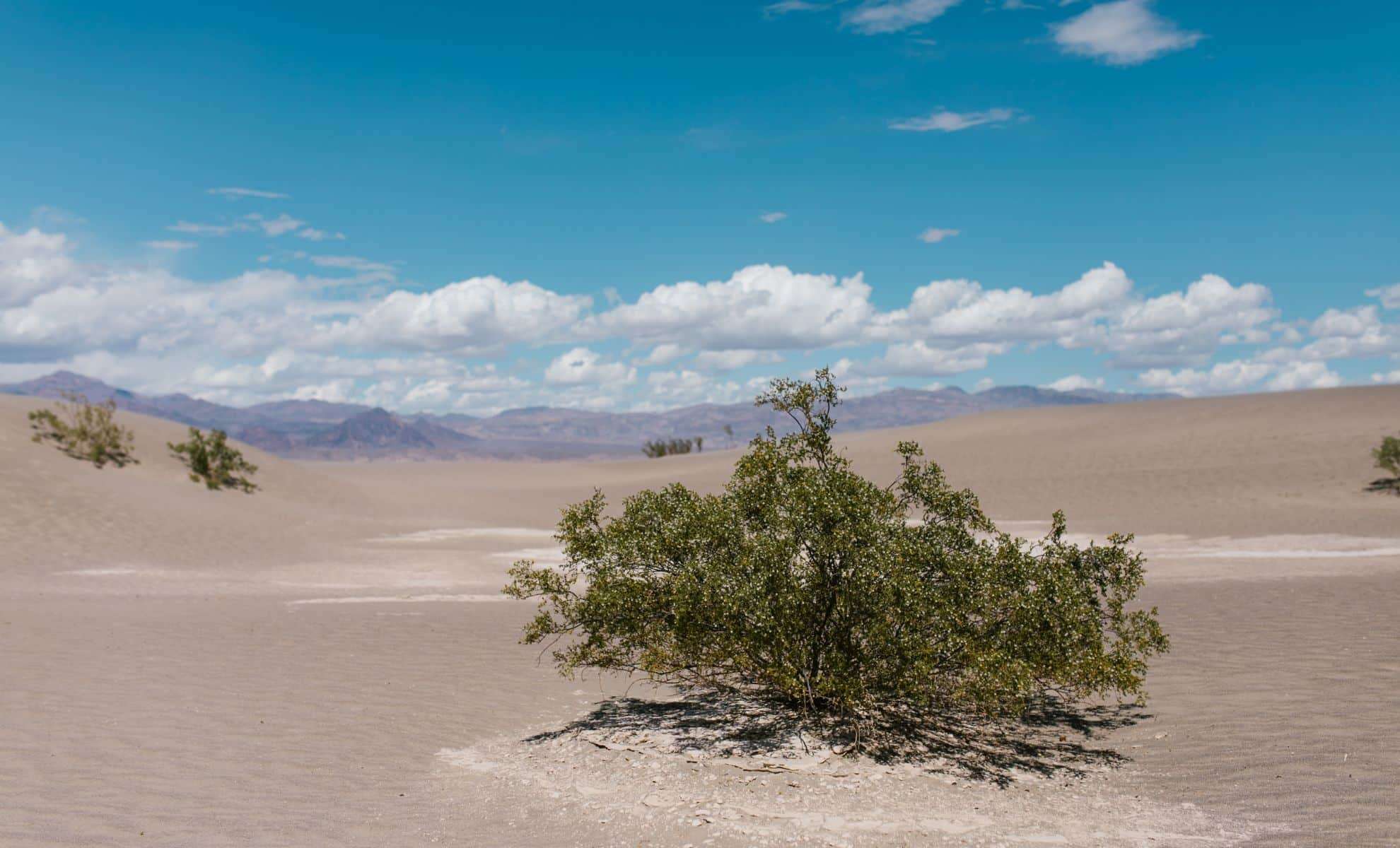
The Thar Desert, one of India’s most extreme and arid zones, is experiencing an astonishing revival. Over the last twenty years, vegetation in this harsh landscape has surged by 38%, turning many previously barren areas vibrant green. Recent research published in Cell Reports Sustainability attributes this greening trend to a complex blend of climate shifts, altered rainfall patterns, and human-induced changes.
Unique Phenomenon Among Global Deserts
Covering an area of approximately 200,000 square kilometers across northwestern India and southeastern Pakistan, the Thar Desert supports over 16 million residents, making it the world’s most densely inhabited desert. Unlike many deserts worldwide that are expanding due to worsening drought conditions, the Thar is witnessing an uncommon increase in vegetation and human settlement.
“Improvements in water and energy access have spurred growth in agricultural lands and urban centers, alongside notable rises in crop productivity,” explained Vimal Mishra, a civil engineer at the Indian Institute of Technology Gandhinagar and a contributor to the latest study.
“No other desert globally has simultaneously recorded increases in rainfall, urban development, and agricultural expansion as recently as the Thar.”

Collaboration Between Nature and People
Investigations utilizing satellite data from 2001 through 2023 reveal that monsoon rainfall in the Thar has amplified by 64%. This heightened precipitation has enhanced soil moisture levels, promoting denser vegetation, while expanded irrigation systems are accessing groundwater beyond seasonal rains.
These changes are not purely natural—human activities, including the growth of farming enabled by new water infrastructure and an expanding population, are key to reshaping the desert ecosystem. Rapid advances in irrigated agriculture and urbanization have driven this notable environmental transformation.
Balancing Progress with Sustainability
Despite the positive signs, scientists warn that the benefits could be short-lived without careful management. Overexploitation of groundwater threatens future water security, and increasing temperatures pose significant risks to the Thar’s inhabitants.
Emphasizing sustainability, experts recommend adopting drought-hardy crop varieties, investing in renewable energy sources, and implementing advanced water management techniques to protect and sustain the desert’s evolving environment effectively.
Climate Change Brings Mixed Outcomes
The Thar’s greening illustrates how climate change can yield localized advantages alongside emerging dangers. An increase in rainfall offers new possibilities for agriculture, yet climate models predict this precipitation will occur in intense, erratic events, raising concerns over floods and damage to infrastructure.
Additionally, expanding vegetation could threaten native desert species that have carefully adapted to arid conditions. The growth of commercial agriculture also risks undermining traditional nomadic farming cultures.
The intriguing transformation of the Thar Desert presents both scientific interest and a governance challenge. Researchers aim to deepen insight into the factors driving this unique desert-to-garden change, as the region now faces a critical juncture. With prudent policies, the Thar might become a leading example of climate resilience in arid lands, but neglect could turn its story into a cautionary tale of ecological and social fragility.
- Categories:
- News







0 comments
Sign in to Comment