
With the surge in the number of satellites occupying low-Earth orbit (LEO), recent findings reveal a critical danger: a solar storm might slash the available reaction time to a mere five days before catastrophic satellite collisions become unavoidable. This research emphasizes the mounting challenges posed by space congestion and the urgency of swift responses when space weather interferes with satellite functionality.
The rapid deployment of satellite arrays, notably SpaceX’s Starlink, has dramatically reshaped Earth's orbital environment. Initially aimed at delivering worldwide internet services, this buildup has inadvertently intensified collision risks. Experts warn that the dense satellite population significantly raises the probability of crashes, especially if solar storms disrupt satellite control and positioning.
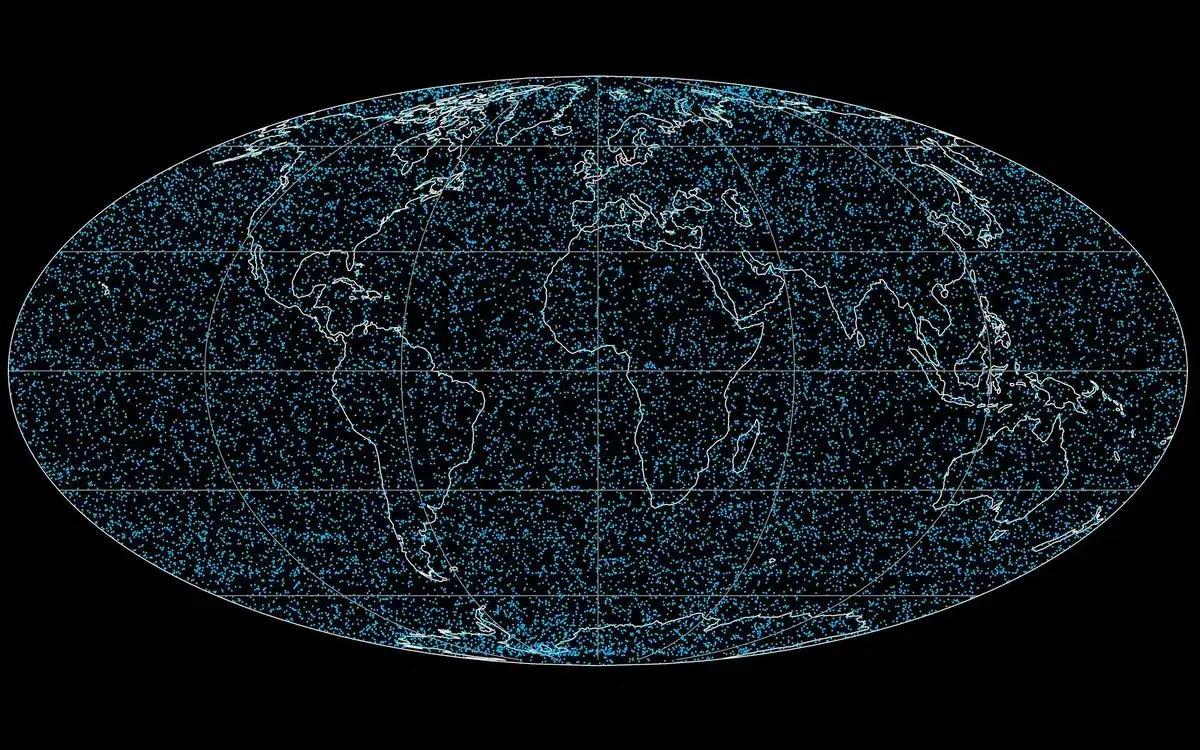
LEO’s congestion is reaching critical levels. Companies such as SpaceX are targeting the launch of thousands more satellites in the coming years, aggravating the orbital traffic jam. SpaceX has already deployed thousands of Starlink satellites and aims to add 7,500 more by 2031. Presently, these satellites pass each other at distances of less than 1 kilometer approximately every 11 minutes.

How Much Time Is Left on the CRASH Clock?
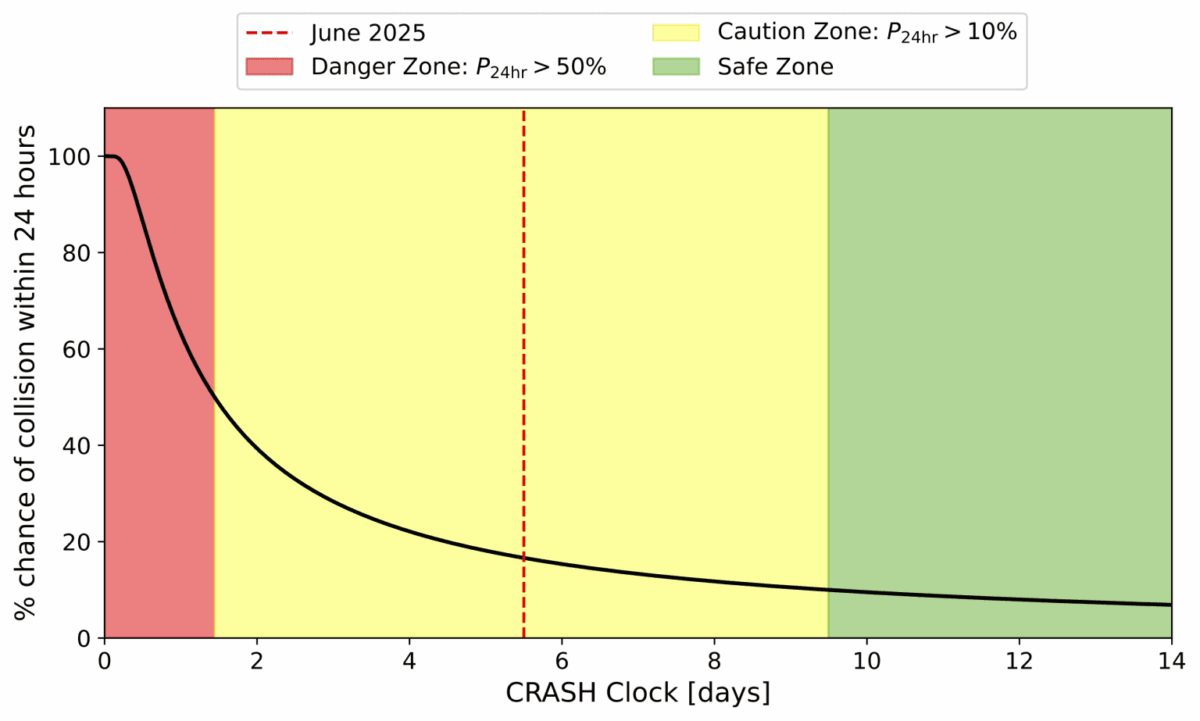
The CRASH Clock, created by astrophysicist Sarah Thiele and collaborators, delivers a sobering assessment of how little time remains to avert devastating collisions. It measures the countdown before a collision becomes nearly unavoidable, particularly if a solar storm disrupts satellite maneuverability. As reported in the study available on arXiv:
“Our calculations show the CRASH Clock is currently 5.5 days, which suggests there is limited time to recover from a wide-spread disruptive event, such as a solar storm,” said the authors.
The swift descent of the clock’s timer mirrors the escalating chaos in orbit. As satellite numbers increase and fewer options exist for maneuvering, the narrow window to prevent collisions shrinks. The danger intensifies if solar storms impair satellites’ navigation systems. Such events increase atmospheric drag and interrupt communications, triggering a potential chain reaction of failures ending in a collision.
Solar Storms: The Unseen Threat Above
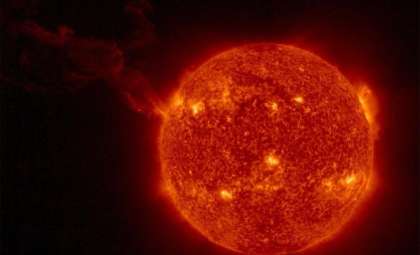
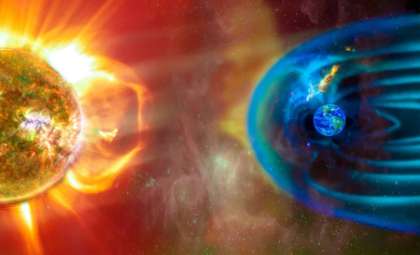
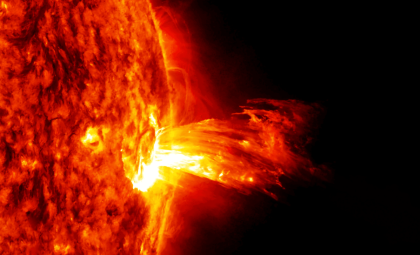
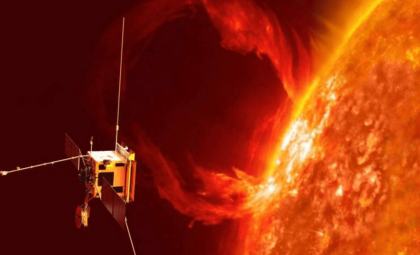
Solar storms stand among the most severe dangers to satellites. These phenomena unleash streams of charged particles from the sun, severely disrupting satellite operations. During events like solar flares or coronal mass ejections, satellites experience heightened atmospheric drag, causing rapid altitude loss and increased fuel consumption. This forces satellites into irregular orbits, raising the odds of collisions.
The 2024 Gannon solar storm exemplifies how space weather can challenge satellite performance. Nearly fifty percent of LEO satellites had to execute avoidance maneuvers to remain safe. Though intense, this event fell short of historic incidents like the 1859 Carrington Event, which persisted for days and caused extensive disruptions.
Solar storms also threaten satellite communications and navigation. When affected, satellites become immobile and risk drifting off their designated paths, increasing the likelihood of collisions with other orbiting debris. This cascade would generate even more dangerous debris, further exacerbating the fragile state of low-Earth orbit traffic.
- Categories:
- Space




0 comments
Sign in to Comment