
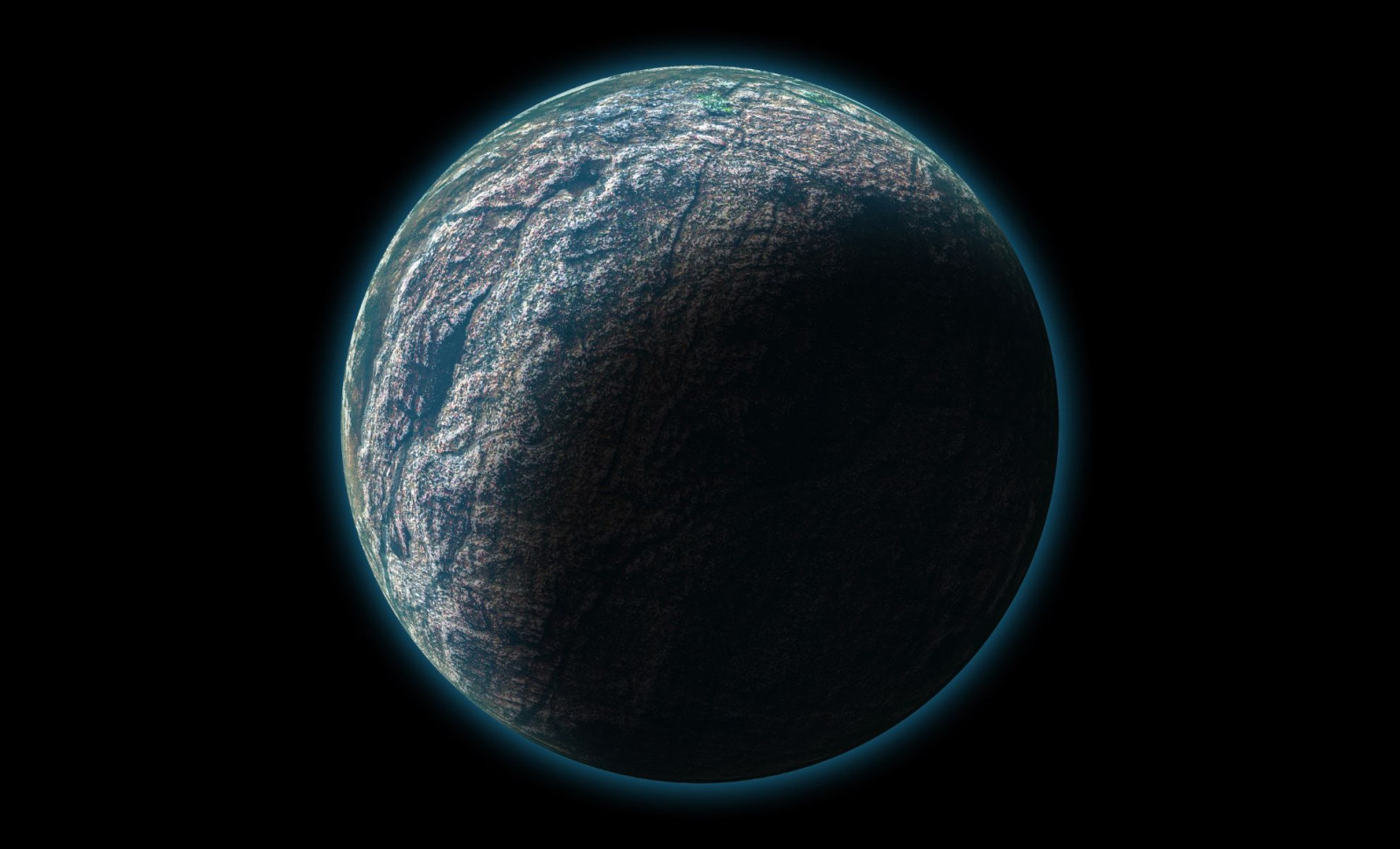
Resembling a dazzling sapphire floating in space, the exoplanet HD 189733b is a far cry from tranquil. Its tempestuous atmosphere is characterized by winds roaring at speeds seven times faster than sound, accompanied by sideways rain made of molten glass, making it one of the most extreme environments astronomers have detected.
This planet lies approximately 64 light-years away in the constellation Vulpecula. It first grabbed attention when NASA’s Spitzer Space Telescope documented its blistering heat levels, while subsequent observations by the Hubble Space Telescope unveiled its striking blue sky. Early on, some drew parallels to Earth, but the similarities ended at the color.
Discovered in 2005 by French astronomers, HD 189733b intrigued researchers with its extremely close orbit to its star, subjecting it to relentless stellar radiation that transforms its atmosphere into an intense, volatile furnace.

A Blue Planet Unlike Earth
Despite its blue appearance, HD 189733b’s coloration isn’t caused by water. NASA has confirmed that this brilliant hue results from silicate-rich clouds heated intensely by stellar radiation, not ocean reflections. These elevated clouds scatter blue light similarly to Earth’s sky, yet the resemblance is only skin-deep.
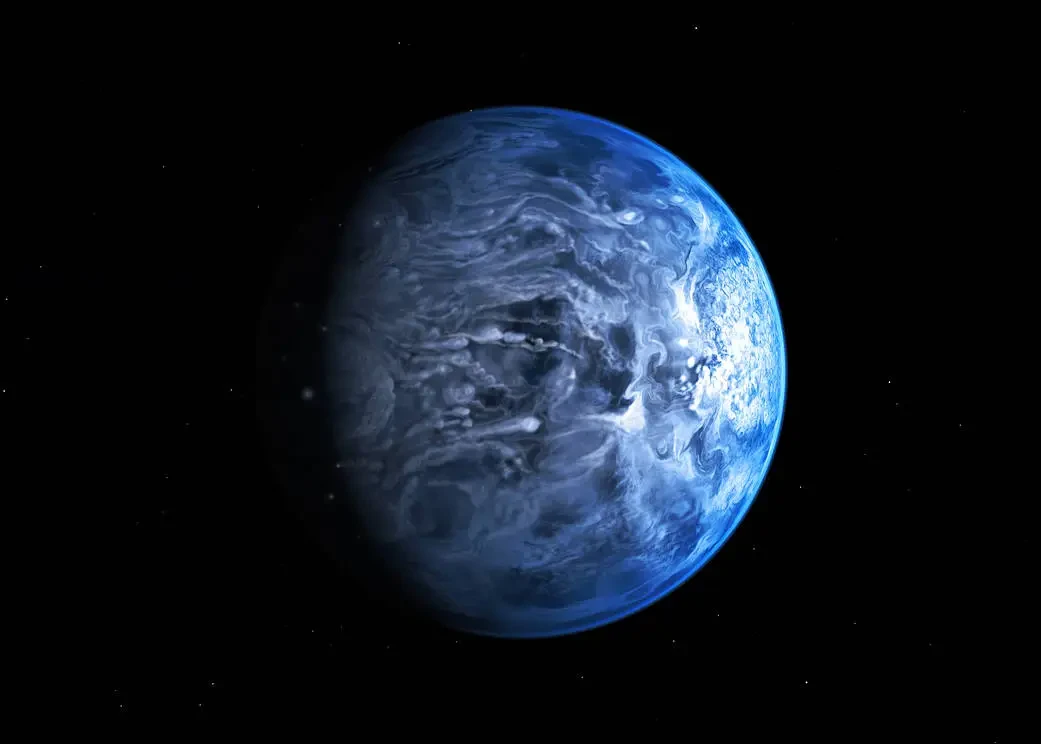
The daytime temperature on this planet can soar up to 2,000°F (1,093°C). Its tight orbit causes stark temperature differences between the sweltering dayside and cooler nightside. According to NASA, this temperature disparity powers the planet’s ferocious winds.
Supersonic Winds Blowing at 5,400 MPH
Using the Hubble Space Telescope, scientists have measured wind velocities reaching an astonishing 5,400 miles per hour (2 kilometers per second), fast enough to transport atmospheric particles across the globe within hours. These winds are unmatched by any known speeds in our solar system.
“This scorching alien world possibly rains glass—sideways—in its howling winds,” one statement from the agency read.
The intense heat combined with the supersonic wind speeds and complex atmospheric chemistry creates a relentless storm that would devastate anything caught within it.
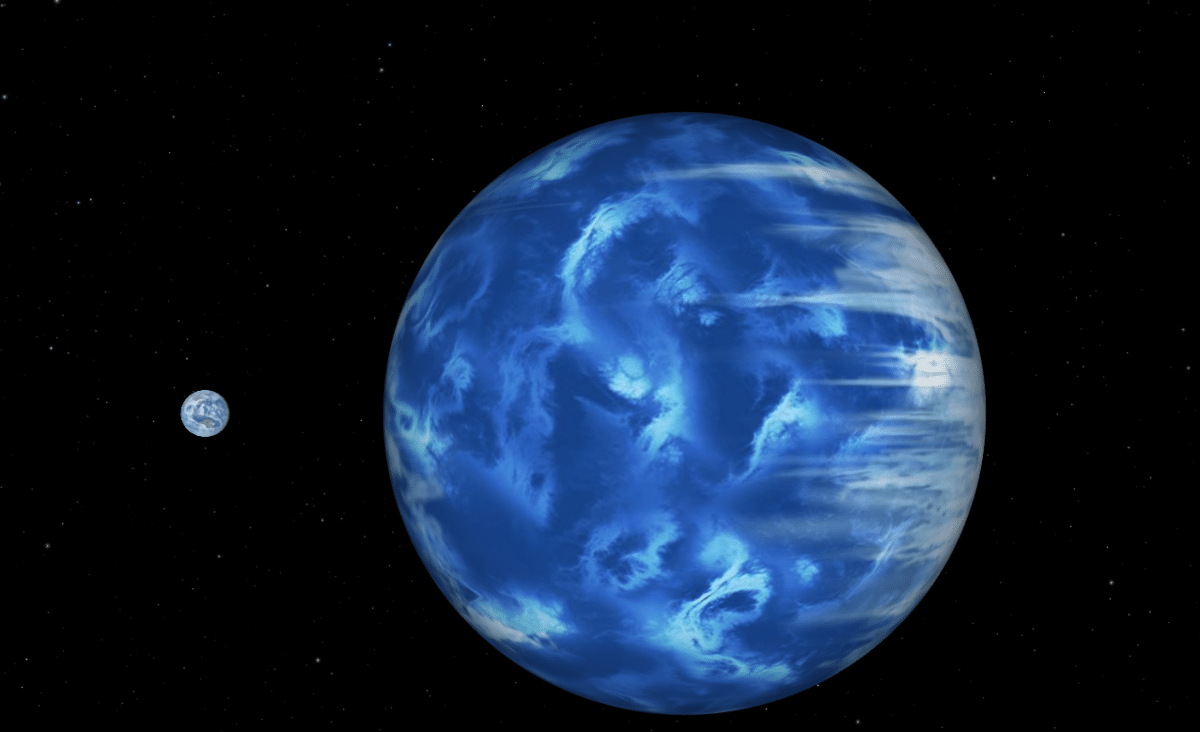
Glass Precipitation in a Silicate Tempest
The planet is infamous not only for its fierce winds but also for its unique weather: rainfall consisting of glass shards. Microscopic silicate particles suspended in the atmosphere condense into sharp glass droplets, which are then propelled sideways by the planet’s ferocious gales. According to NASA, this results in weather so extreme it is literally fatal — “getting caught in the rain on this planet is more than an inconvenience; it’s death by a thousand cuts,” as described in their reports.
Such high-velocity glass rain would shred through any surface—natural or manmade—on contact. This remarkable and hazardous meteorological phenomenon underscores the extraordinary and alien nature of worlds orbiting distant stars.
- Categories:
- Space



0 comments
Sign in to Comment