
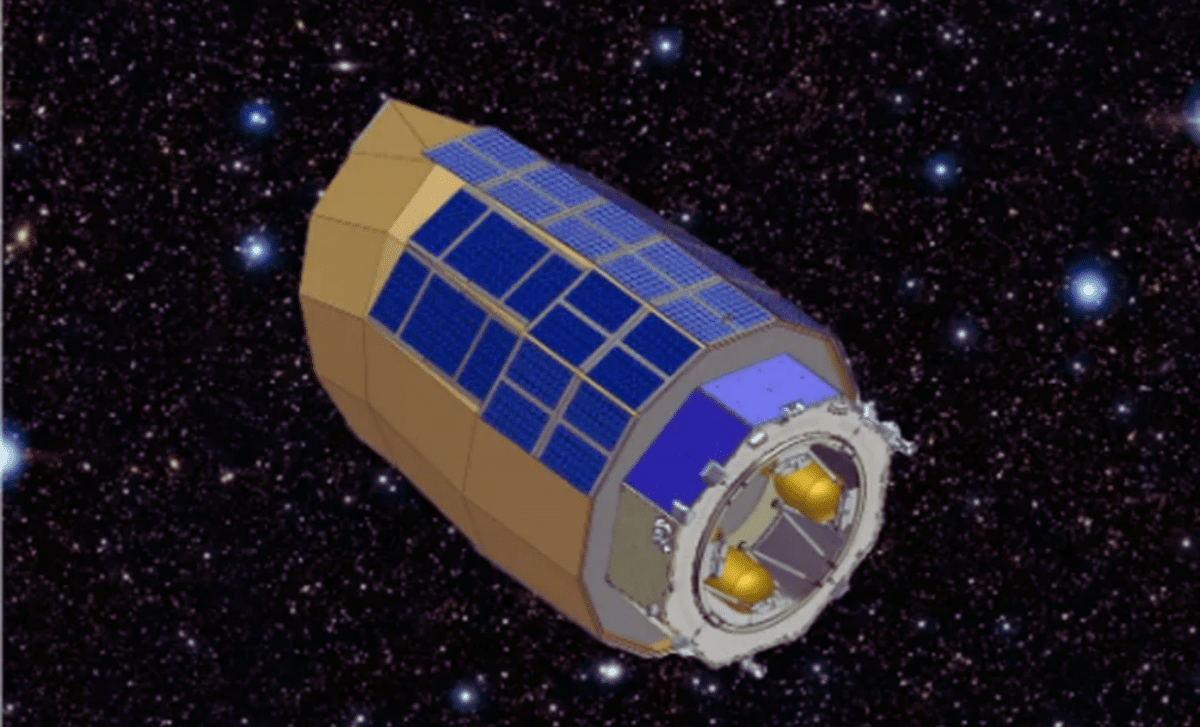
A transformative chapter in space observation is fast approaching. By 2029, Schmidt Sciences, the charitable foundation established by former Google CEO Eric Schmidt and Wendy Schmidt, aims to deploy Lazuli, the world’s first privately financed space telescope. This instrument will operate as part of a quartet of integrated observatories within the Eric and Wendy Schmidt Observatory System, which combines both orbital and terrestrial telescopes under the ethos of open, collaborative scientific research.
Revolutionizing Astronomy Through Integrated Innovation
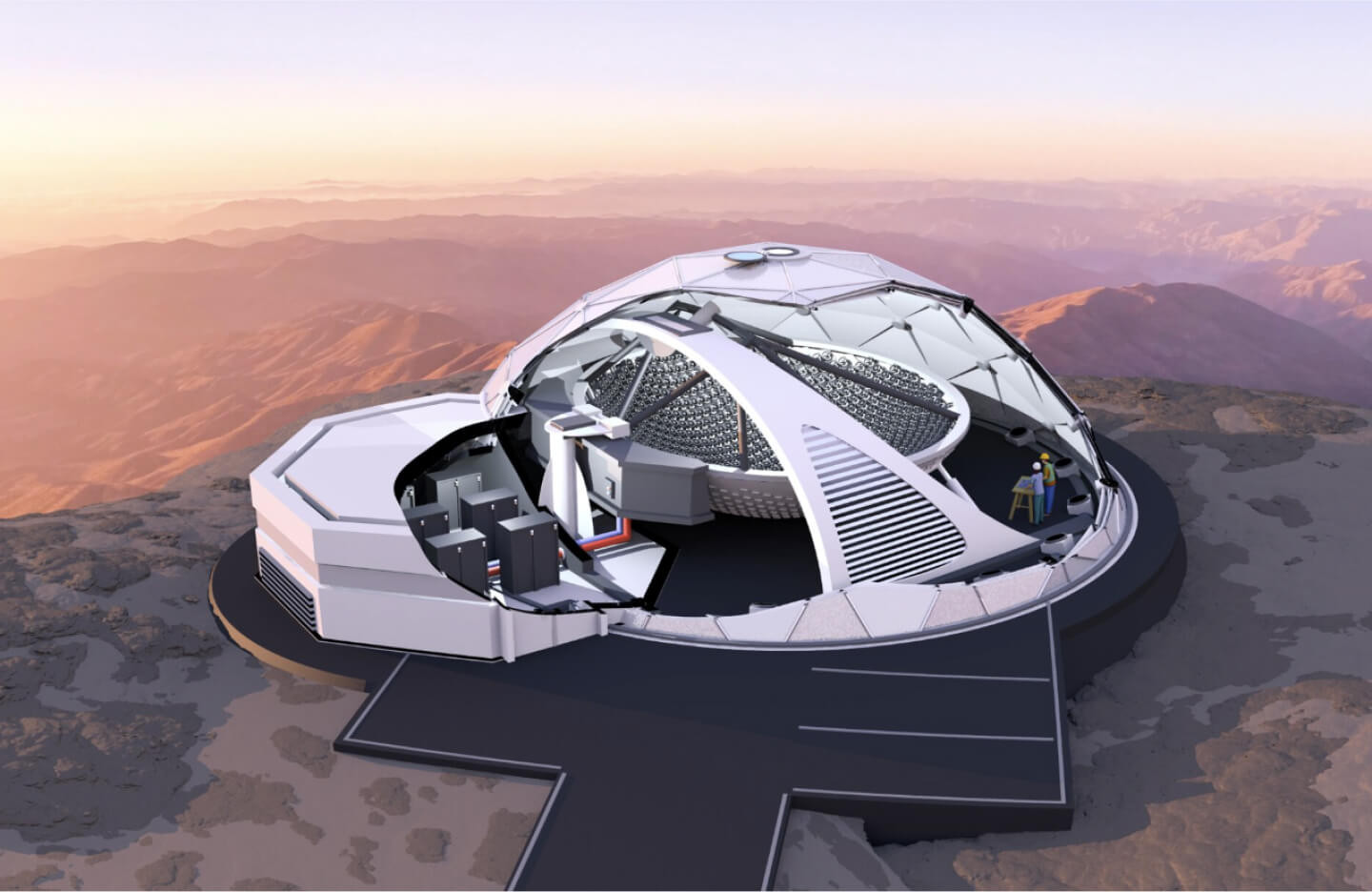
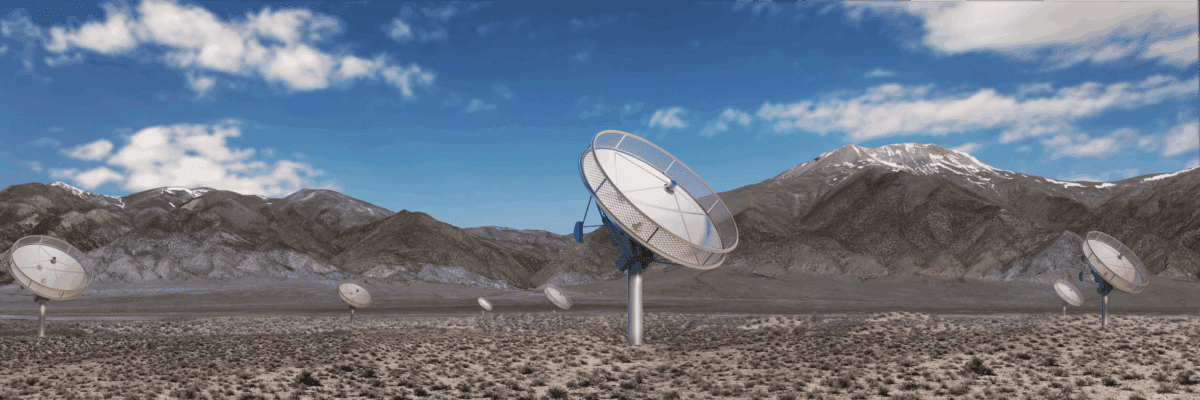
More than a simple network, the Schmidt Observatory System embodies a paradigm shift in the way astronomy is supported, accessed, and coordinated. Stewarded by Schmidt Sciences, this system comprises four primary facilities: the Argus Array, Deep Synoptic Array (DSA), Large Fiber Array Spectroscopic Telescope (LFAST), and Lazuli. Together, they will offer comprehensive coverage across optical, infrared, and radio wavelengths as a seamless observational platform.
“Our goal is to open new observational windows onto the cosmos,” explains Stuart Feldman, president of Schmidt Sciences, which oversees the project. This initiative is dedicated to democratizing astronomical data and hastening discoveries by providing open, immediate access to researchers internationally.

As reported by Science, each facility in the framework serves a distinct purpose: Argus will conduct nightly, high-resolution sky maps; LFAST will dissect spectral fingerprints of remote cosmic bodies; DSA will track radio signals live; and Lazuli will serve as the flagship space telescope with a mirror that eclipses Hubble’s size.
Lazuli: The Pioneering Private Telescope Set to Eclipse Hubble
Lazuli, the system’s spaceborne centerpiece, is anticipated to be a game-changer for astronomical observation. Featuring a mirror larger than Hubble’s, it will image the universe in 23 different wavelength bands spanning visible to infrared light. Equipped with a spectrograph and a coronagraph, Lazuli will study exoplanet atmospheres and identify planets smaller than Neptune by blocking stellar glare.
Macintosh, director of the University of California Observatories, states, “Lazuli represents the first genuinely transformative privately funded space telescope. This is a monumental advancement.” Beyond engineering success, the telescope symbolizes a significant philanthropic commitment to pioneering scientific ventures.
Astronomer Arpita Roy, Schmidt Sciences’ director of astrophysics and space, regards Lazuli as “an exceptional successor” to Hubble—designed to extend humanity’s cosmic inquiry with open availability to the global scientific community.
Advancing Open Science Through Collective Effort
One defining feature of the Schmidt Observatory System is its staunch dedication to open-access data. Departing from traditional model restrictions, data from this network will be released to the public within minutes after capture.
Highlighting this shift, Macintosh explains:
“It’s also a new approach—building in modern ideas about open science and making national resources and a coordinated observatory system rather than individual projects to particular universities.”
This setup fosters immediate cross-referencing between observatories, empowering scientists to swiftly follow up discoveries across the system’s instruments.
Schmidt Sciences embodies a modern, digitally driven outlook, blending advanced technologies, transparency, and worldwide partnerships. This mirrors the open data movement that transformed computer science and now aspires to revolutionize astrophysical research.
Turning Ambition Into Reality: Constructing the Observatory
The Schmidt Sciences team has been steadily bringing this vision to life over the past six years, merging groundbreaking engineering with a focus on cost-effective innovation, which president Feldman describes as "embracing calculated risks."
“We encouraged teams to just get it done,” Feldman notes. “We have binding agreements and real commitments.” This underlines the strong determination and practical planning fueling the project. The 2029 timeline also coincides with launches of other landmark tools, including the Extremely Large Telescope and the Square Kilometer Array.
Rather than competing, these facilities will act in harmony, enabling astronomers to address some of the most challenging puzzles of contemporary physics—from galaxy formation to the enigmatic Hubble constant discrepancies.
- Categories:
- Space








0 comments
Sign in to Comment