
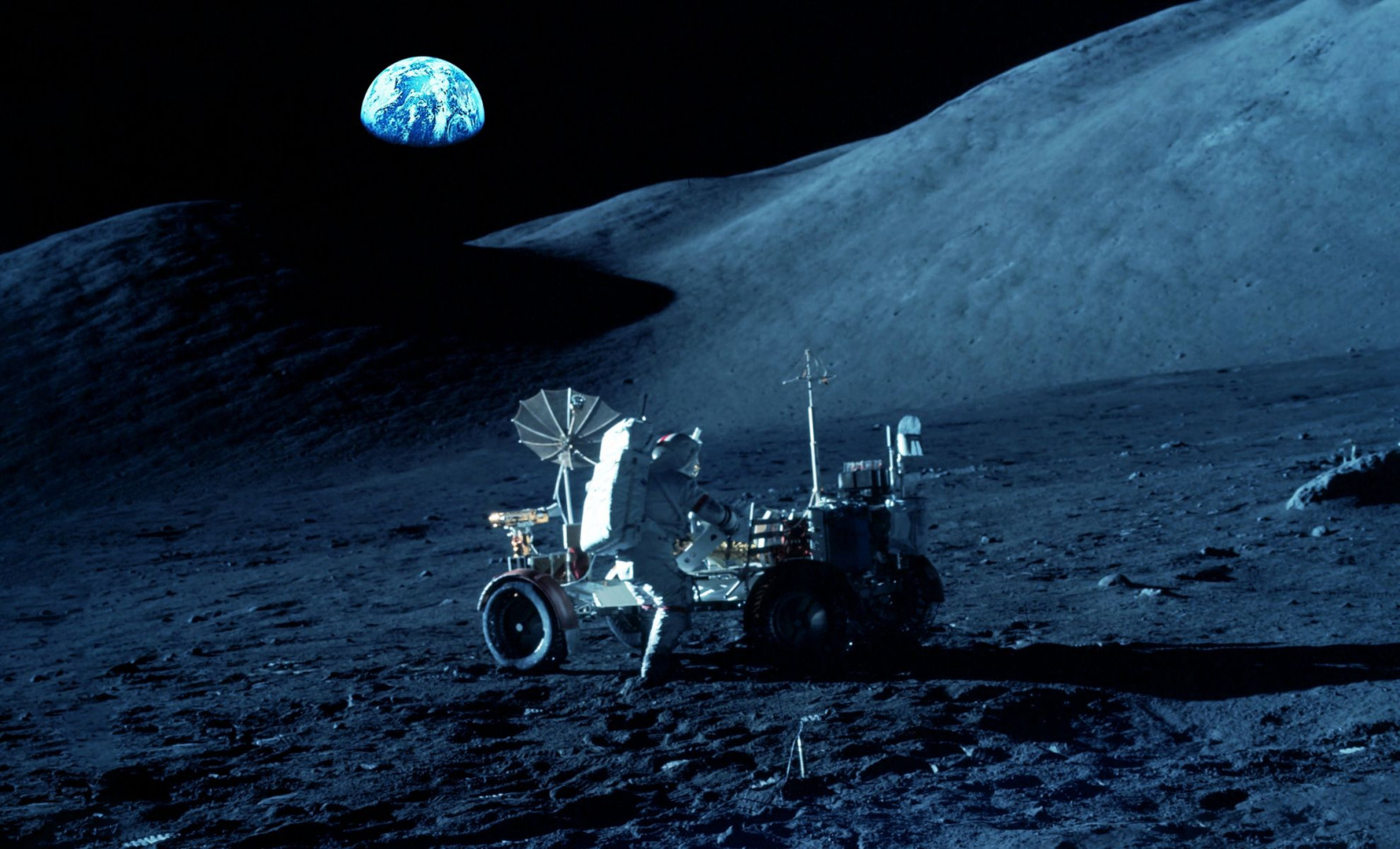
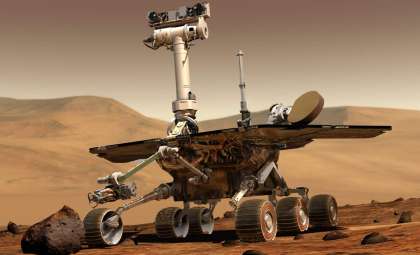
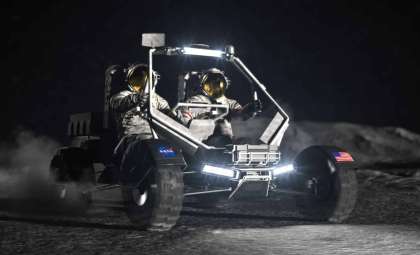
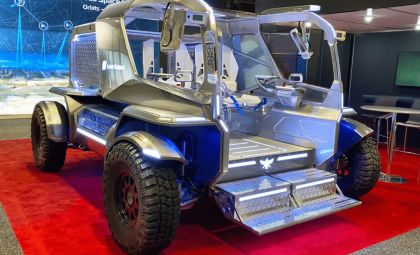
A pioneering German startup is developing a rover designed to produce artificial seismic pulses to investigate the Moon’s underground environment. This technology aims to locate critical resources and enhance mission planning accuracy ahead of crewed lunar expeditions.
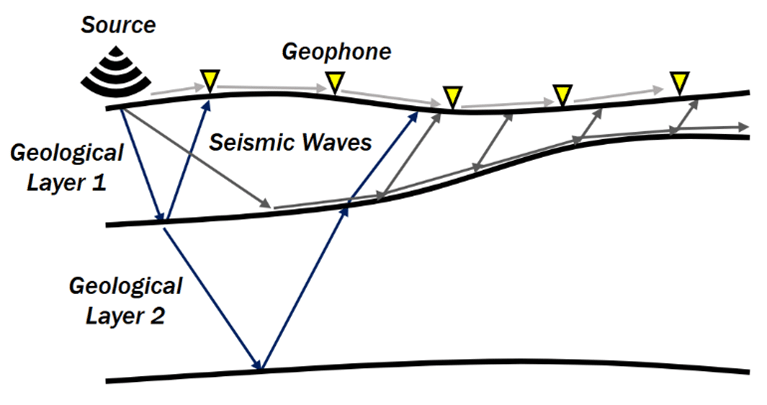
The approach is based on a classic geophysical technique: generating ground vibrations and interpreting the resulting seismic wave patterns. Differences in how these waves travel provide insights into subsurface compositions. On Earth, this strategy is widely applied to uncover mineral deposits and other valuable materials.
As excitement around lunar exploration intensifies, especially near the Moon’s south pole, there is an increasing demand to map subsurface features. The distribution of vital materials like water ice and regolith remains uncertain without advanced methods to study beneath the surface.

A Rover That Shakes the Ground Like Dinosaurs Did
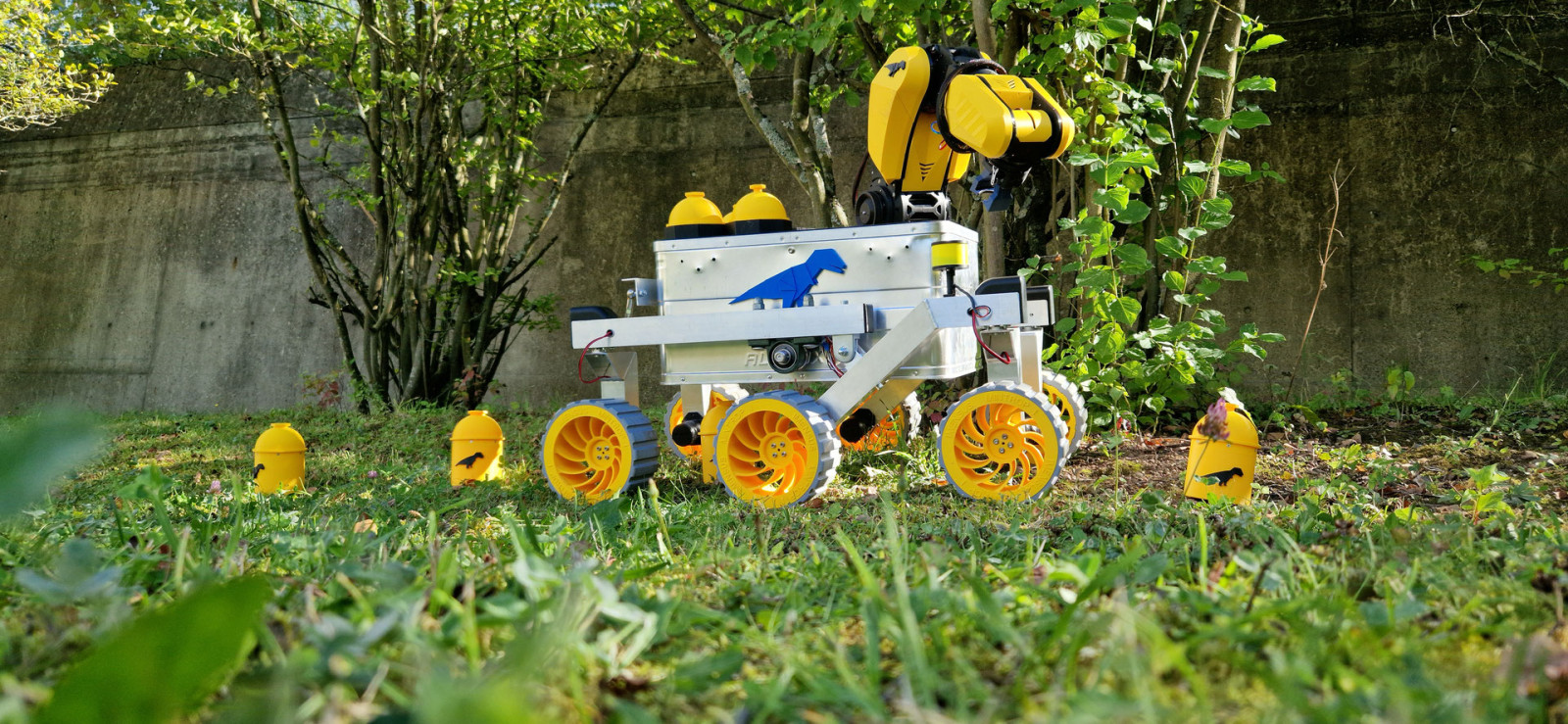
The initiative is led by IMENSUS, a German company crafting a rover capable of actively inducing vibrations. According to BBC Science Focus, this innovation adapts terrestrial seismic exploration techniques into a mobile platform fit for lunar terrain. David Frey, IMENSUS’s prototyping lead, offers a vivid analogy:
“You know in Jurassic Park, how the dinosaurs move and the whole ground shakes? That’s what we are… We’re shaking the ground,” he said, as reported by the publication.
Sensors positioned on the lunar surface capture the way seismic waves travel beneath, revealing denser rock layers or voids that could indicate hidden resources.
From Natural Moonquakes to Controlled Ground Vibrations
Previous seismic studies on the Moon mostly depended on spontaneous moonquakes caused by thermal stresses cracking the surface. These weak and erratic tremors limit the accuracy of subsurface investigations. According to the startup, their technology generates reliable and controllable “moonquakes,” enhancing measurement precision and data reliability.
Dr Nicholas Schmerr, a lunar seismologist at the University of Maryland, noted that such techniques can explore up to roughly one kilometer beneath the lunar surface.
“If humans want to establish a long-term presence on the Moon they are going to need to be able to access the resources that are already there,” he added that: “having technology that can enable that resource utilisation may make the difference in enabling human habitats and maybe even spark a space economy.”
Minimizing Risks for Upcoming Lunar Endeavors
This seismic technology enables mission designers to evaluate potential landing and construction zones beforehand. A seemingly ideal site could be hiding obstacles such as boulders or cavernous lava tubes underground.
“In my area of space engineering, no one’s thinking about that,” he stated. “Everyone’s just thinking, ‘Okay, let’s just go with builders, dig and use the material’. But there might be a huge rock underneath. Or you might be needing 10 tonnes of regolith, but there’s a big cavity or rocks, so you can only use 500kg of it. You want to know this before you go to the Moon, because it’s super expensive.”
Even attractive sites may prove less usable if subsurface conditions are unfavorable. The Moon’s extreme climate, radiation exposure, and abrasive dust pose serious challenges that any seismic device must be robust enough to handle, warns Schmerr, according to the same source.
- Categories:
- News


0 comments
Sign in to Comment