
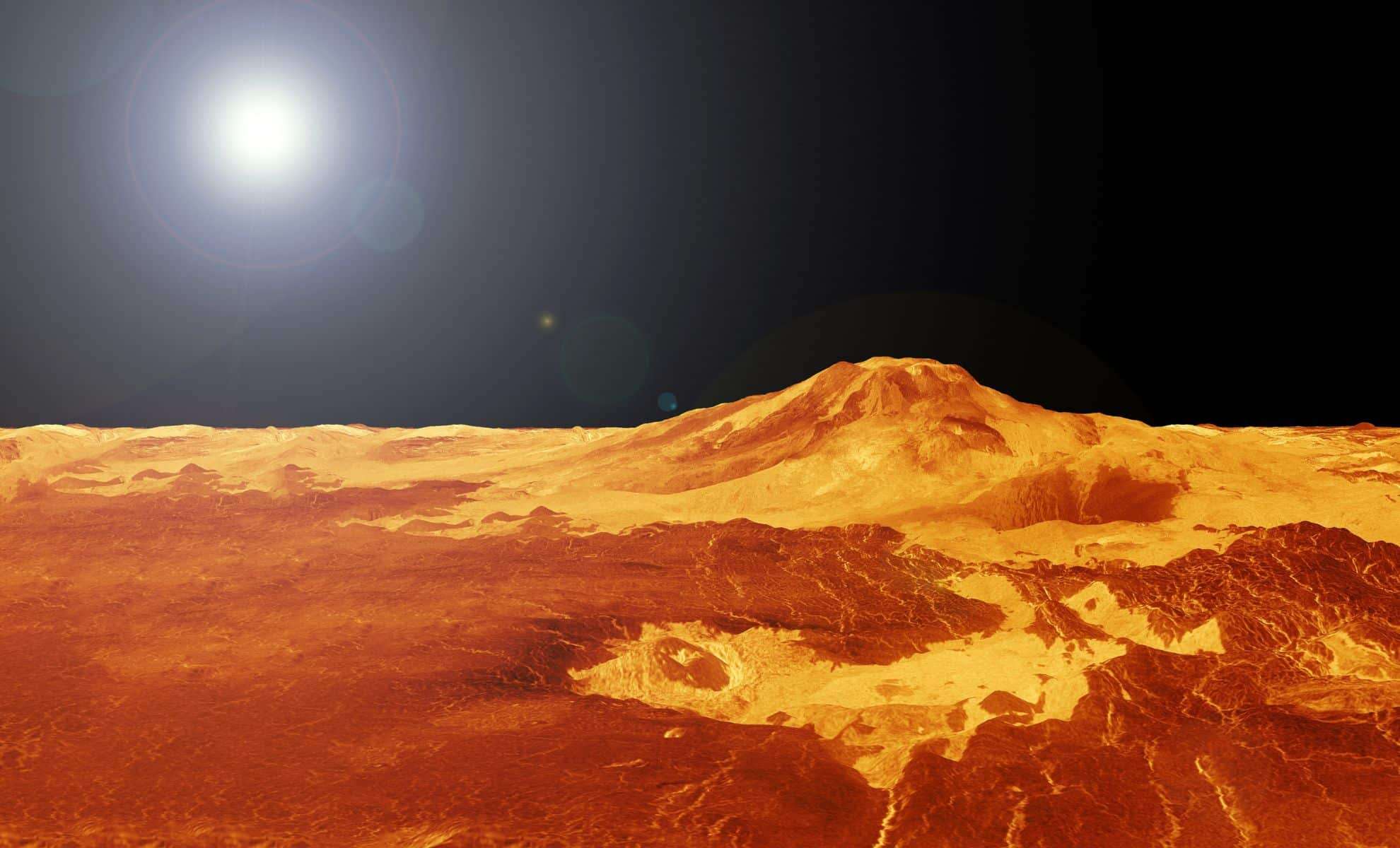
At the Europlanet Science Congress 2025 held in Helsinki, new findings reveal that Venus might host some of the largest lava tube systems observed in our solar system. Spearheaded by planetary geologist Barbara De Toffoli from the University of Padova, the investigation utilizes radar data gathered from past Venusian missions, challenging existing ideas about lava tube formation on terrestrial planets.
Uncovering Unexpected Subsurface Features
Venus shares many physical traits with Earth, including similar size, mass, and rocky makeup. However, unlike Earth’s hospitable environment, Venus is enveloped by thick clouds of sulfuric acid and endures surface temperatures above 900°F (480°C). With atmospheric pressure over 90 times greater than Earth's, the planet has long been viewed as a geologically extreme and inhospitable world.
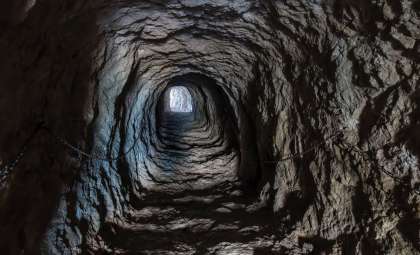
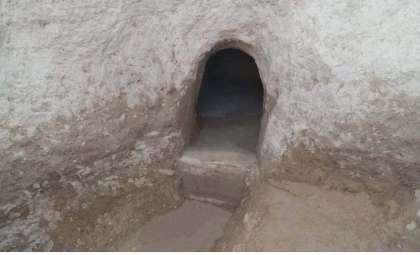
Scientists have long recognized the presence of lava tubes — hollow conduits created when the surface of flowing lava cools to form a crust while molten lava continues to drain underneath — on Earth, the Moon, and Mars. Their sizes vary with gravity; bodies with weaker gravity like the Moon allow these structures to expand far larger than those found on Earth. Given Venus' Earth-like gravity, its lava tubes were presumed to be relatively small as well.

Contrary to these expectations, De Toffoli’s team analyzed radar imagery and detected meandering chains of pits close to ancient shield volcanoes on Venus. These surface features align with probable lava flow routes and correspond to collapsed lava tubes rather than tectonic faults.
“Earth lava tubes have smaller volumes, Mars tubes have slightly bigger volumes, and then the Moon’s tubes have even bigger volumes – and then there’s Venus, completely disrupting this trend, displaying very, very big tube volumes,” explained De Toffoli. “This is already giving away the fact that there’s likely something more on Venus playing a significant role.”
Challenging Established Geological Models
The study indicates that the proportions of these subsurface structures—specifically their depth-to-width ratios and overall volumes—are comparable to or even surpass those found on the Moon. This outcome defies the expectation that Venusian gravity would restrict the development of large lava tubes.
Researchers hypothesize that Venus’s thick atmospheric pressure might limit vertical erosion inside these tubes, promoting the spread of lava in wider, flatter flows. Over extended periods, this could produce immense underground voids uncharacteristic of planets with similar gravitational forces.
This suggests that volcanic activity on Venus is uniquely influenced not only by its internal heat and gravity but also by its extreme atmospheric conditions and surface temperature.
Insights Into Venus’s Volcanic History
Boasting more volcanoes than any other planetary body in our solar system, Venus's geological past remains largely mysterious. These recently identified lava tubes could unveil vital information about Venus's transformation from a potentially habitable environment to the scorching planet observed today.
Scientists speculate that Venus might have once supported shallow seas, and these underground networks could harbor chemical remnants from ancient aquatic settings. Protected beneath the surface, such formations might offer clues about the massive climatic shifts responsible for Venus’s runaway greenhouse phenomenon.
While previous robotic missions have faced challenges on the harsh Venusian surface, these lava tubes could become targets for exploration. Analogous to the tunnels on the Moon and Mars, these natural caves might offer shelter for robotic instruments during short-term missions in extreme conditions.
Upcoming Prospects: Exploring Venus’s Depths by 2031
Currently, the evidence relies on remote sensing data from prior missions. However, more detailed investigation is on the horizon with the European Space Agency's EnVision spacecraft, planned for launch in 2031. This mission will carry a sophisticated Subsurface Radar Sounder able to peer hundreds of meters beneath Venus’s crust.
This cutting-edge instrument has the potential to provide the first direct images of these enormous subterranean formations, offering insights into their size and makeup. According to De Toffoli and her team, the distinctive properties of Venusian lava tubes suggest that Earth’s sister planet may harbor some of the largest underwater cavities in our solar system.
- Categories:
- News



0 comments
Sign in to Comment