
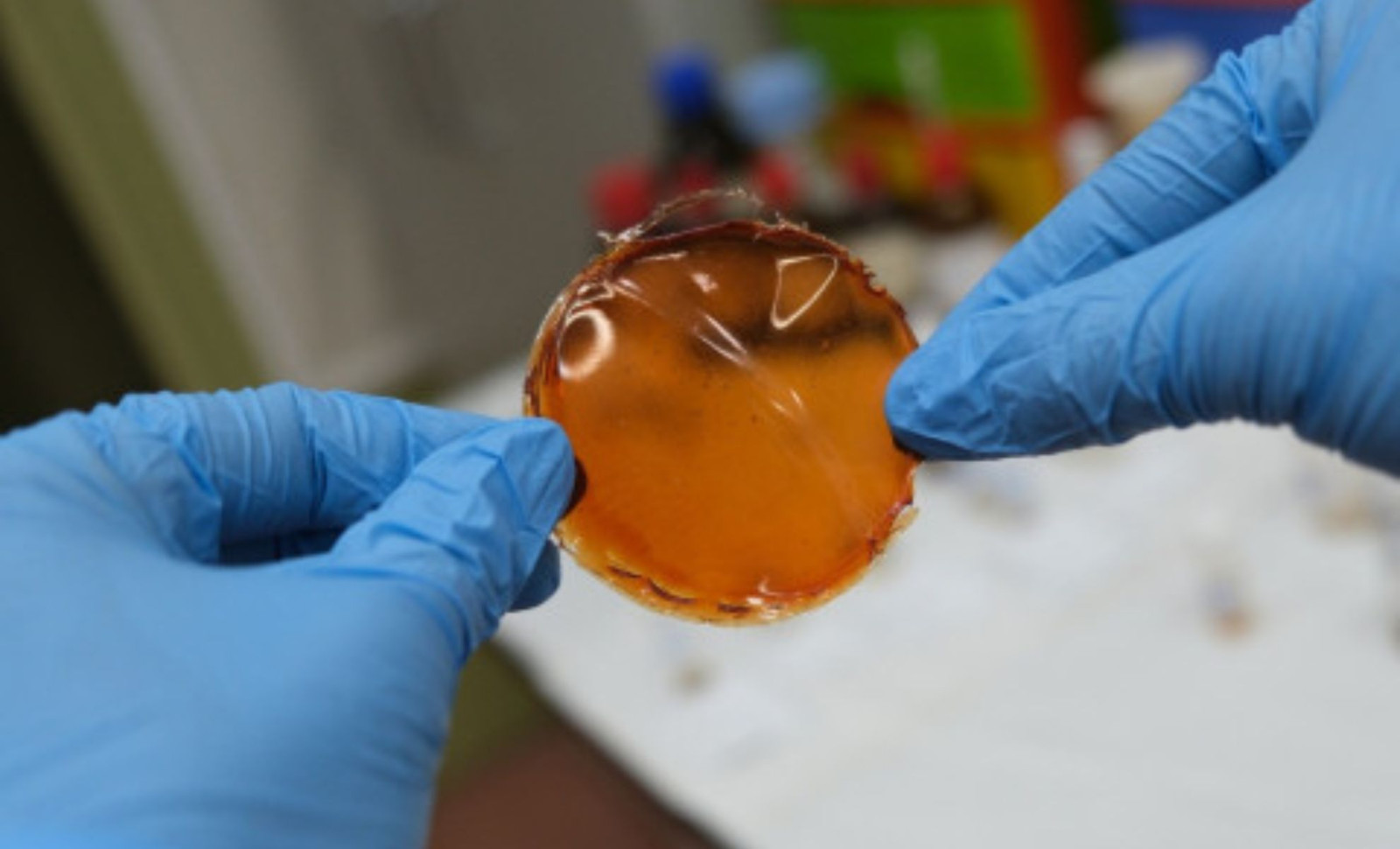
Scientists at ICMM-CSIC have engineered an advanced membrane that dramatically accelerates hydrogen purification processes. Exhibiting an 800% rise in permeability and a 30% boost in selectivity, this innovation addresses key obstacles hindering large-scale hydrogen deployment.
Hydrogen plays a vital role across multiple sectors, including refining and chemical manufacturing, with its importance growing in energy storage solutions. However, obtaining hydrogen of sufficient purity remains a challenging and expensive task.
Membrane technology offers a solution by filtering gases at the molecular scale, yet achieving a balance between speed and accuracy has been difficult—until this new development.

Revolutionizing Hydrogen Filtration
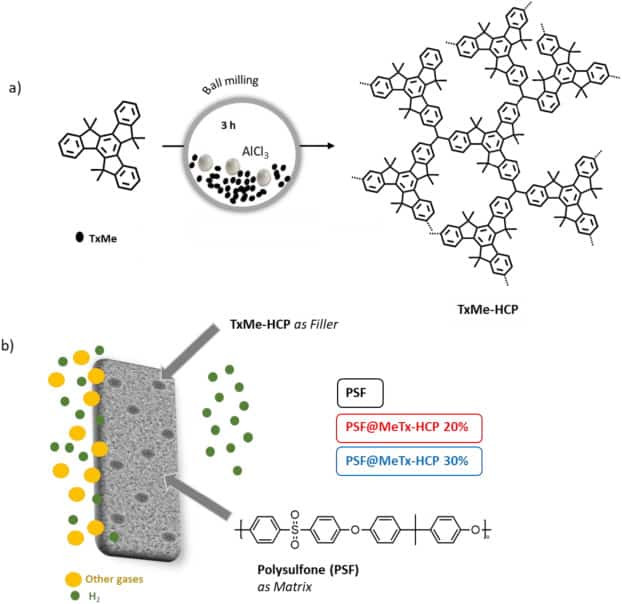
The research team based their membrane on polysulfone, a dependable material commonly used in existing membranes. They incorporated a uniquely designed porous component that forms minuscule channels throughout the membrane.
These channels selectively allow hydrogen molecules to pass while effectively blocking larger gases such as methane and carbon dioxide.
“We take advantage of those pores, their voids, to discriminate between gas molecules, allowing the small ones to pass through,” explained Eva Maya, who works at ICMM-CSIC and led the study as first author.
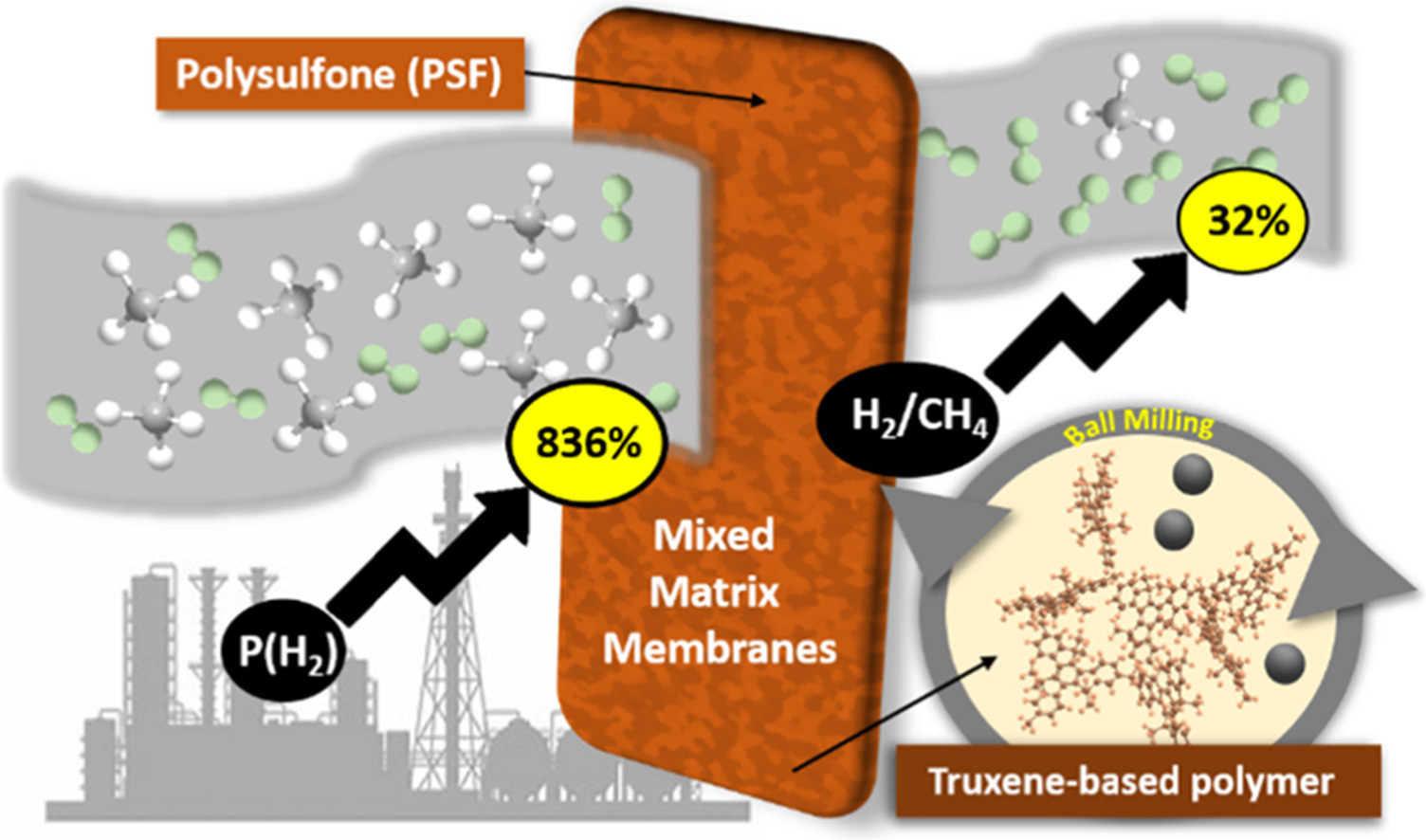
Published in the Journal of Membrane Science, the design enhances gas separation performance without sacrificing processing speed.
Overcoming Traditional Trade-offs
Gas separation usually involves a trade-off: increasing permeability often reduces selectivity, and vice versa. The ICMM-CSIC group reports having successfully enhanced both parameters simultaneously.
“The membrane must withstand hydrogen pressure while also having a certain elastic component. Additionally, we need it to be capable of separating gases while allowing high permeability—that is, a high flow of the gas we are targeting, in this case, hydrogen,” explained the Maya.
The results are impressive: an 800% improvement in permeability paired with a 30% increase in selectivity, marking a significant advancement for gas separation technologies.
The Technology Behind the Membrane
The production technique also contributes to the innovation. Employing mechanochemical synthesis, the process reduces solvent use and energy consumption. As Eva Maya highlights, this method cuts the manufacturing time drastically compared to traditional approaches.
“We complete a synthesis in three hours that traditionally takes three days,” she added.
According to ICMM-CSIC, these advancements pave the way for industrial applications where speed, environmental impact, and cost efficiency are critical. This membrane holds particular promise for the petrochemical sector, where purified hydrogen is essential.
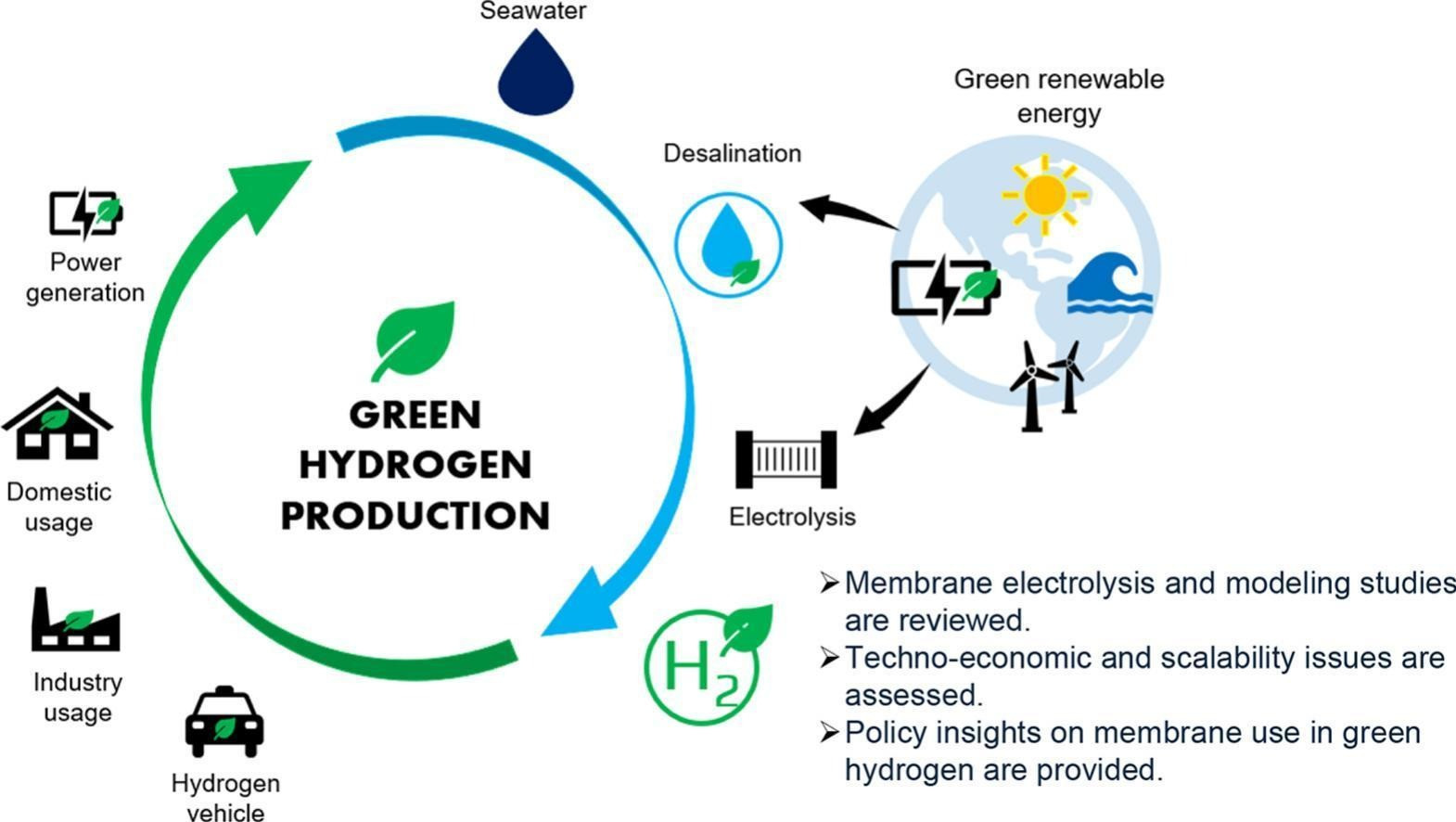
This technology also supports wider European initiatives promoting cleaner hydrogen, including green hydrogen, where purification remains a crucial stage before storage or utilization.
“Our approach is very attractive for practical industrial applications because it reduces the synthesis time of porous fillers and mitigates the use of toxic solvents, which in turn minimizes hazardous waste,” she noted.
- Categories:
- News












0 comments
Sign in to Comment