
With painstaking precision, a robotic claw gripped an ancient pitcher resting on the seabed. From the surface, a French Navy officer calmly guided the remote vehicle, aware that a single wrong move could damage the fragile 500-year-old relic. The descent alone had taken nearly an hour through the dark depths.
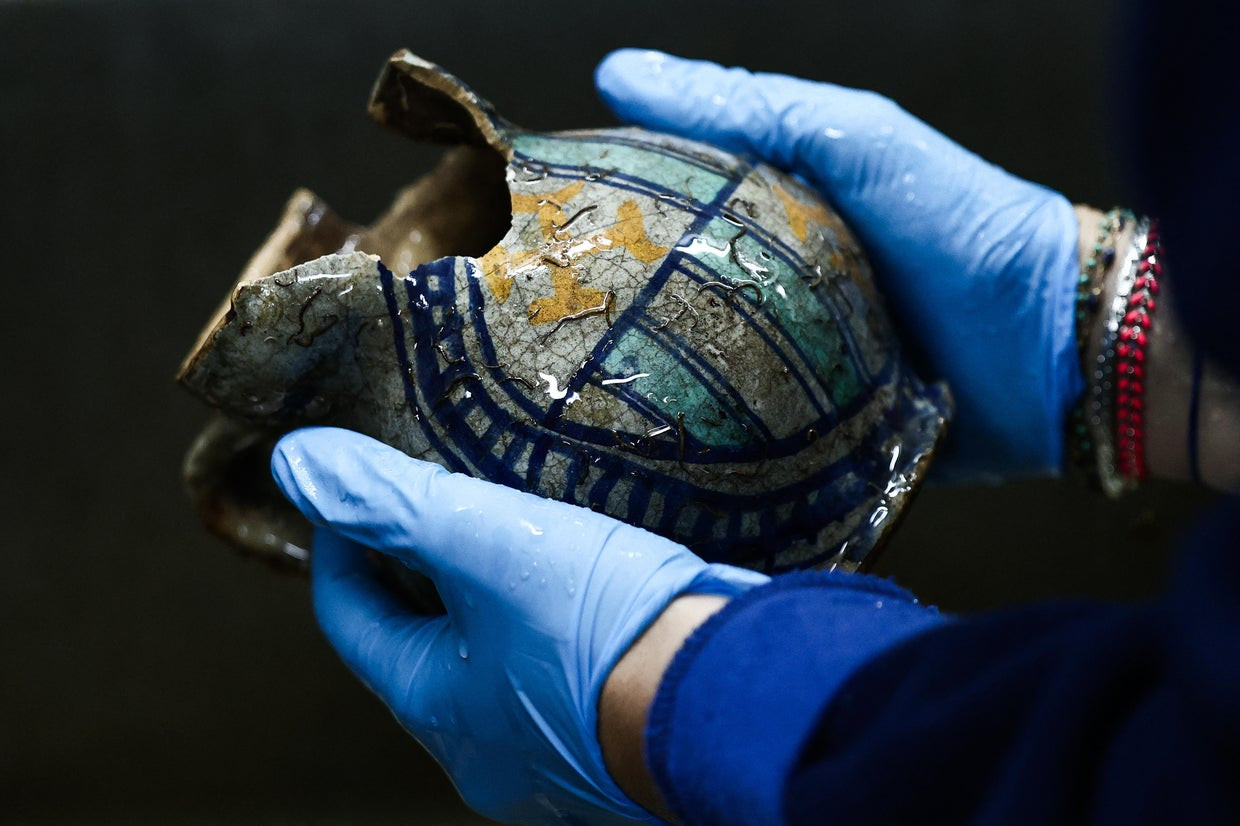
Now housed in a lab in Marseille, the pitcher’s vivid turquoise and golden patterns are visible again for the first time since the 16th century. “This is among the deepest artifacts ever retrieved from a French shipwreck,” explained Marine Sadania, the chief archaeologist leading the project. Her team had just finished surveying France’s deepest recorded shipwreck, a merchant vessel lying beyond 2,500 meters beneath the Mediterranean Sea.
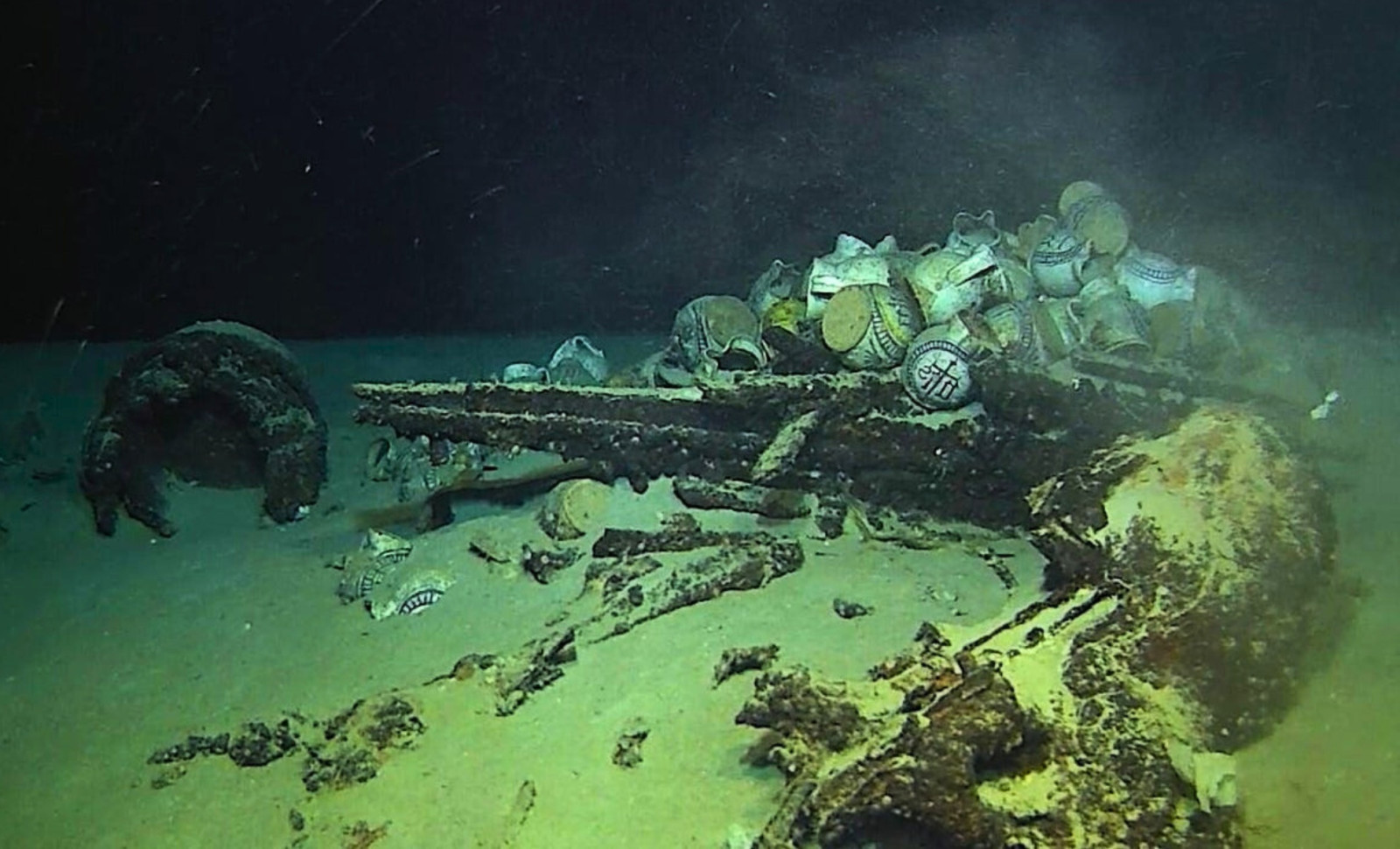
Discovered accidentally in March 2025 amid a French Navy ocean mapping mission near Ramatuelle, close to Saint-Tropez, the shipwreck named Camarat 4 was documented over three days in April 2026. A remotely operated vehicle (ROV) took 67,000 photos and retrieved three pitchers along with a ceramic plate. The Maritime Prefecture of the Mediterranean noted that the extreme depth had shielded the site from plundering and deterioration since the vessel sank about five centuries ago.

Weaponry, Cooking Tools, and Rich Ceramic Cargo
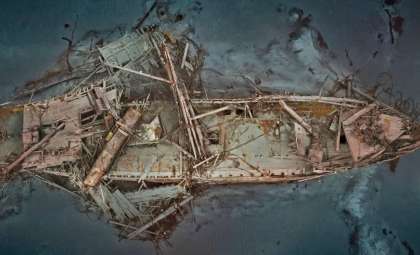
The ship spans around 30 meters in length and 7 meters across. Experts believe it was a merchant vessel from Italy, likely en route from Liguria to the French coastline when it was lost. Six cannons lie scattered through the site, typical armaments intended to safeguard precious goods against pirates and enemy ships.
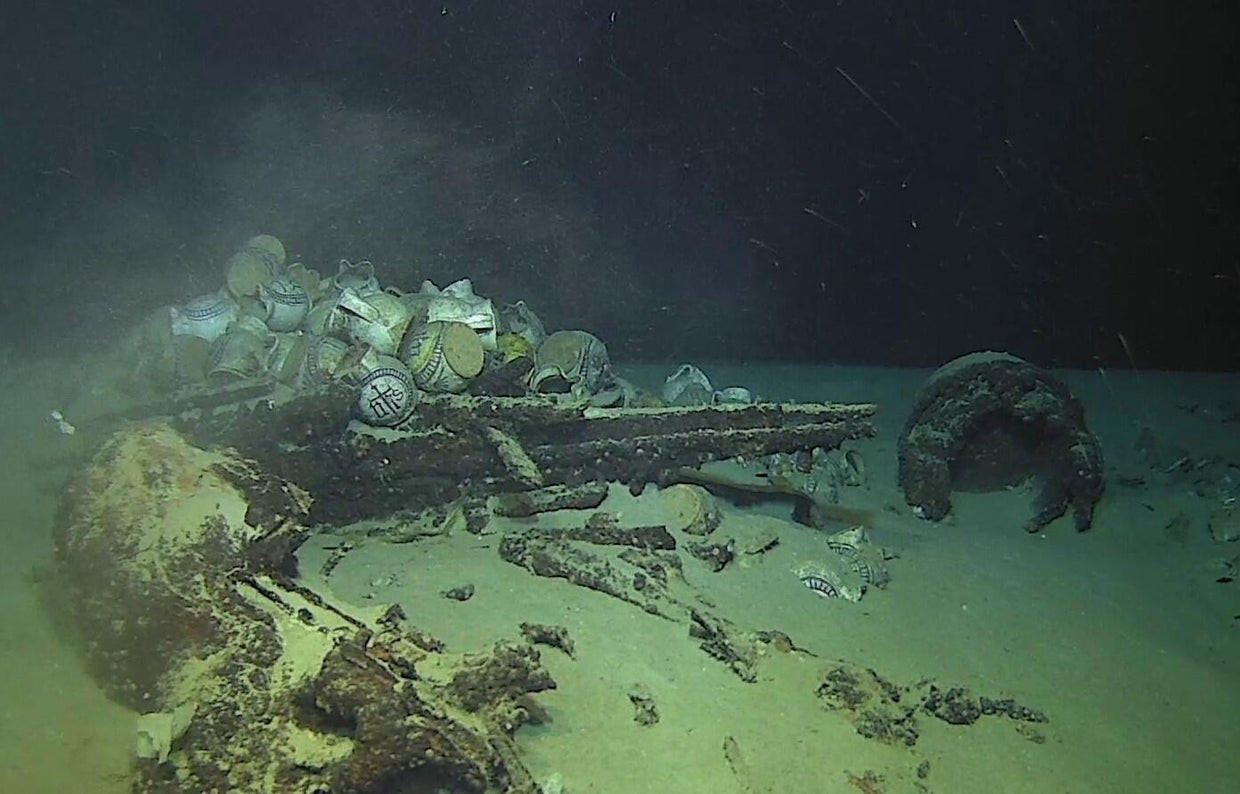
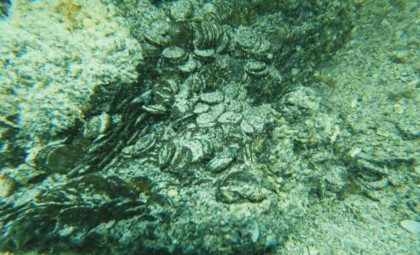
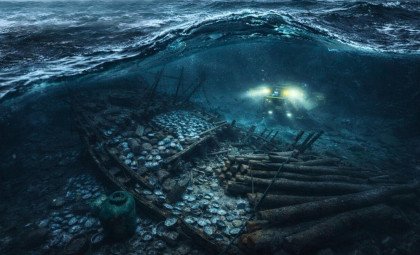
Close by rest two cauldrons and an anchor, yet the ceramic cargo dominates the site. Hundreds of glazed jugs and plates lie intact on the seabed, with many more expected to be buried beneath. Sadania emphasized that written records from this era are rare, making the physical artifacts especially significant.
“This discovery offers invaluable insights into maritime commerce,” she told Agence France-Presse, reported by CBS News. The goods reveal details about trade routes, production hubs, and the vibrant commercial networks connecting Renaissance Mediterranean ports.
Ceramics Identify the Ship’s Origin
Franca Cibecchini, an archaeologist from the French underwater archaeology agency DRASSM, quickly identified the pottery. The globular pitchers, featuring pinched spouts and strap handles, correspond with 16th-century Ligurian craftsmanship, documented in workshops near Genoa and Savona.
Approximately 200 pitchers are scattered on the ocean floor, some adorned with the IHS Christogram. Others showcase floral bands, fish motifs, and double-lined geometric borders beneath the rim. Around a hundred plates accompany these vessels, likely from the same regional centers.
The quality and diversity of decorations suggest a commercial shipment rather than mere everyday wares. Metal bars discovered in the cargo support the idea of a merchant navigating a common trade route, transporting manufactured goods from Italy westward.
Exploring the Depths with a Robotic Eye
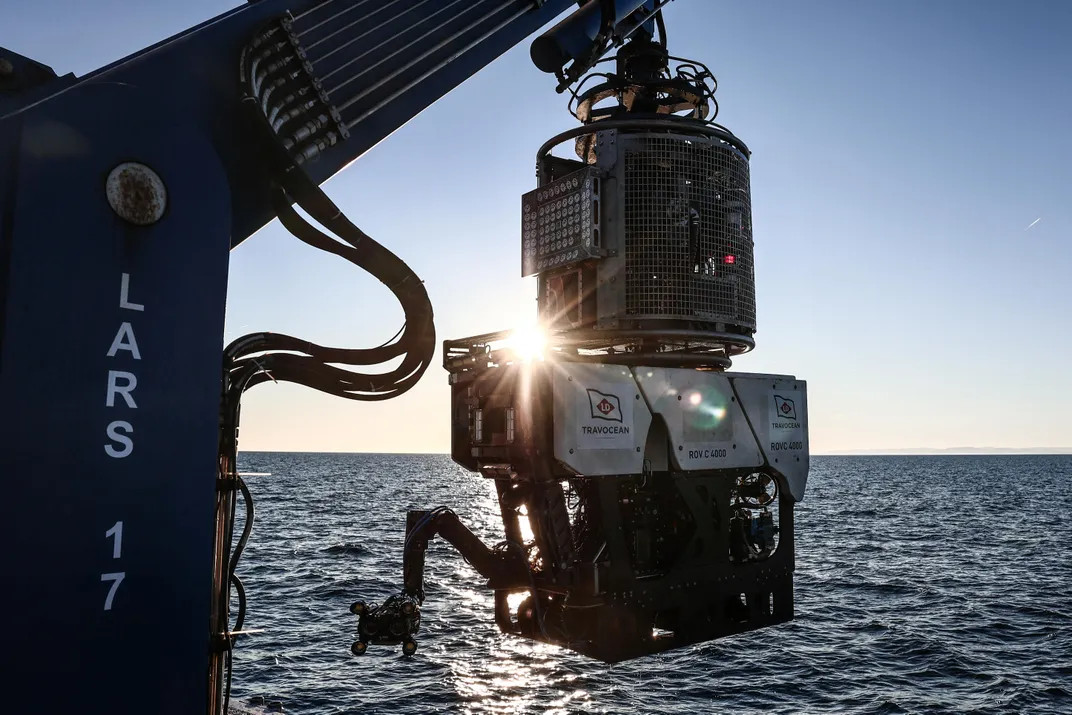
At 2,500 meters down, no human diver can reach the site. The expedition relied fully on an advanced remotely operated vehicle (ROV) capable of operating to 4,000 meters — a unique asset within the French naval fleet. Launched from a navy tug, the robot’s journey to the wreck took about an hour.
Surface-based operator Sebastien, who requested anonymity for security, maneuvered the device cautiously. “Extreme care was necessary to avoid damaging the wreck or disturbing sediment,” he said, according to Smithsonian Magazine. Every pincer movement demanded patience and calculation.
Over multiple hours, the ROV captured photos at eight frames per second, amassing 67,000 images. Scientists stitched these into a detailed 3D photogrammetric map, a pioneering achievement for a wreck at this depth in French waters, as L’Indépendant reported. Topographic markers were also installed to detect future changes, creating a lasting digital reference of the site’s condition during the April expedition.
Careful Recovery from the Ocean’s Abyss
Raising objects from 2,500 meters presents extreme challenges and uncertain outcomes. Sadania noted that around one-third of ceramics recovered from underwater break during retrieval due to unknown pressure impacts and physical stresses.
The team meticulously guided the ROV’s claw to place each artifact into protective containers for the slow ascent. Ultimately, they brought up three pitchers and one plate — a modest but precious find given the depth and fragility.
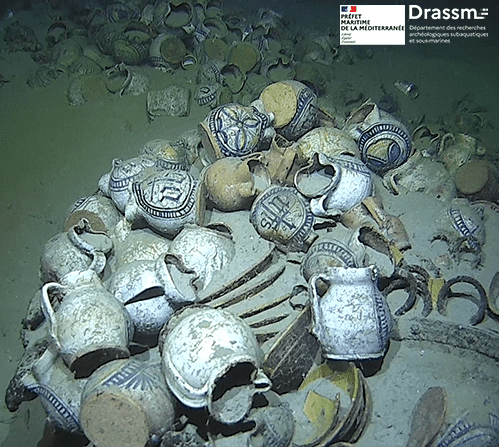
Back in Marseille, Sadania carefully cleaned one pitcher, revealing its striking decoration: dark blue lines crossing the curved body and rectangles filled with turquoise and saffron hues. Conservators are experimenting with innovative preservation techniques suited to objects recovered from such extreme depths, which will guide upcoming excavation efforts.
Both DRASSM and the navy intend to return for further exploration. France’s next deepest known shipwreck is La Minerve, a submarine lost in 1968 at about 2,300 meters off Toulon, with 52 crew aboard.
Modern Debris Entangled with Ancient Wreck
The ROV’s footage uncovered more than Renaissance-era artifacts. Plastic waste, fishing gear, aluminum cans, and yogurt pots have sunk to the wreck site, ensnared within the ship’s aged framework.
One striking image shows what looks like a soda can resting next to an ancient anchor. Arnaud Schaumasse, DRASSM’s director, reflected on the pollution during an earlier press briefing. “The initial thrill of discovery is tempered by the sadness of witnessing such contamination,” he remarked, according to Le Monde.
The navy has kept the wreck’s exact location confidential. The great depth effectively deters any unauthorized visits without specialized deep-sea technology. Researchers aim to expand photogrammetric documentation and may recover additional artifacts. The presence of modern debris will be monitored as part of ongoing preservation efforts, layering today’s challenges over a 500-year-old maritime story.
- Categories:
- News


0 comments
Sign in to Comment