
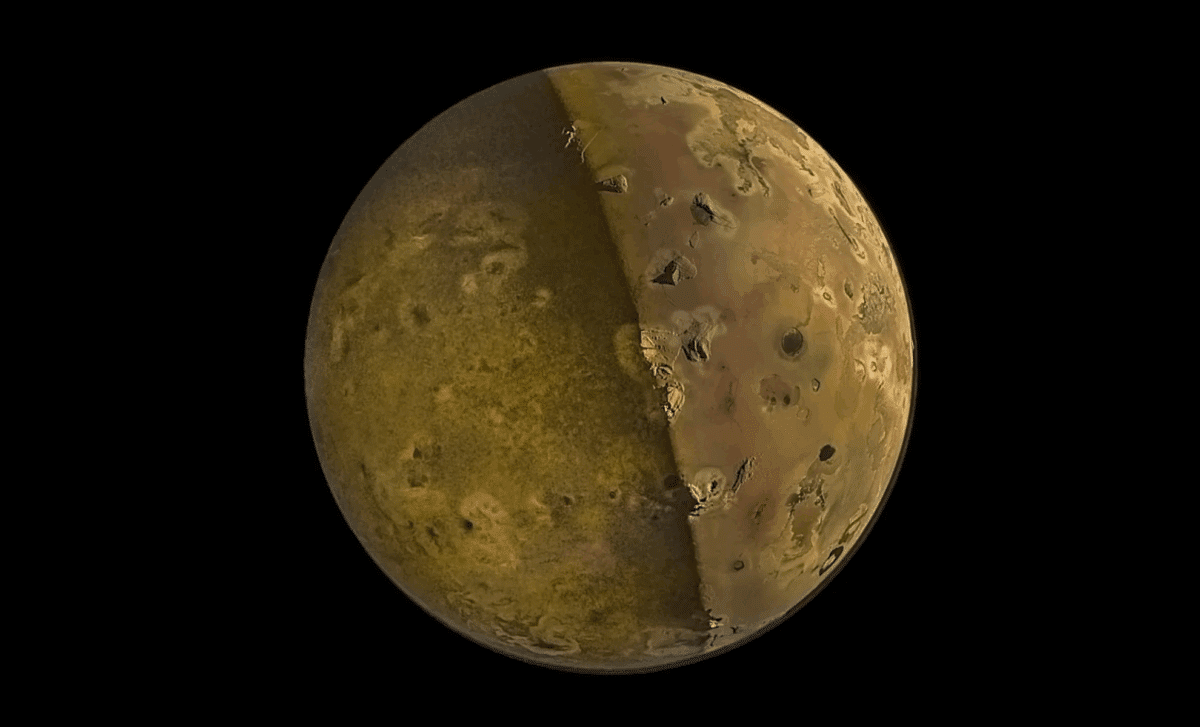
The James Webb Space Telescope (JWST) has offered an extraordinary look at the volcanic fury on Jupiter’s moon Io. New observations have uncovered extraordinary volcanic phenomena, highlighting Io as one of the most geologically active bodies in the solar system. This breakthrough deepens our knowledge of tidal heating and its influence on Io’s ever-changing fiery surface.
Unveiling Io’s Volcanic Fury
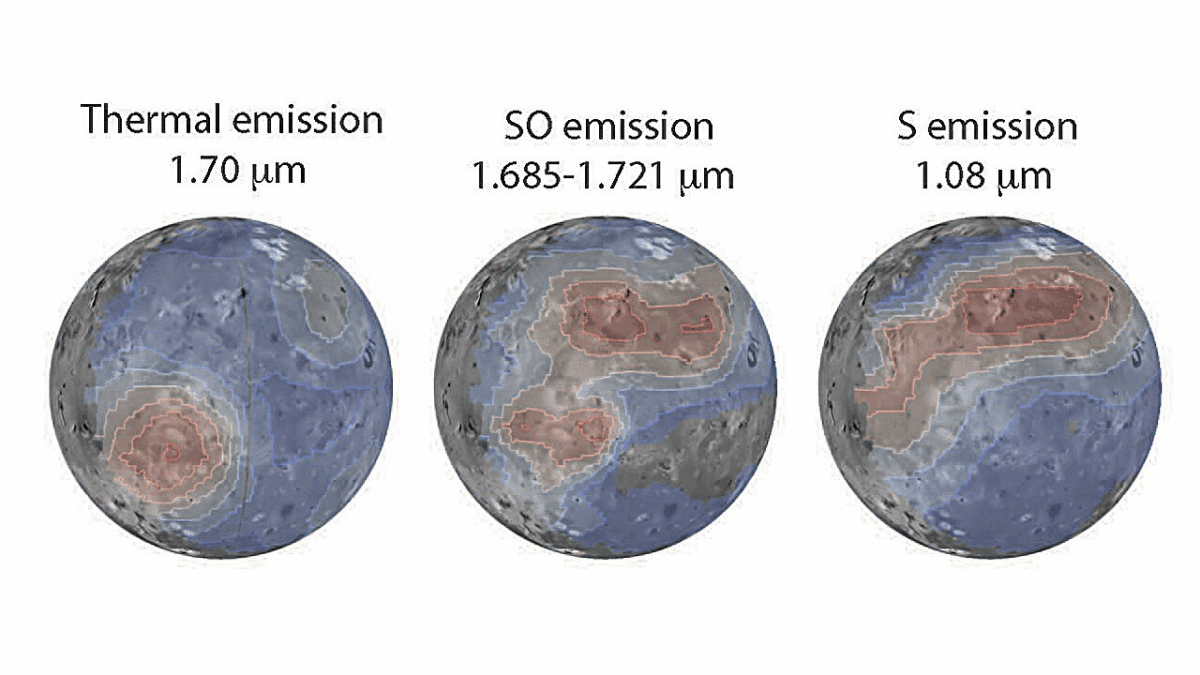
A recent article in the Journal of Geophysical Research characterizes Io as a planet with a volcanic landscape shaped by intense heat and motion. Utilizing Webb’s Mid-Infrared Instrument (MIRI), scientists have charted thermal signatures from numerous volcanic vents peppered across the moon’s turbulent terrain. The telescope’s infrared capabilities cut through Io’s thick sulfur gas clouds, showcasing flowing lava streams and eruption temperatures momentarily rivaling those of small stars.
The volcanic energy detected on Io stems from strong tidal tugging caused by gravitational interactions with Jupiter and its moons Europa and Ganymede. These forces flex Io’s crust continuously, creating internal friction that melts rock into magma. The study proposes that heat movement beneath Io’s crust is more fluid than previously understood, with magma waves traveling under the surface. This could explain why some volcanic areas surge unexpectedly while others remain dormant over long periods.

The Influence of Tidal Interactions
Io experiences unparalleled surface deformation due to its orbit around Jupiter. The moon’s surface is continuously reshaped by tidal forces, causing lava chambers to cyclically inflate and deflate. Thanks to Webb’s detailed infrared observations, researchers can detect subtle temperature fluctuations in real time that ground telescopes miss. These findings suggest the presence of partially molten zones deep in Io’s mantle, which challenge traditional views on tidal heating in rocky satellites.
This mechanism has wider implications beyond Io—it provides a model for studying exoplanets orbiting close to their stars. Similar tidal processes could keep interiors molten on icy exoplanets, indicating that volcanic activity might be prevalent throughout the cosmos. Thus, Io serves as a critical natural laboratory for exploring how planetary heat flows impact geology and potential habitability on distant worlds.
An Actively Changing Volcanic World
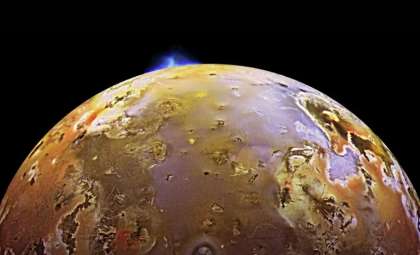
The surface of Io undergoes constant transformation, as powerful eruptions frequently cover it with fresh layers of sulfur compounds, renewing its landscape every few years. Some volcanic plumes reach hundreds of miles above the surface, depositing vibrant colors across Io’s plains once the material falls back. Webb’s observations over multiple sessions highlight significant variations in the moon’s thermal energy output, suggesting dynamic changes in its internal magma reservoirs.
These fluctuations hint at a complex subterranean network of magma channels, storage zones, and vents extending across hundreds of kilometers. By combining new data from Webb with information from previous missions like Galileo and Juno, scientists are building a comprehensive history of Io’s volcanic activity spanning billions of years. Although Io’s intense radiation exposure complicates direct exploration, Webb’s remote sensing continues to unlock secrets of this fiery satellite.
- Categories:
- Space








0 comments
Sign in to Comment