
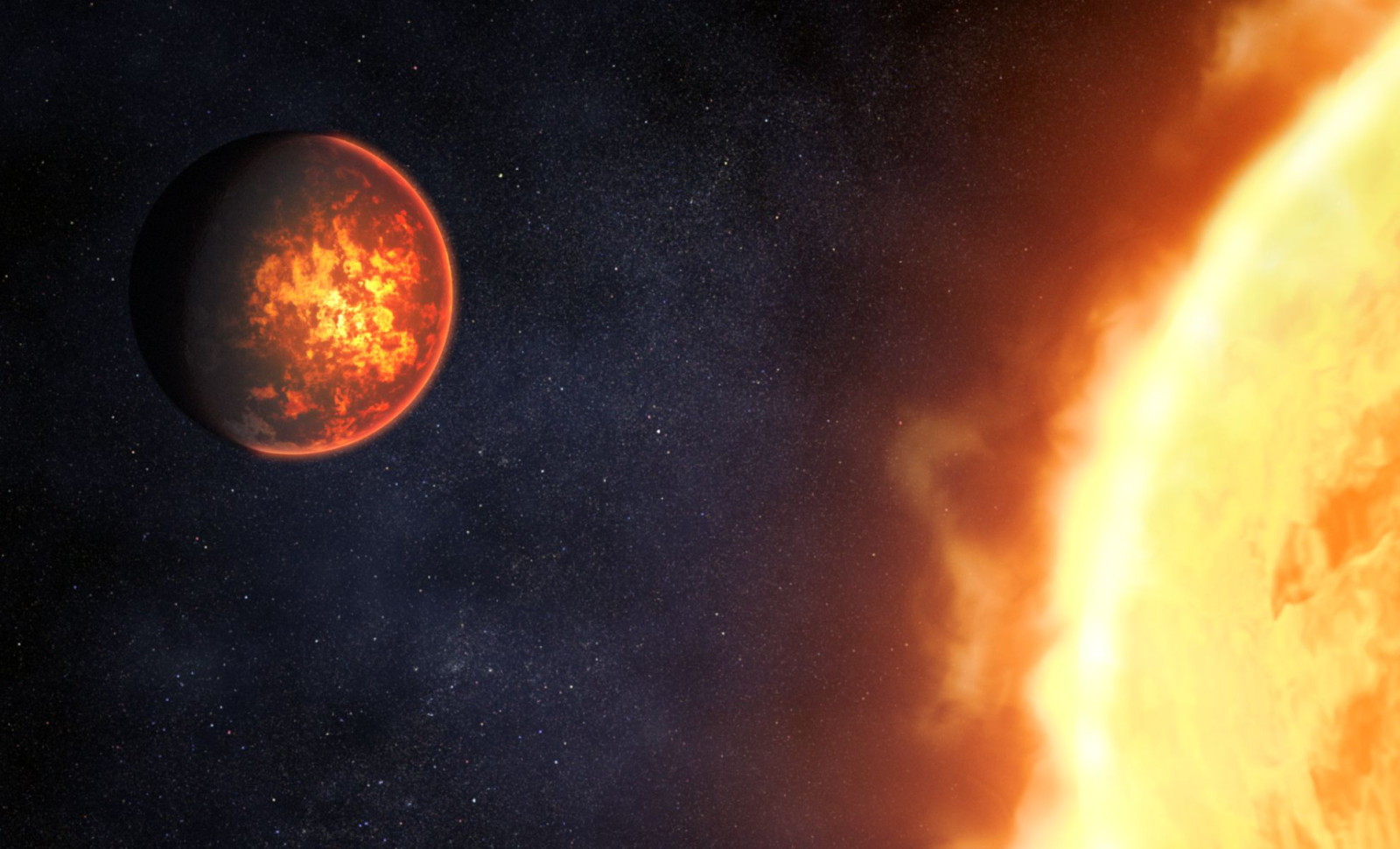
NASA’s James Webb Space Telescope has provided fresh insights into the atmosphere of 55 Cancri e, a rocky exoplanet located approximately 41 light-years from Earth. The observations reveal a hydrogen-rich atmosphere connected to the planet’s molten interior. Scientists analyzed data from five eclipses captured by Webb and compared the findings against established models for molten rocky planets.
These findings suggest the atmosphere is actively influenced by gases released from beneath the surface rather than being a stable external layer. Lava planets are an emerging research focus as more scorching exoworlds are cataloged. This latest study, submitted to Nature Astronomy, examines the interplay between 55 Cancri e’s atmospheric composition and its internal geochemistry.
A Tightly Orbiting Super-Earth with a Molten Landscape
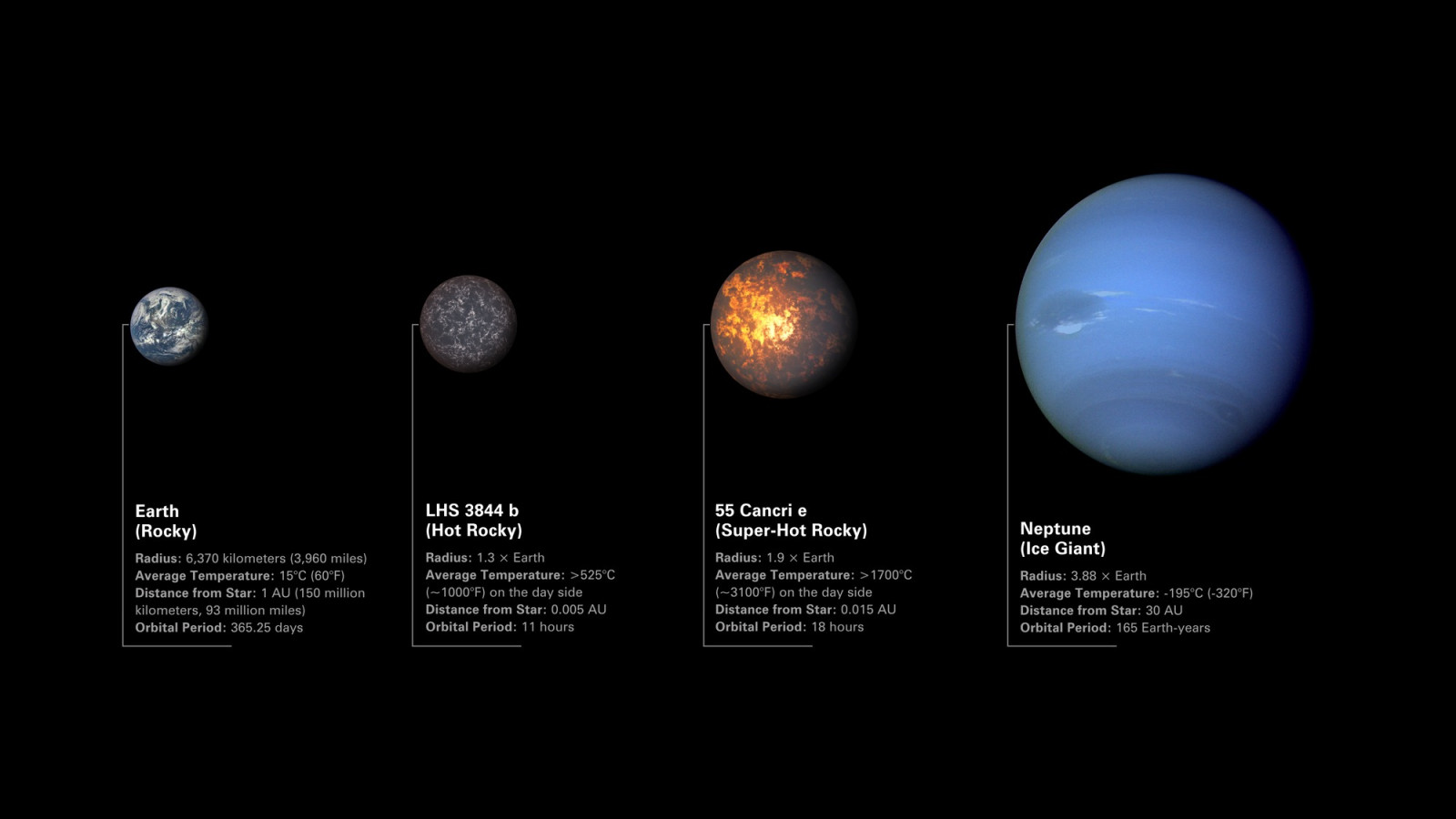
55 Cancri e spans about 1.88 times Earth’s radius and holds roughly eight Earth masses. It orbits a star similar to the Sun in just 0.7 days and is tidally locked, keeping one face perpetually turned towards its star. NASA notes the planet’s close proximity likely results in surface temperatures hot enough to melt rock.

To explore this world, astronomers observed five secondary eclipses using JWST, then contrasted their measurements with long-standing theoretical predictions for lava planet atmospheres. The paper, published on arXiv, explains that conventional models anticipate atmospheres dominated by carbon monoxide and carbon dioxide.
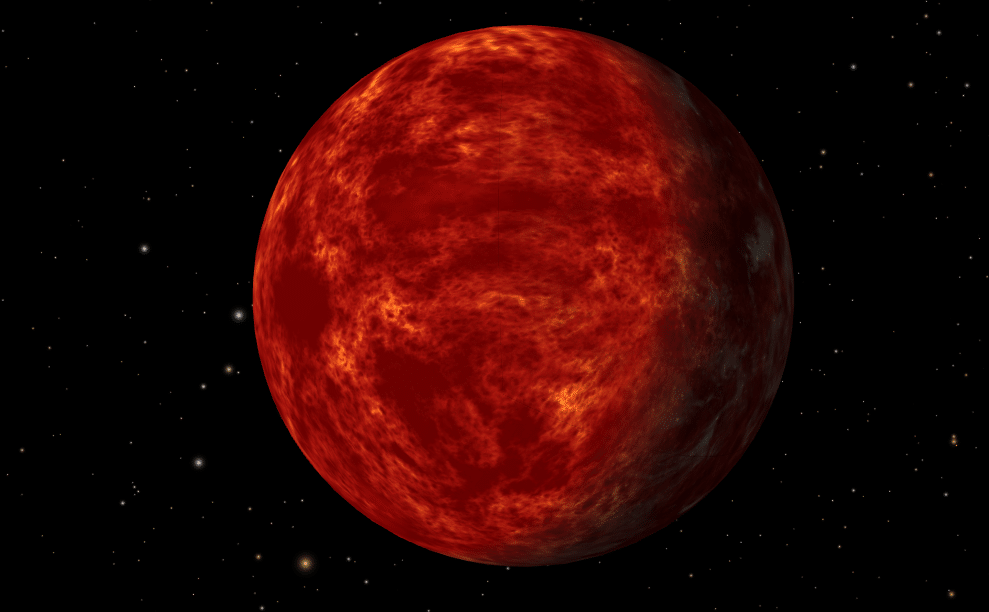
Contrary to expectations, the telescope’s data indicate the atmosphere mostly consists of carbon monoxide, with smaller proportions of carbon dioxide and a significant presence of hydrogen. Variations seen over multiple eclipses may stem from volatile gases venting to the surface or transient clouds forming and dissipating, momentarily cooling the environment.
Insights into the Planet’s Interior Chemistry
The detected gases offer clues about the processes occurring beneath 55 Cancri e’s surface, granting a rare window into its molten interior.
“Since secondary atmospheres of rocky planets are set by the composition of the interior and subsequent outgassing, the composition of their atmospheres is directly linked to their interior redox states,” the researchers write.
Further analysis suggests the planet’s interior harbors more hydrogen relative to oxygen.
“The preference for hydrogen-rich models, together with the steep inversions they produce, therefore suggests an interior with relatively low oxygen fugacity, consistent with outgassing from a reduced magma ocean.”
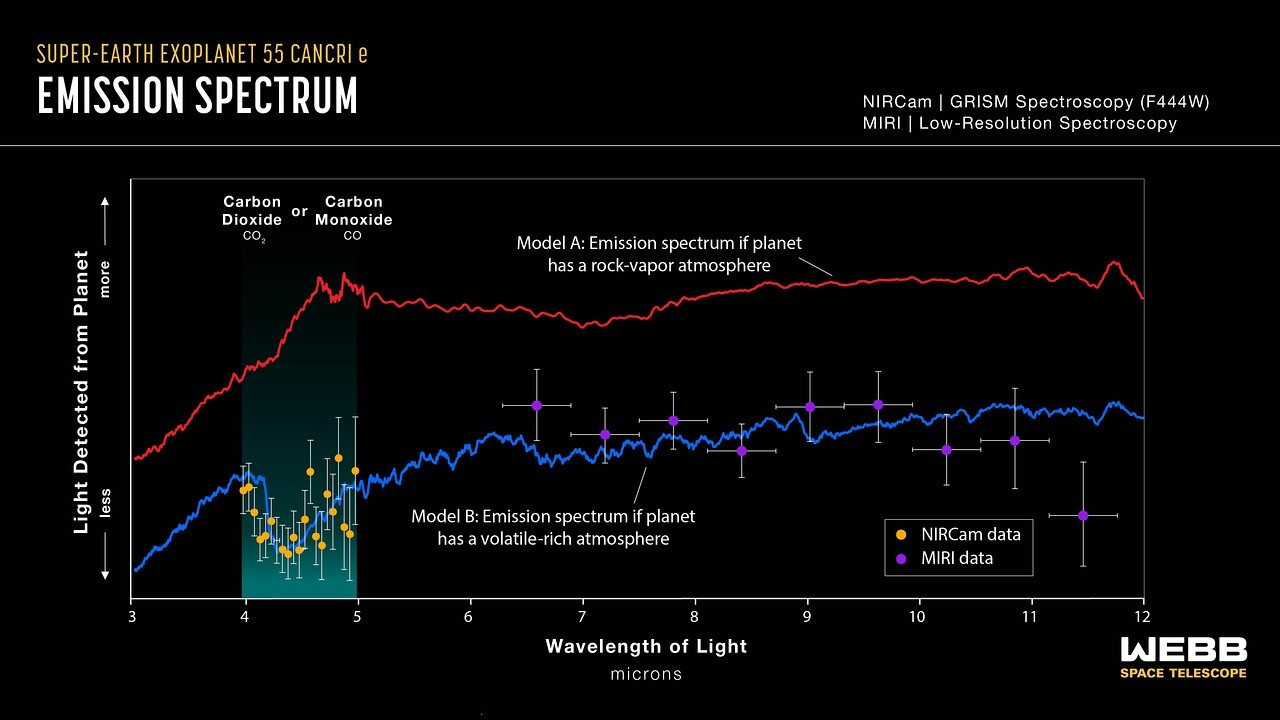
The study’s authors conclude that this chemical makeup is consistent with JWST’s observations and supports the idea that continuous outgassing from the molten interior shapes the planet’s atmosphere.
Growing Studies of Lava Exoplanets
Discovered back in 2004, 55 Cancri e now belongs to a broader collection of confirmed lava worlds, including K2-141 b, L 98-59 d, TOI-561 b, HD 63433 d, and CoRoT-7 b.
All these planets orbit extremely close to their stars and are tidally locked, enduring severe heat. Their orbital durations vary between around 6.7 hours and 7.5 days. Like 55 Cancri e, they endure temperatures sufficient to maintain extensive molten surfaces. While 55 Cancri e likely harbors molten rock concentrated on its star-facing side, some lava worlds such as L 98-59 d may be enveloped by a global magma ocean.
These exoplanets differ from Jupiter’s volcanic moon Io. Io’s intense volcanism is powered by gravitational tidal forces from Jupiter, whereas lava planets generate volcanic activity due to their proximity to host stars, producing extreme heat.
- Categories:
- Astronomy










0 comments
Sign in to Comment