
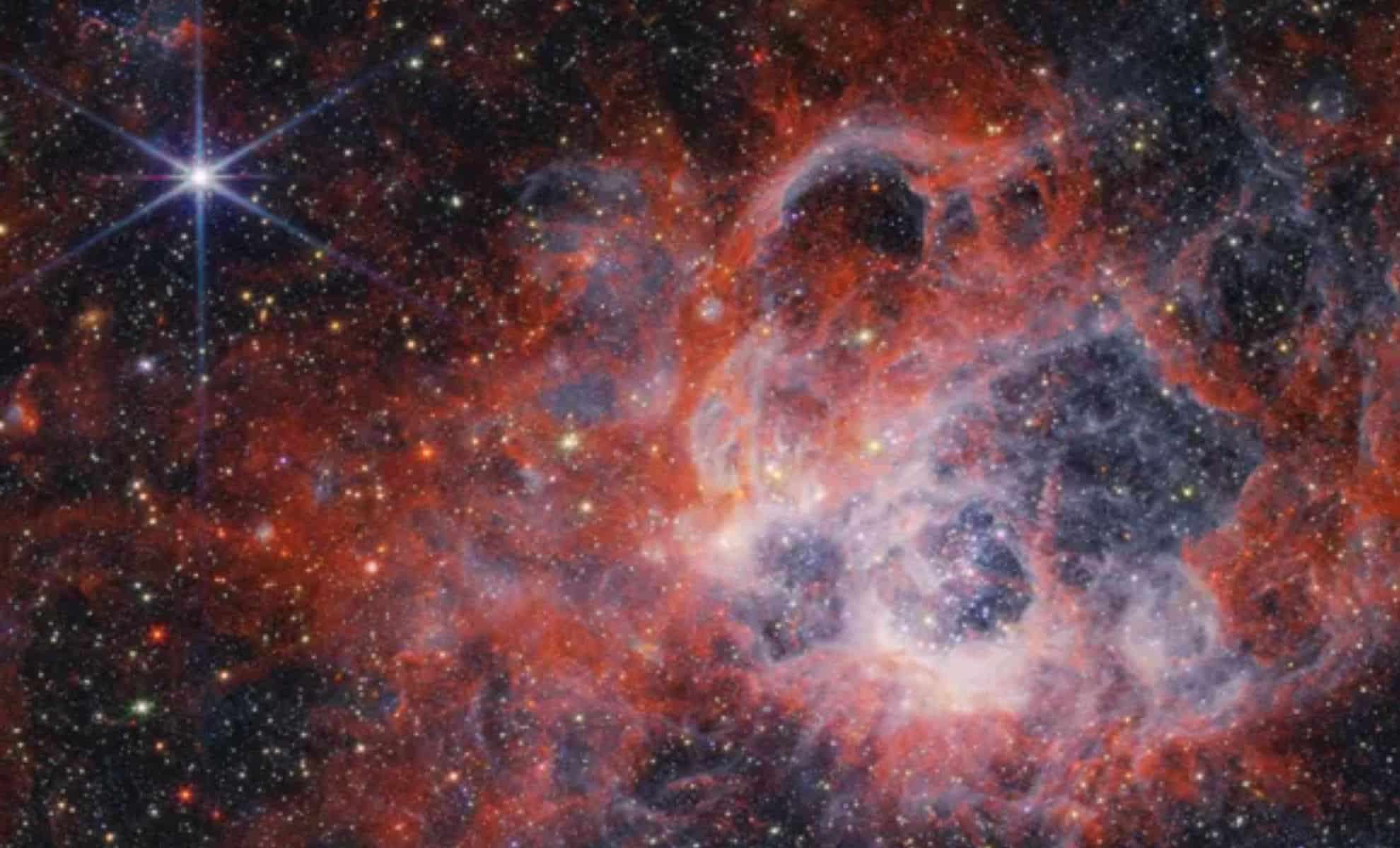
Scientists have uncovered a population of inactive galaxies dating back to the universe’s infancy, challenging current models of cosmic development. Utilizing the unparalleled capabilities of the James Webb Space Telescope (JWST), researchers identified galaxies that had halted their star formation much earlier than expected. These “sleeping” galaxies could provide vital insights into galaxy life cycles and their potential revival in the future.
A recent study shared on arXiv, led by Alba Covelo Paz, a PhD candidate at the University of Geneva, represents a collaborative effort of astronomers worldwide. Their observations reevaluate prevailing ideas about how galaxies grow and evolve, particularly concerning the pauses and bursts in star creation.
A Striking Discovery: Dormant Galaxies in the Universe’s Youth
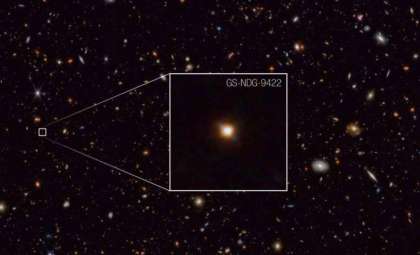
Initial JWST explorations aimed to capture galaxies abundant in newborn stars—a signature of the early cosmos. Instead, the telescope exposed a surprising cadre of galaxies that had ceased star production entirely. Termed “Sleeping Beauty” galaxies, these systems seem to be in a temporary state of dormancy, defying earlier expectations that early galaxies would continuously birth stars thanks to plentiful cosmic gas.

JWST’s detection in the near-infrared revealed that within the first billion years after the Big Bang, some galaxies had already entered a quiescent phase. This pause in star formation occurred far sooner than theoretical forecasts suggested, and research indicates these galaxies might reignite star formation with changing cosmic conditions.
What Causes Galaxies to Freeze Star Formation?
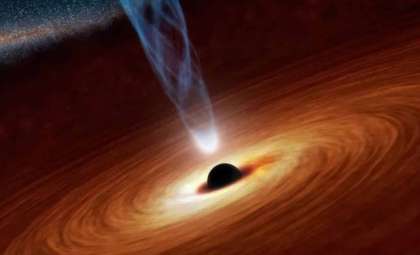
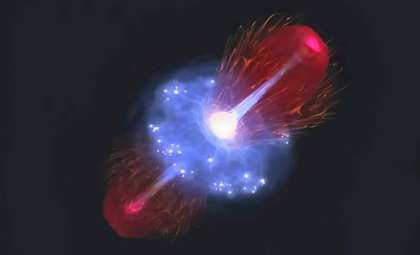
Investigators led by Covelo Paz delved into the mechanisms behind these early star formation stoppages. One key factor appears to be the energetic influence of supermassive black holes, which can produce intense radiation that warms nearby gas, hindering it from condensing into stars.
Moreover, galactic interactions such as collisions can strip galaxies of the cold gas necessary for forming stars. Stellar-driven phenomena—like supernova explosions and intense stellar winds—also expel gas, triggering temporary pauses in star creation.
“This phase generally lasts roughly 25 million years,” noted Alba Covelo Paz, highlighting the significance of this intermittent pause in the broader narrative of galaxy evolution.
Varied Dormant Galaxies Revealed
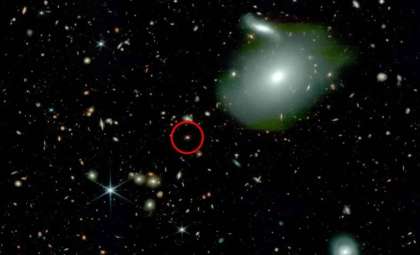
Prior to JWST, dormant galaxies from the cosmos’s early era were rare finds. Leveraging JWST's spectroscopic power, the team examined over 1,600 galaxies and identified 14 dormant ones ranging widely in mass—from 40 million up to 30 billion times the mass of our sun. This challenges prior beliefs that quiescent early galaxies were confined to either very small or extremely large scales.
“We discovered 14 candidates that demonstrate this bursty star formation pattern, all having stopped forming stars between 10 and 25 million years before observation,” Paz explained. This groundbreaking evidence suggests that star formation might cycle through fits of activity and rest more widely than thought.
Understanding the Pulsed Rhythm of Star Formation
These findings indicate that early galaxy evolution may be governed by a stop-and-start rhythm, or “burstiness,” where periods of prolific star creation alternate with quiet intervals. According to Paz, the dormancy phase lasts on average about 25 million years, forming part of a cycle influenced by various internal dynamics and environmental effects.
Nevertheless, long-term outcomes for these dormant galaxies remain uncertain. “Without knowing how enduring the dormancy is, if it extends another 50 million years, the reasons behind the quenching could be entirely different,” Paz cautioned. This raises questions about whether some galaxies may remain inactive permanently, potentially marking an end to their star-forming era.
- Categories:
- News



0 comments
Sign in to Comment