
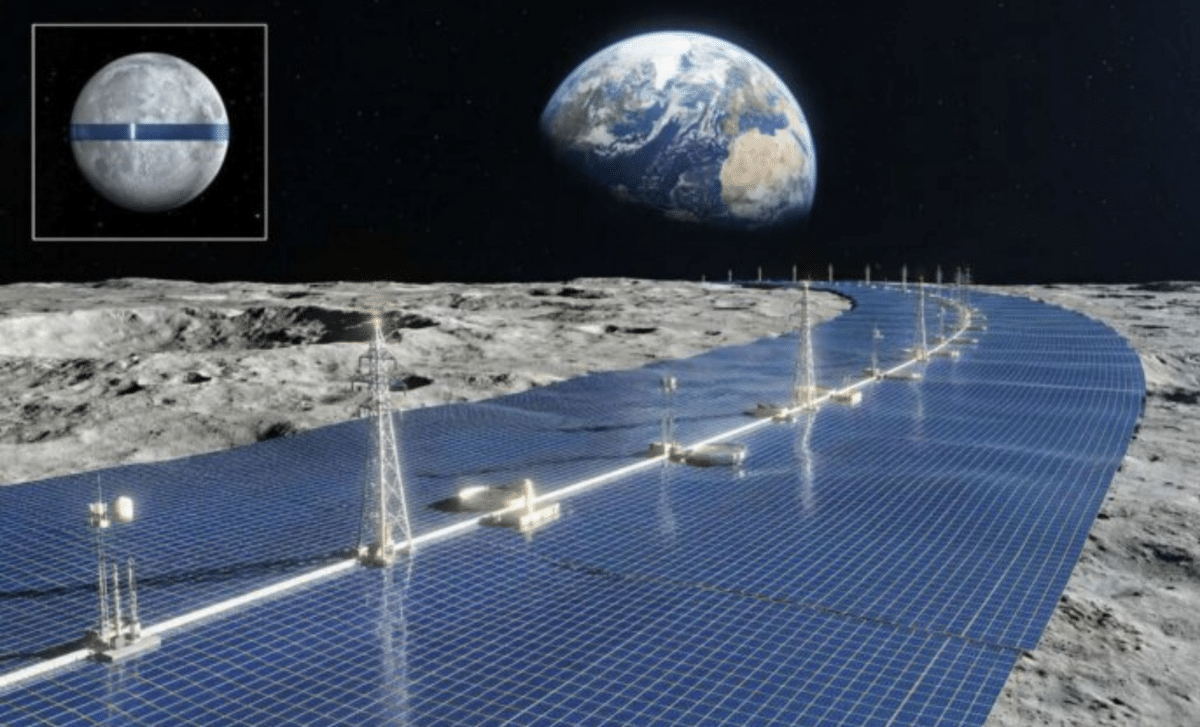
As global demand for sustainable energy intensifies, Shimizu Corporation, a leading Japanese firm, has unveiled a visionary plan to tap into the Moon’s abundant energy resources.
According to Shimizu Corporation, the proposed initiative could revolutionize global energy consumption. Dubbed the Luna Ring, the project aims to envelop the Moon's equator with a 250-mile-wide belt of solar panels designed to capture sunlight and transmit power back to Earth through advanced microwave and laser technologies.
This ambitious endeavor promises an unceasing flow of clean energy, offering a potential end to dependence on fossil fuels and nuclear power. The Luna Ring presents a bold step closer to making sustainable energy an achievable standard worldwide.

Luna Ring: Pioneering a New Era of Renewable Energy
Shimizu Corporation’s Luna Ring concept transcends traditional energy ideas by merging space technology with renewable power solutions. The company envisions the structure as an innovative means to satisfy escalating clean energy needs. This continuous solar array would consistently collect solar radiation irrespective of lunar night cycles or Earthly weather fluctuations. “A shift from economical use of limited resources to the unlimited use of clean energy is the ultimate dream of all mankind,” the official website states.
The projected output of the Luna Ring could reach an astonishing 13,000 terawatts, exceeding Earth’s current consumption by a vast margin. For context, the US total installed electricity capacity is just over 1,000 gigawatts. Such a prolific source could significantly lessen reliance on non-renewable energy and help curb environmental damage caused by conventional generation.
Robotics and Infrastructure: Building a Lunar Power Grid
The construction of the Luna Ring would hinge on sophisticated robotics, AI systems, and lunar infrastructure. The proposal envisions autonomous robots assembling and preparing the site by leveling lunar landscapes and installing solar units. These machines would be remotely managed from Earth, ensuring operational accuracy and safety in the Moon's challenging environment.
BREAKING🚨: Japan is planning to build a solar ring around the Moon that will power Earth forever pic.twitter.com/oxndqoj4nh
— All day Astronomy (@forallcurious) January 31, 2026
This project would span roughly 6,800 miles along the lunar equator, an immense undertaking by any standard. However, Shimizu holds confidence that breakthroughs in space technology could enable completion by 2035.
Energy Transfer: Beaming Power Using Lasers and Microwaves
One of the most impressive facets of the Luna Ring is its method for relaying the harvested solar energy to Earth. Given the transparency of Earth's atmosphere to microwaves and laser beams, Shimizu intends to employ these technologies to transmit power efficiently. Lunar-based transmitters would beam energy towards terrestrial receiving stations, where it would be converted into electricity for distribution.
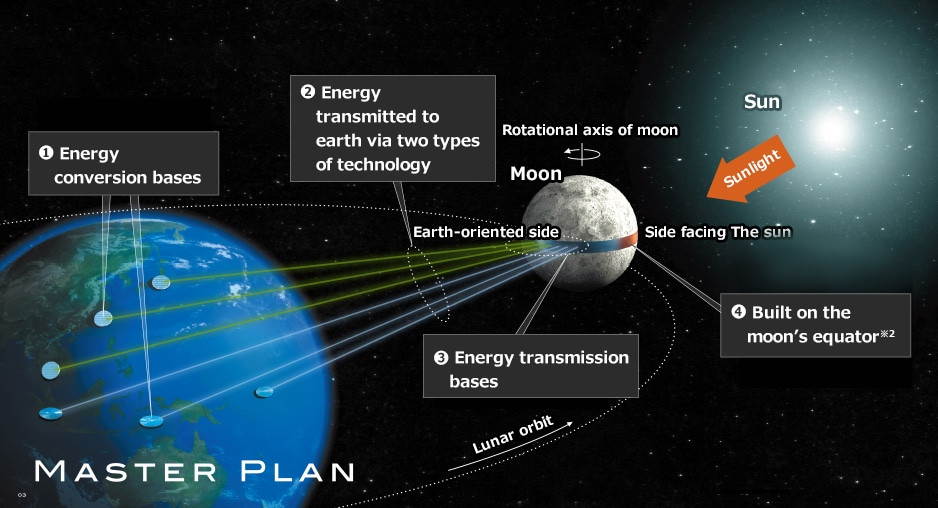
While space-based solar power concepts have been explored previously, the Luna Ring elevates this approach by aiming for a continuous, large-scale operation. The steady orbital motion of the Moon would ensure a predictable and unbroken flow of energy to various international receiving sites. Successfully implementing this could revolutionize solar power capabilities globally.
Environmental Advantages: Advancing Toward a Cleaner Planet
The environmental impact of the Luna Ring could be transformative. As climate concerns mount, drastically cutting carbon emissions from energy production is critical. Transitioning from fossil fuels and nuclear power to consistent clean solar energy from space would mark a substantial victory against global warming and pollution.
Beyond supplying green energy, the Luna Ring infrastructure could facilitate future lunar mining efforts, enabling extraction of metals and other materials. This could extend humanity's presence in space while reducing pressure on Earth’s finite resources.
Challenges and the Road Ahead
Despite its promise, the Luna Ring project faces significant obstacles. Constructing such an expansive structure on the Moon brings both technical and financial challenges.
Costs would likely reach into the trillions of dollars, necessitating unprecedented international partnerships and financing. Additionally, the project must address lunar dust contamination and debris management to ensure long-term functionality.
Nevertheless, Shimizu Corporation maintains optimism that advancing technologies over the next decade will pave the way for realizing the Luna Ring. Though still conceptual, this initiative offers a tantalizing glimpse of a future where space-based energy systems power a sustainable world.
- Categories:
- Science












0 comments
Sign in to Comment