
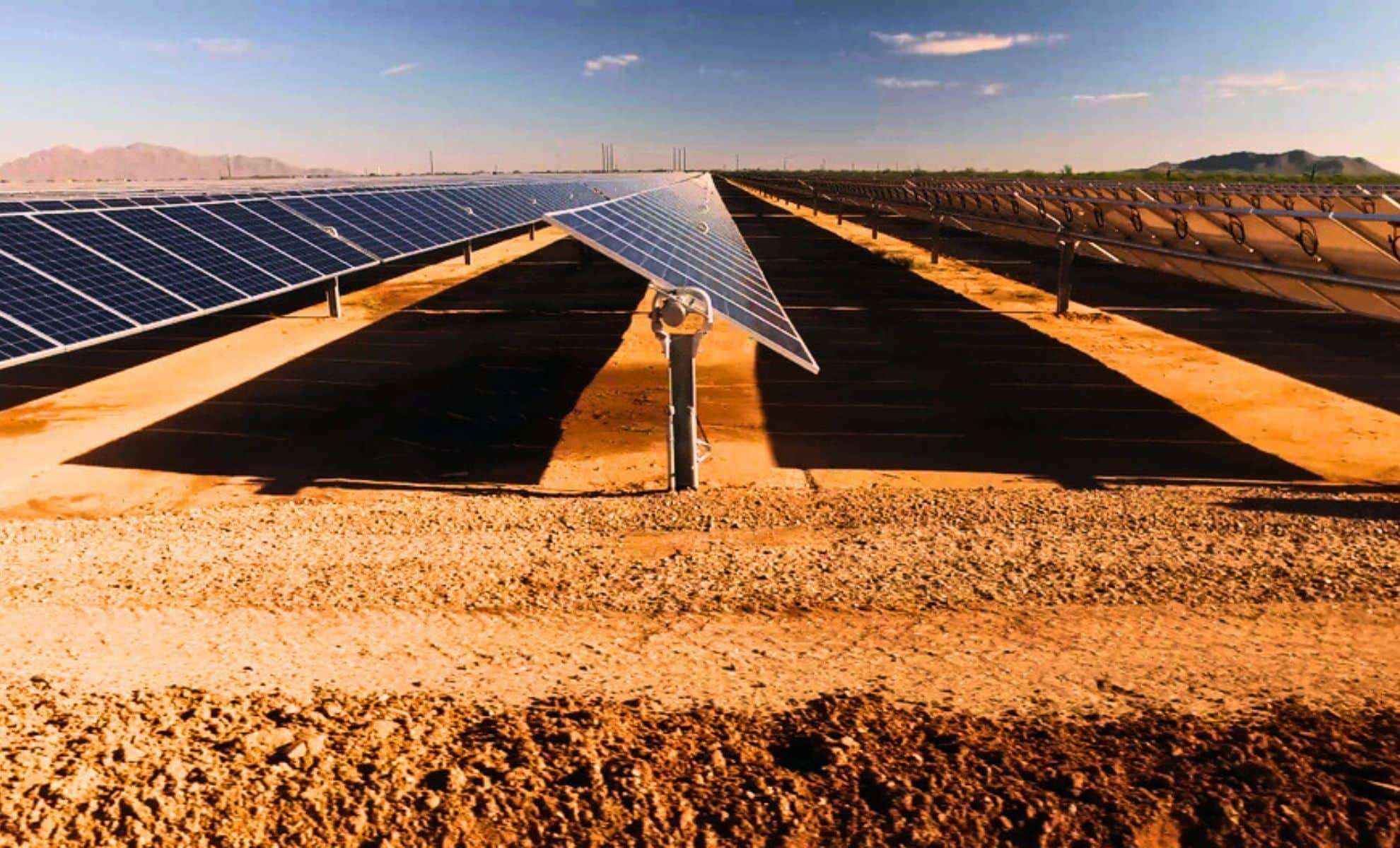
Expansive solar installations in China’s desert regions are generating immense electricity while simultaneously altering the delicate environments beneath their panels, as shown by recent scientific investigations. A new report in Scientific Reports examines the Gonghe Photovoltaic Park within Qinghai’s Talatan Desert and reveals that solar panel arrays can create cooler, moister, and greener local conditions. Although the long-term consequences remain unclear, these insights question the belief that renewable energy developments leave arid ecosystems unaffected.
Insights From Qinghai’s Talatan Desert
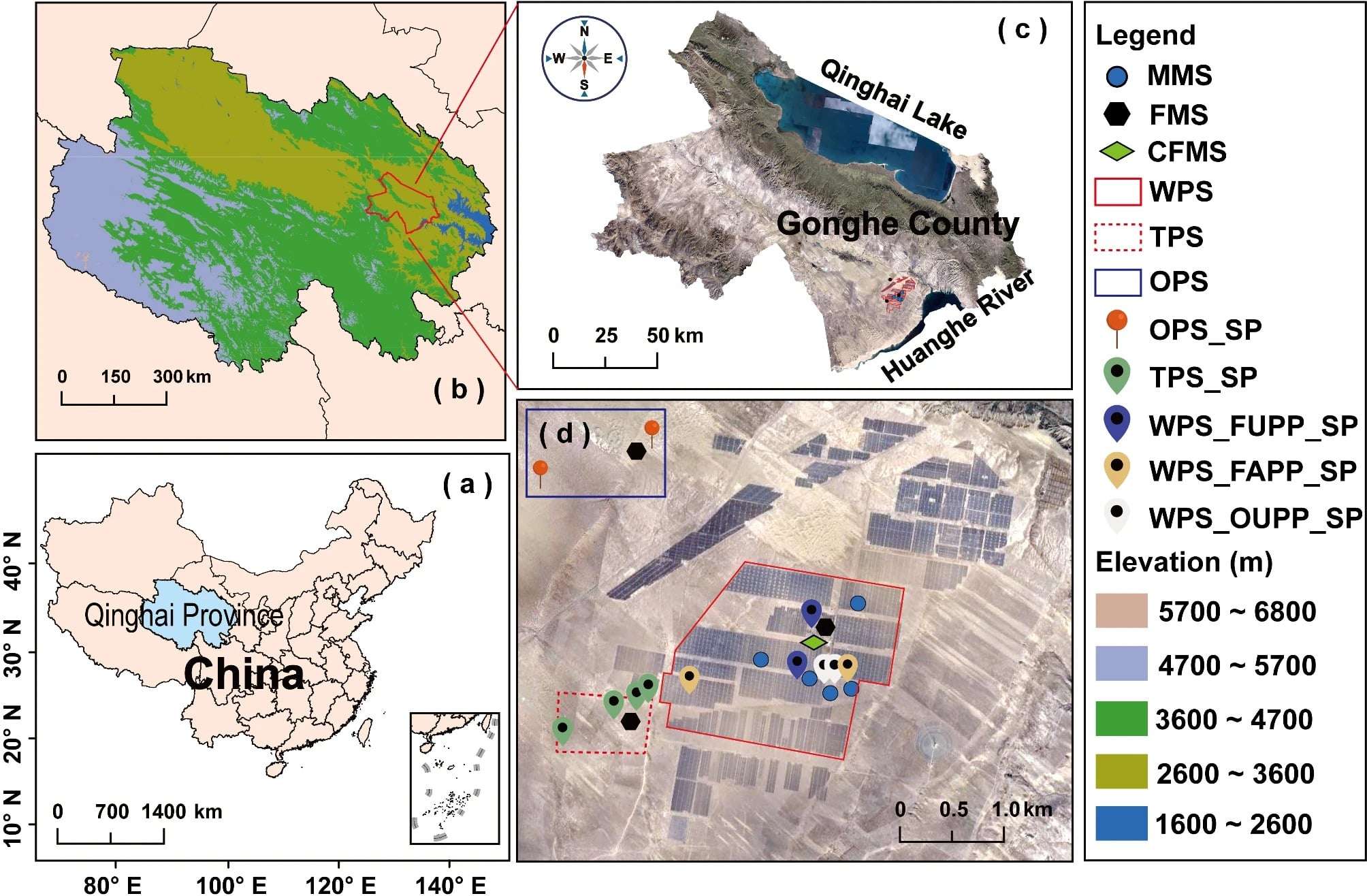
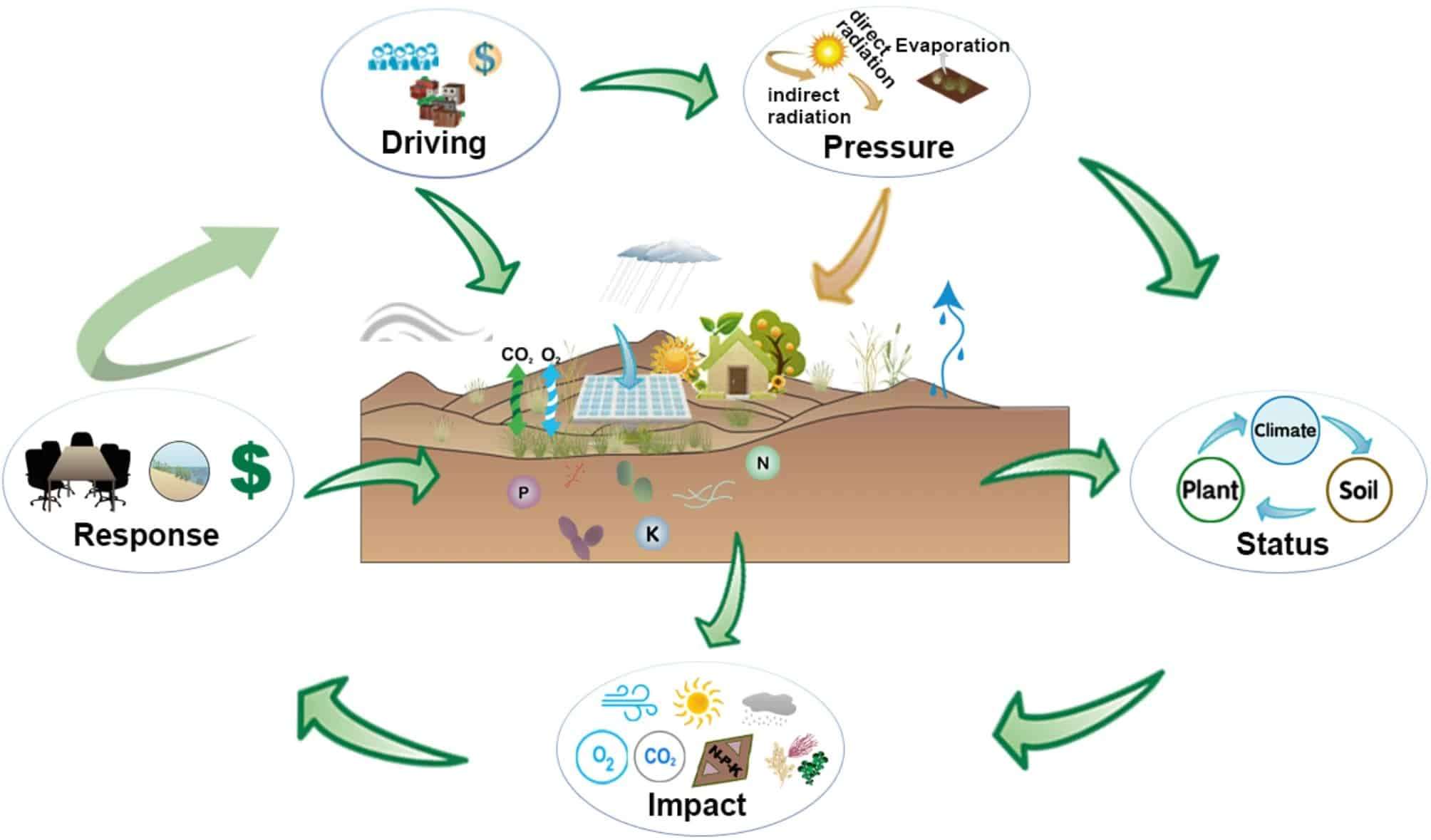
Scientists working in Qinghai employed the comprehensive DPSIR ecological assessment framework, encompassing 57 indicators (Drivers, Pressures, State, Impact, Response), to evaluate environmental shifts inside and outside the solar farm area. Their findings were notable. The ecological health index within the solar park measured 0.4393, significantly higher than the 0.2802–0.2858 range detected in surrounding desert lands.
This elevated score corresponds to better soil quality, improved water retention, and signs of vegetation revival. The study attributes these improvements to shading by the panels, which lowers surface temperatures and reduces evaporation rates—resulting in a stabilized microenvironment conducive to plant and microbial survival. While this does not restore desert landscapes wholesale, it represents a tangible shift in ecological conditions.

One researcher highlighted, “The presence of solar panels modifies the energy balance near the surface. We observe increased biological activity beneath the arrays compared with the barren desert beyond.”
Desert Climate Changes Driven by Solar Panel Arrays
The process driving these effects is straightforward yet impactful. Solar panels block sunlight during daylight hours, lowering the temperature of the ground and curbing moisture loss from the soil. At night, they trap outgoing long-wave radiation, resulting in a warmer environment beneath the panels than the exposed desert floor. This leads to a reversed diurnal temperature pattern: cooler under panels when the sun is up and warmer after dark.
These microclimate alterations have been documented in various locales. A yearlong study at a large-scale facility in Gansu Province, reported in Atmosphere, observed consistent variations in air and soil temperatures, soil moisture, and humidity near and beneath solar modules compared to reference areas. Similarly, investigations in the Gobi Desert, detailed in Solar Energy, confirmed moderations in soil temperature and airflow patterns around panel rows.
Although subtle, these changes can have a significant impact in arid zones, where even minor boosts in soil moisture can promote enhanced plant resilience.
Opportunities and Challenges in Desert Ecosystem Repair
This research prompts an intriguing possibility: could solar farms also aid ecosystem restoration in deserts? Findings from Qinghai suggest some increased greenery inside the installations, particularly when coupled with deliberate efforts in soil and water management. However, solar energy infrastructures are not without their ecological costs. The positive effects are influenced by the locale, panel positioning, spacing, and ongoing site management.
Experts caution about pitfalls when systems are not optimally designed, as solar farms may disrupt habitats, change surface reflectivity (albedo), and redistribute dust. Research published in Renewable Energy shows that large solar complexes can affect surface heat patterns with consequences that extend beyond their perimeters. Thus, ecological benefits remain highly dependent on specific site variables.
Nevertheless, the idea that industrial-scale renewable projects might contribute to rehabilitating degraded land signals a notable change in perspectives on the environmental footprint of clean energy.












0 comments
Sign in to Comment