
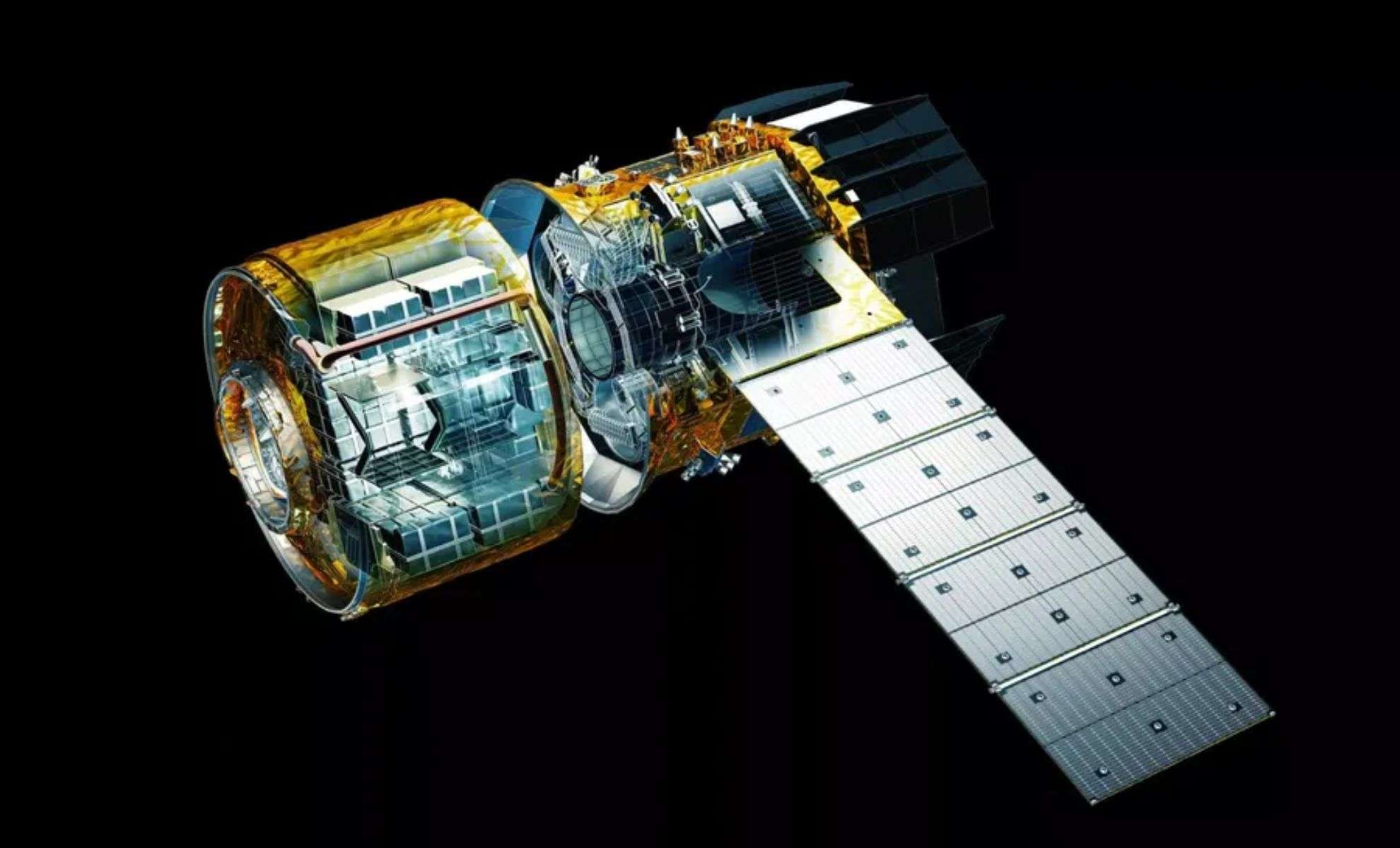
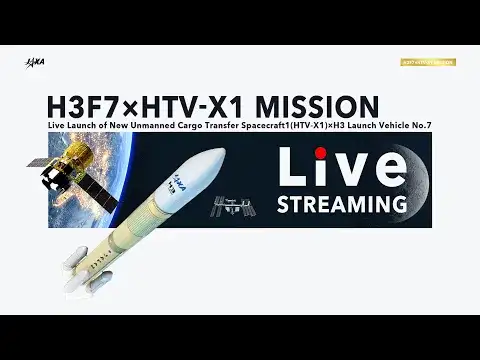
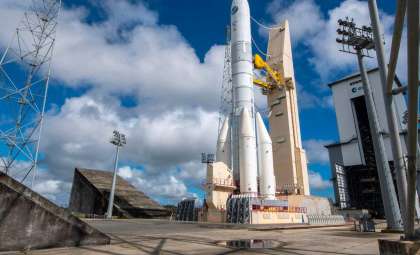
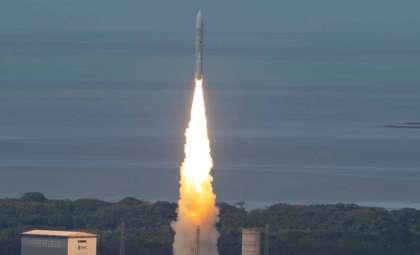
Japan is preparing to launch the HTV-X cargo spacecraft for its first mission to the International Space Station (ISS) later today, around 8 p.m. The new vessel is designed to succeed the earlier H-II Transfer Vehicle (HTV) and promises enhanced performance in transporting supplies and showcasing new technologies in orbit, reports Space.com.
Developed by Mitsubishi Heavy Industries under JAXA's direction, the HTV-X marks a significant upgrade in Japan's ISS resupply fleet. The craft is more compact while maintaining equal payload capacity, and its design emphasizes adaptability, potentially enabling missions beyond Earth’s orbit in the future.
An Enhanced Cargo System with Broader Mission Capabilities
The HTV-X serves as a direct replacement for the initial HTV, also referred to as Kounotori. Although roughly 1.2 meters shorter than its predecessor, it can deliver similar payloads, approximately 6,000 kilograms, to low Earth orbit. Upgrades include state-of-the-art avionics, a lighter structure, and interior modularity, allowing for varied cargo configurations.

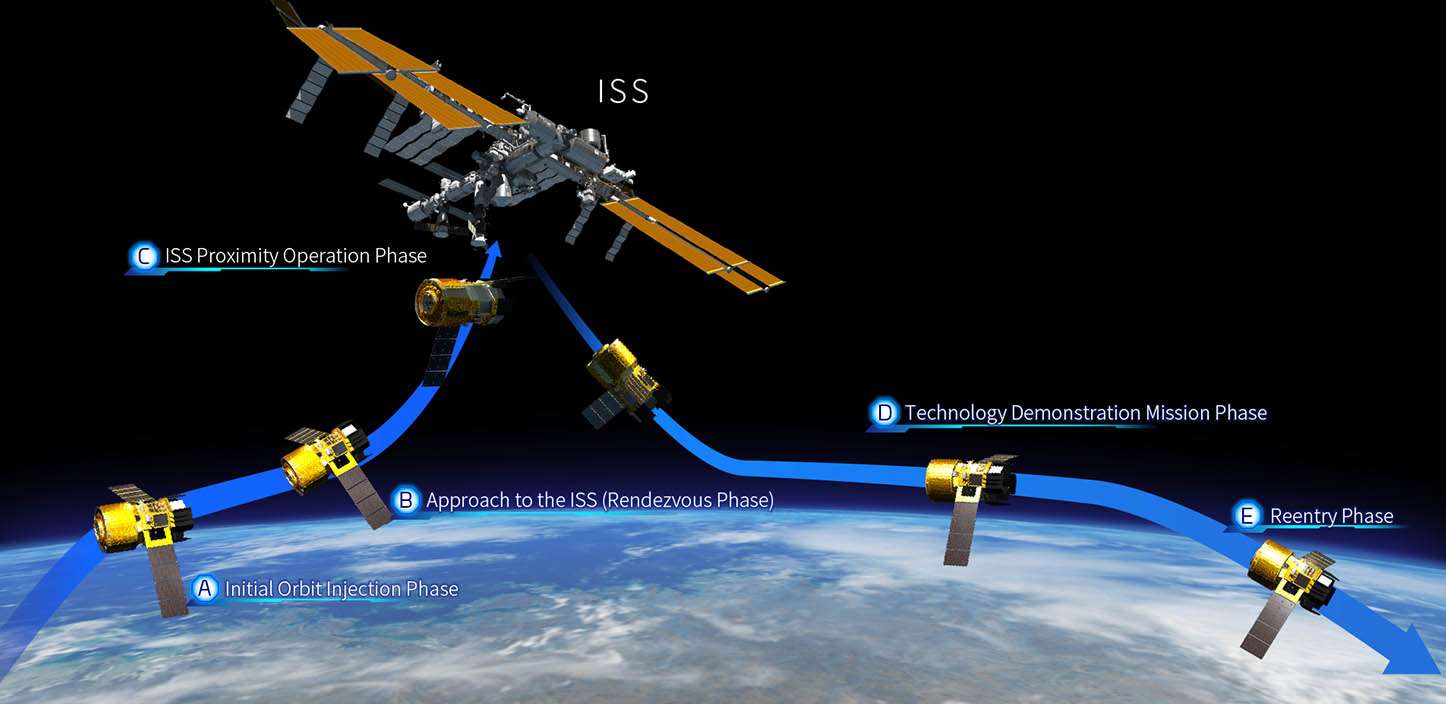
Unlike the previous HTV, the HTV-X can stay active in orbit for up to 18 months after detaching from the ISS. This extended operational span opens doors for applications like in-space experiments and demonstration of emerging technologies. Mitsubishi Heavy Industries highlights this feature as catering to both governmental and private sector requirements.
A New Addition to ISS Cargo Vehicles
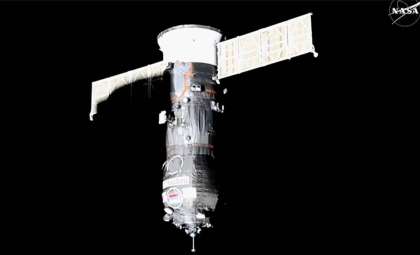
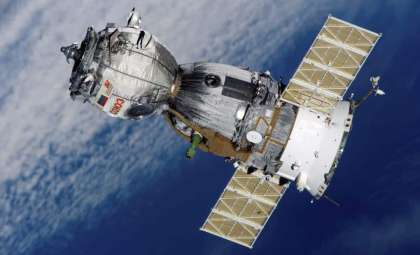
With this launch, HTV-X becomes part of the active ISS cargo fleet alongside Russia’s Progress, Northrop Grumman’s Cygnus, and SpaceX’s Dragon. Notably, Dragon is the only reusable spacecraft in this group; the others, including HTV-X, are intended for single-use missions that conclude with reentry into Earth's atmosphere.
The introduction of HTV-X diversifies the cargo supply options for the ISS, offering sustained orbital capabilities to international partners. It replaces Japan’s HTV series, which completed nine missions between 2009 and 2020. JAXA representatives stress that HTV-X symbolizes Japan’s enduring dedication to autonomously supporting space station logistics.
Progressing Toward Logistics Beyond Earth Orbit
While currently tasked with ISS resupply missions, HTV-X has been engineered for more versatile roles. JAXA envisions the spacecraft supporting activities in low Earth orbit and possibly participating in NASA’s planned Gateway lunar orbit station, part of the Artemis lunar exploration initiative.
JAXA states HTV-X’s modularity and mission flexibility position it as a potential asset for future space infrastructure after the ISS era, aligning with global objectives for ongoing human presence in space across multiple destinations.
- Categories:
- Space




0 comments
Sign in to Comment