
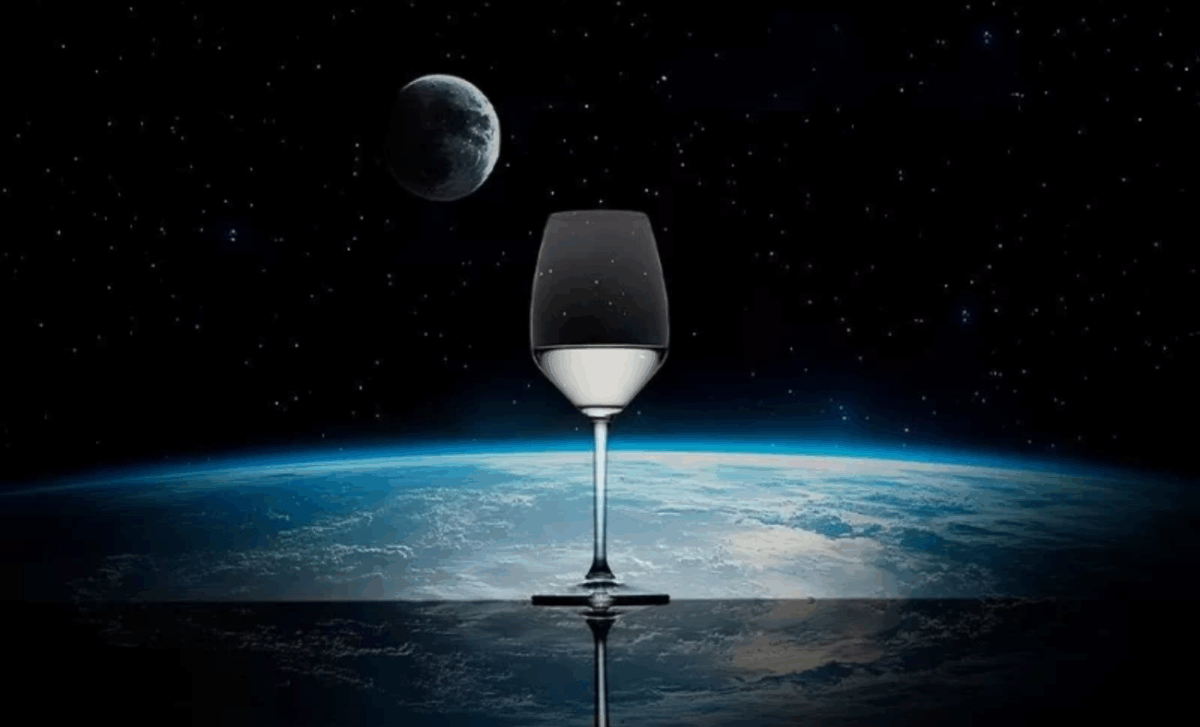
Picture enjoying a glass of sake while orbiting Earth—bringing a taste of home into the infinite universe. Though it may seem like science fiction, Japan’s groundbreaking DASSAI MOON Project is transforming this vision into reality. Spearheaded by Mitsubishi Heavy Industries, DASSAI, and the Aichi Industrial Technology Institute, this initiative explores brewing sake in the unique environment of the Moon. But how can one master the complex brewing of sake when faced with the challenges of lunar gravity and space conditions? Let’s delve into the mission turning this idea into a cosmic experiment.
Conducting Sake Brewing Experiments in Space
Sake brewing involves an intricate process distinct from that of beer, entailing parallel multiple fermentation—simultaneously converting starches into sugars and sugars into alcohol. This procedure relies heavily on gravity, so replicating it without Earth’s gravitational pull introduces significant hurdles.
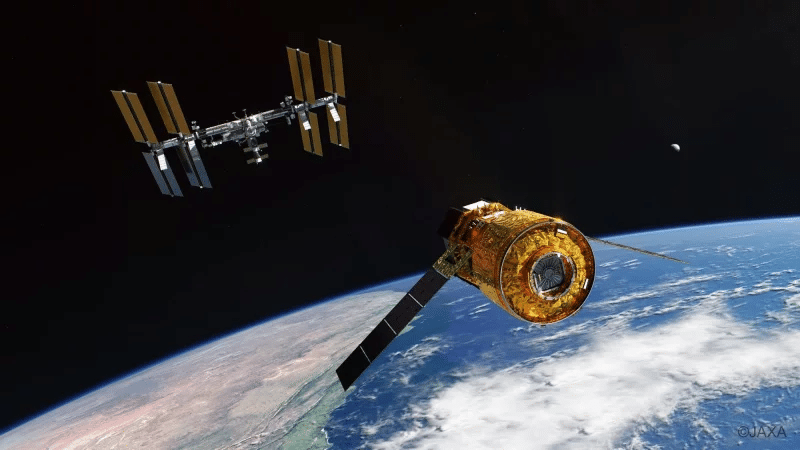
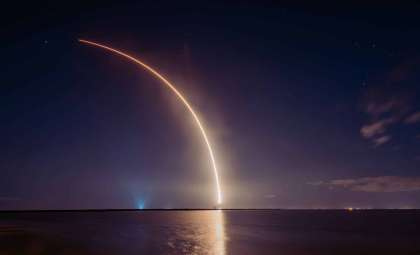
The DASSAI MOON Project addresses these challenges using a closed, automated brewing apparatus featuring a fermentation tank combined with a centrifuge that simulates lunar gravity. Scheduled for transport on JAXA’s HTV-X cargo vehicle on October 21, 2025, this system aims to pioneer new frontiers in space food science aboard the International Space Station (ISS).

This setup will be installed inside Japan’s Kibō module within the Cell Biology Experiment Facility-Light (CBEF-L) on the ISS. The process will follow traditional sake brewing techniques, utilizing Earth-grown rice and water harvested from lunar ice—an innovative approach that integrates extraterrestrial resources into sustainable space exploration.
Mastering the Brewing Process under Microgravity
Brewing sake beyond Earth’s surface involves more than overcoming microgravity—it requires adapting to altered fluid dynamics that govern fermentation. The yeast and fungi essential for converting starches into alcohol behave differently without familiar gravitational forces, demanding precise adjustments to traditional recipes.
The fermentation vessel aboard the ISS must create a stable environment enabling these microorganisms to function despite the unusual conditions. The DASSAI MOON Project goes beyond culinary science, bridging cultural heritage with cutting-edge space adaptation techniques.
According to Mitsubishi Heavy Industries, proving that sake brewing is feasible in space could pave the way for long-duration lunar habitats, where familiar comforts like sake can help astronauts maintain morale and a sense of normalcy during extended stays in space.
From Space to Earth: The Unique Brew’s Journey
Perhaps the most captivating aspect isn't merely the brewing itself, but the aftermath. After completion, approximately 520 grams of the fermented moromi mash will be frozen and brought back to Earth. This rare batch will undergo refinement in Japan to produce an exclusive sake edition.
The resulting product, labeled “DASSAI MOON – Space Brew,” will be released in 100ml bottles marketed as a luxury collectible. Priced around 100 million yen (~$720,000), all sales proceeds will support future Japanese aerospace advancements. This project intertwines cultural pride with space innovation, emphasizing philanthropy alongside scientific progress.
As noted by Asahi Shuzo, the sake’s creators, the high-value bottle symbolizes more than luxury; it represents funding for upcoming space endeavors. This initiative underscores the powerful link between tradition, science, and humanity’s reaching for the stars.
Significance of Space Brewing for Lunar Settlements
Looking forward to missions to the Moon and Mars, food production becomes a cornerstone for sustaining life. Beyond nourishing astronauts physically, familiar flavors can have profound psychological benefits during prolonged space habitation.
The DASSAI MOON experiment demonstrates not only the possibility of brewing sake off-planet but also sets a precedent for adapting other foods and drinks for extraterrestrial living. Future space stations or lunar colonies might cultivate crops, brew beverages, and prepare meals, creating a more sustainable and comforting environment.
Success in this area could revolutionize how we support human life beyond Earth and inspire further breakthroughs in space culinary technology.
- Categories:
- News





0 comments
Sign in to Comment