
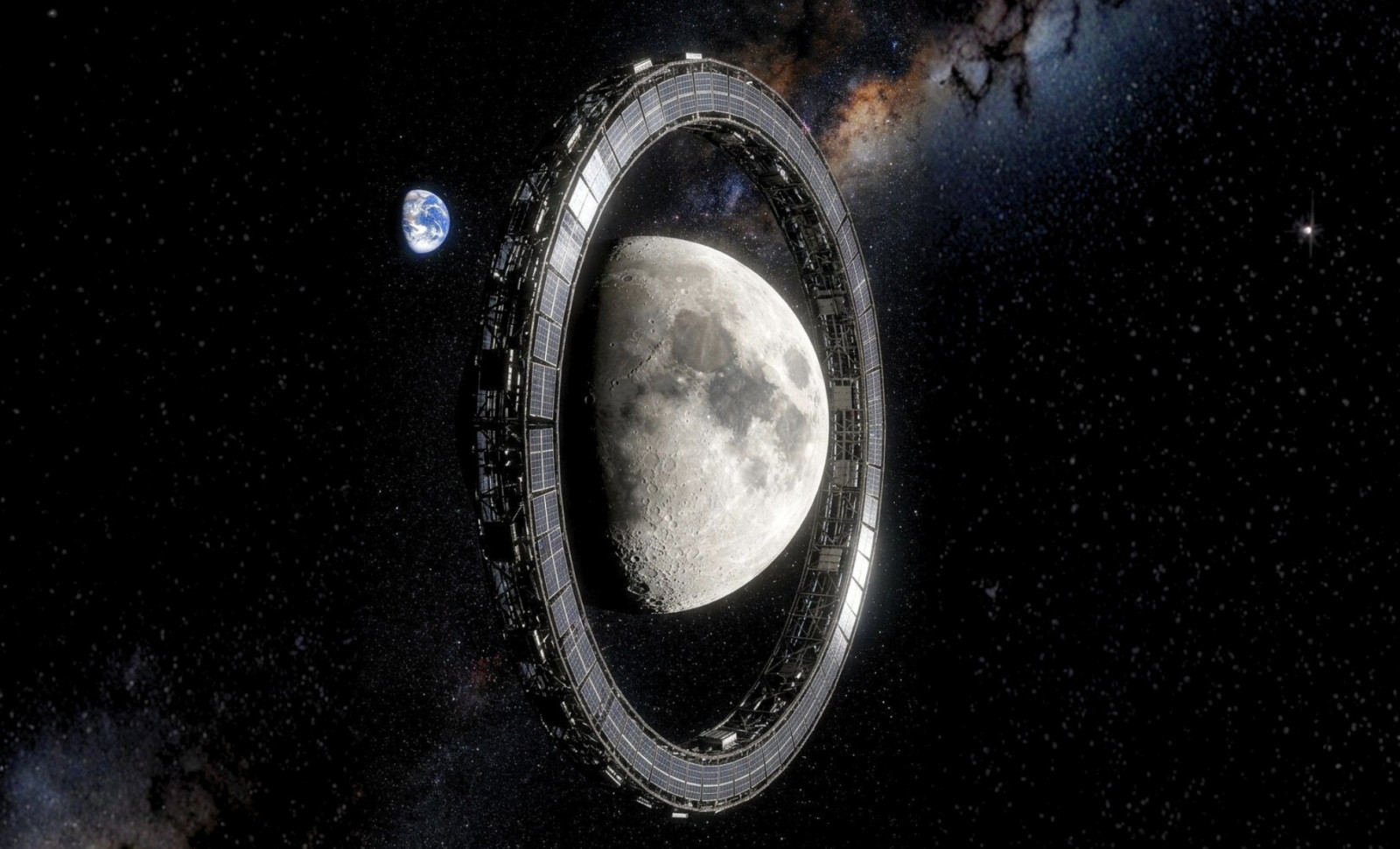
Over ten years ago, a Japanese firm introduced a bold idea to encircle the Moon’s equator with an enormous band of solar panels. This innovative design, named the Luna Ring, would extend approximately 6,800 miles and provide a constant stream of solar energy, avoiding the limitations of weather and darkness faced by terrestrial solar arrays. Although initial interest was limited, the 2011 Fukushima Daiichi nuclear disaster heightened Japan’s focus on alternative energy solutions.
The figures proposed by Shimizu Corporation, the company behind this initiative, are compelling. They suggest that solar panels in space could produce twenty times more energy than those on Earth. The Moon’s equator offers unique advantages: without an atmosphere, clouds, or nightfall on the sunlit side, the installation could provide ongoing power supply without interruption.
Tetsuji Yoshida, head of Shimizu’s CSP Japan space consulting division, shared with ABC News that utilizing the Moon's solar energy could eliminate the need for coal, oil, or biomass.

Transmitting Lunar Energy to Earth
The Luna Ring aims to tackle a key issue with Earth-based solar power: inconsistency. On Earth, ground solar facilities halt production at night and perform poorly in overcast conditions. By contrast, the Moon’s lack of an atmosphere ensures uninterrupted sunlight across its equator, with one hemisphere always illuminated, enabling continual energy generation.
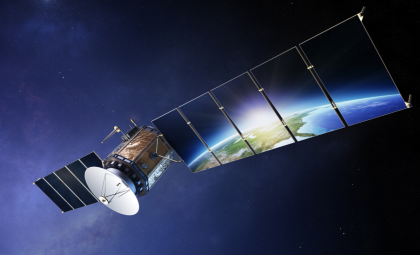
The mechanism works as follows: solar panels positioned along the lunar equator transform sunlight into electrical energy, which is then transmitted via cables to the Moon’s near side—the hemisphere constantly facing Earth. There, the electricity is converted into microwaves and powerful laser beams beamed down to terrestrial receivers.
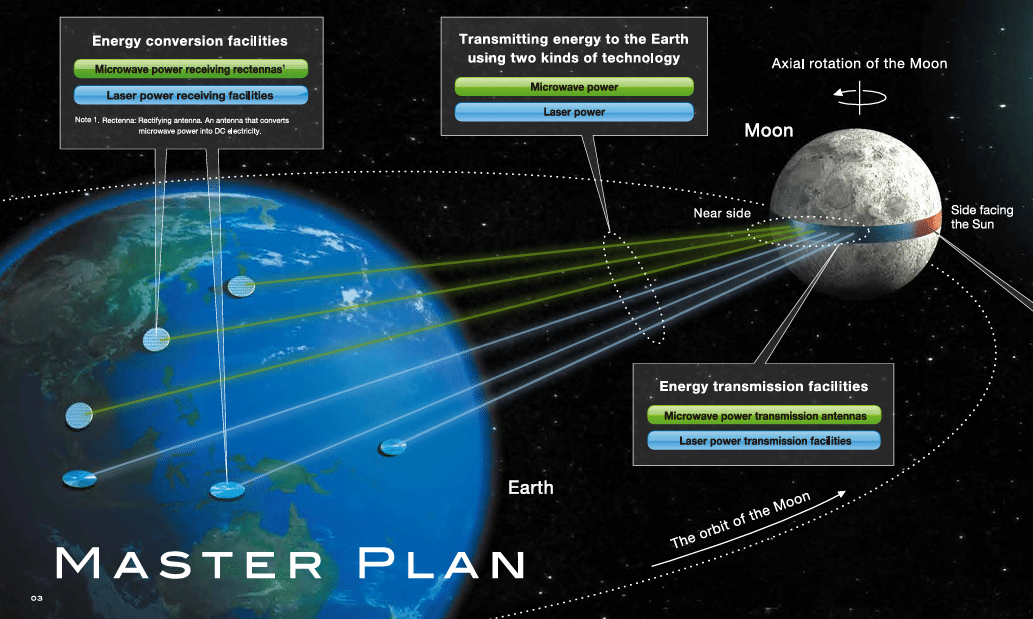
On Earth, specialized antennas called rectennas capture these microwave signals and transform them back into electricity for distribution. According to Shimizu’s project plans, the captured energy could also be used to generate hydrogen fuel for storage and transportation, paving the way for a transition to a sustainable hydrogen economy.
Constructing the Lunar Solar Belt with Robotics and Moon Materials
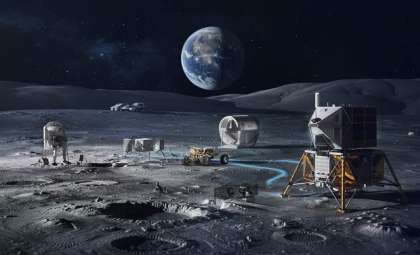
Due to the tremendous difficulty of building structures on the Moon, Shimizu proposes relying predominantly on robotic systems. These robots would be remotely controlled from Earth around the clock, handling tasks such as site preparation, excavation, and assembly. A limited crew of astronauts would provide local support, but human involvement would be minimal.
The company plans to utilize lunar resources extensively, minimizing the need to transport building materials from Earth. Lunar soil, rich in oxides, could be combined with hydrogen brought from Earth to produce water and oxygen. This regolith could also be processed into concrete, glass fibers, ceramics, and even photovoltaic cells.
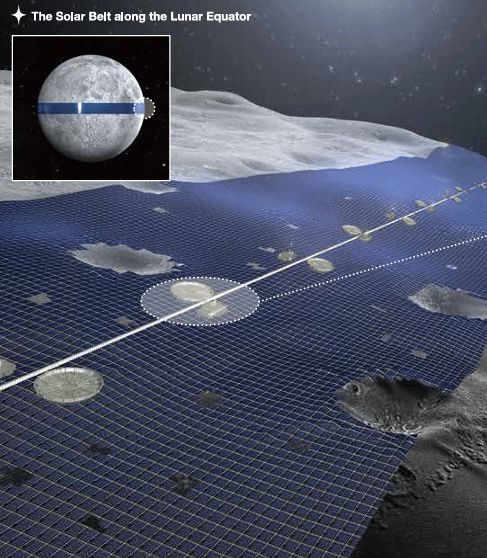
The Luna Ring concept includes mobile production facilities moving along the equator, fabricating solar cells from indigenous materials and installing them directly. The belt’s width would vary from a few kilometers up to 400 kilometers at its broadest extent, encircling the entire Moon, with a dedicated transport corridor carrying supplies beneath buried power cables.
Financial Challenges Ahead
Despite its revolutionary vision, the Luna Ring faces a significant obstacle: funding. Masanori Komori, an energy economist at Japan’s Institute of Energy Economics, conveyed to ABC News that although the idea holds appeal, its cost is presently prohibitive. He advocates prioritizing more immediately viable options like geothermal energy, which already offers affordable, accessible power.
Yoshida acknowledged the absence of a definitive budget, noting that key technologies remain experimental, including the ability to transmit gigawatts of energy over the immense distance of 238,855 miles with extreme precision. The use of microwave and laser beams necessitates guide beacons on Earth, a capability yet to be demonstrated at this scale.
Nonetheless, Shimizu asserts that the fundamental components are already in place: abundant sunlight, mature solar technology, and well-understood wireless energy transmission methods. The key challenge lies in dramatically scaling these technologies and assembling them on an extraterrestrial surface.
Current Status of the Luna Ring Initiative
According to information available from 2011, the Luna Ring remains a visionary concept on Shimizu’s website. The company has not obtained funding, lacks official backing from major space agencies such as JAXA or NASA, and no active development schedule exists. Although NASA’s Lunar Science Institute mentioned the plan, broader interest has been minimal.
The aftermath of the Fukushima incident briefly shifted attitudes, as Japan’s nuclear fleet—responsible for about 30 percent of its electricity—was largely shut down. This crisis fostered openness toward unconventional energy ideas. Yoshida pointed out that the project was dormant until the 2011 earthquake and tsunami renewed public focus.
Shimizu has yet to advance the initiative beyond the proposal phase. Nonetheless, Yoshida remains optimistic, telling ABC News that the project relies on existing elements: sunlight, solar panels, microwaves, and lasers. “If our research continues,” he stated, “we believe there’s a strong possibility this dream could come to fruition.”
- Categories:
- Space






0 comments
Sign in to Comment