
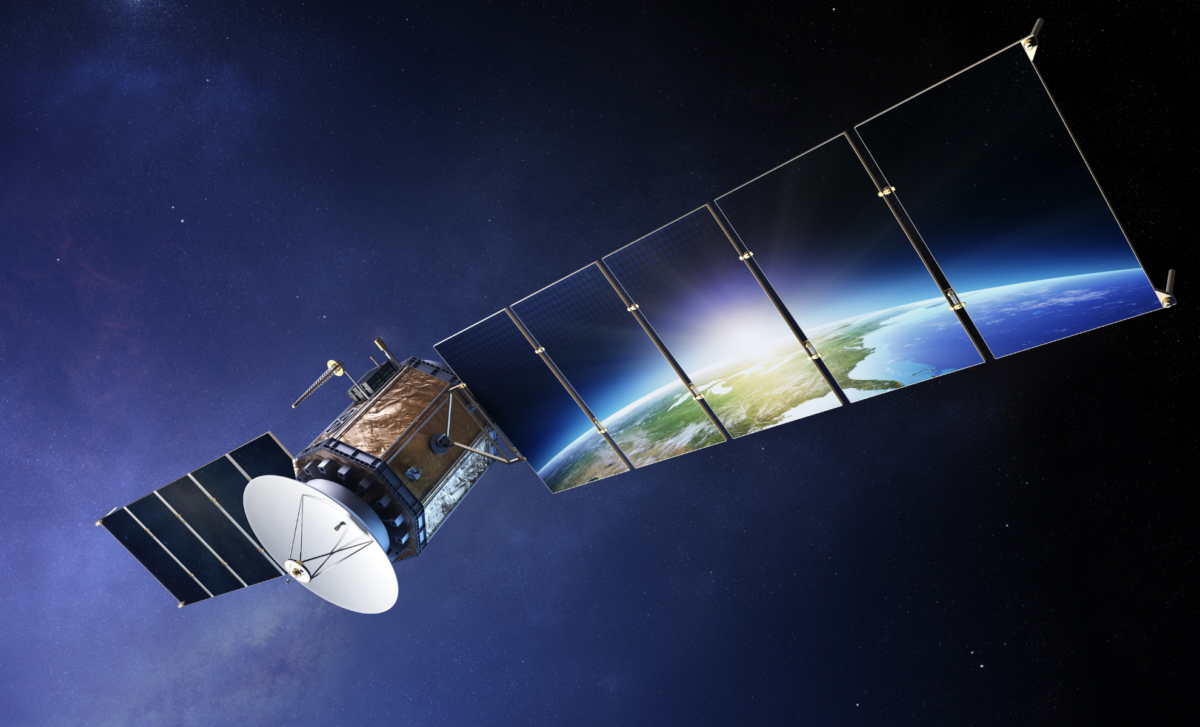
Reflect Orbital, a pioneering U.S. startup, is preparing to deploy thousands of satellites starting in 2026 to reflect sunlight down to Earth. This innovative venture seeks to offer "sunlight on demand" to regions lacking natural daylight. While it holds promise for energy, defense, and infrastructure advancements, many experts remain skeptical about its practical viability.
An Ambitious Plan: Illuminating Earth Using Spaceborne Mirrors
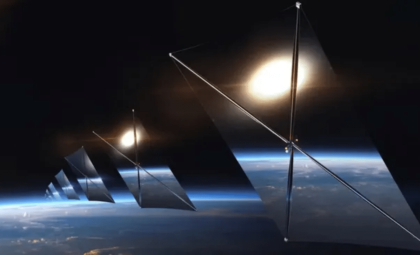
The idea of satellite-based mirrors lighting up Earth is both groundbreaking and contentious. As reported by New Scientist, Reflect Orbital is set to launch its first satellite early in 2026, targeting ten areas for artificial sunlight exposure. Ultimately, the firm envisions thousands of satellites equipped with reflective surfaces spanning tens of meters, enabling illumination for emergencies, remote operations, and energy support.
The company markets its satellites as invaluable for "remote tasks, defense efforts, civil projects, and energy creation." Enthusiasts suggest the technology could maintain solar power output after dark and extend working hours at outdoor venues without conventional lighting.

Nonetheless, many scientists urge prudence. Astronomers and solar energy specialists argue current technologies likely cannot scale efficiently to deliver meaningful power levels, expressing concern that public expectations might outpace technical reality.
Why Experts Are Doubtful: Challenges With Effectiveness and Impact
The scientific criticism focuses heavily on the challenges of achieving adequate power density and practical deployment. Despite Reflect Orbital’s claims, researchers quoted in New Scientist doubt the reflected illumination will produce sufficient energy to rival traditional solar farms.
As one expert highlights, a single reflective satellite’s light reaching Earth would not be powerful enough to generate usable electricity—its glow may be noticeable but faint compared to natural sunlight.
Beyond inefficiency, astronomers warn about increased light pollution and interference with astrophysical observations. Even a partial satellite constellation might worsen congestion in low Earth orbit, complicating the work of space telescopes and research facilities.
Additional concerns involve potential disruptions to animal behavioral patterns, human sleep cycles, and sensitive military surveillance if the reflected light impacts inhabited regions.
Reflect Orbital’s Perspective: Supporting Critical Needs Temporarily
Reflect Orbital stresses that their technology is intended to supplement, not replace, existing solar arrays or infrastructure. They envision its primary uses in temporary circumstances, such as illuminating disaster sites, military missions, or urgent nighttime repairs.
Energy specialists, while skeptical about broad applications, acknowledge that short-duration, low-intensity light needs in isolated or seasonally dark areas might be served by orbital reflectors.
This effort recalls earlier experiments, like the Russian Znamya mirrors of the 1990s, which attempted to brighten parts of Earth from space but ultimately failed. With advances in satellite technology and cheaper launches, Reflect Orbital hopes its approach will overcome past obstacles.
- Categories:
- Space










0 comments
Sign in to Comment