
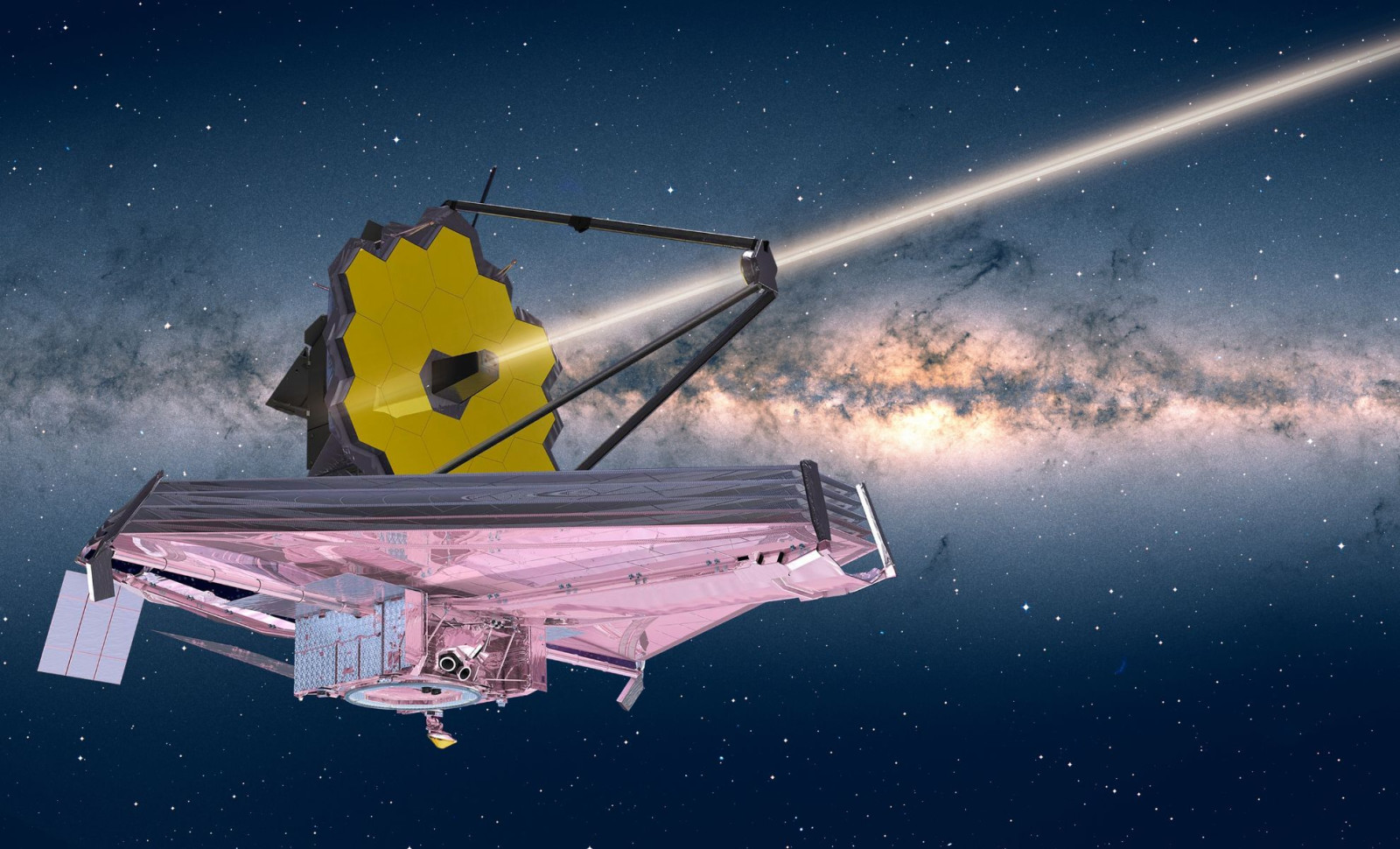
The James Webb Space Telescope (JWST) has unveiled the most detailed representation of the cosmic web to date, the vast network that connects galaxies throughout the cosmos. This groundbreaking map traces structures from the early universe, when it was roughly one billion years old.
Launched in 2021, JWST has revolutionized the study of remote regions of space. Scientists at the University of California, Riverside highlight that its infrared-sensitive instruments detect dim galaxies previously hidden and penetrate dense cosmic dust clouds. This capability allows exploration of the universe’s distant past with unprecedented clarity.
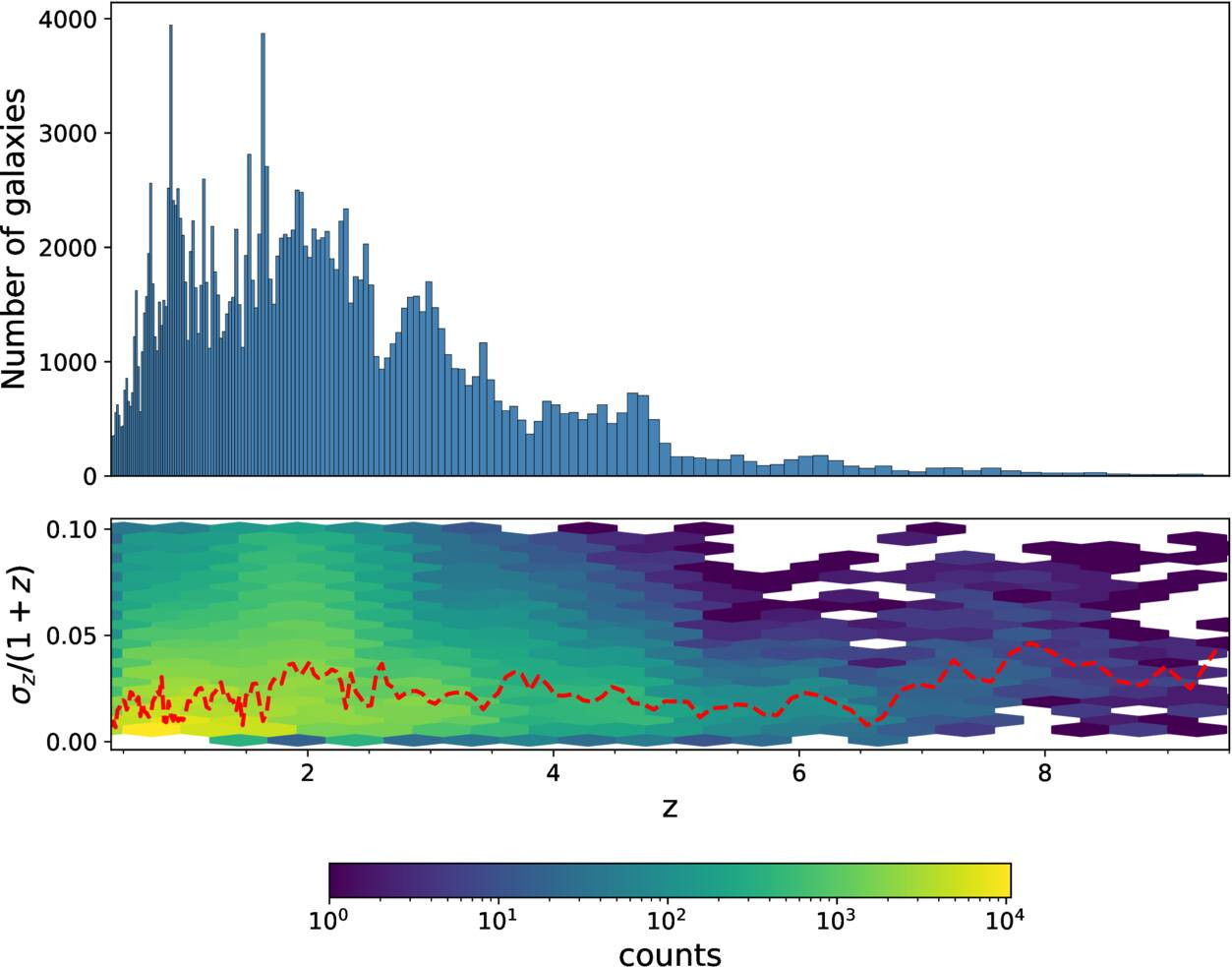
A recent publication in The Astrophysical Journal details findings from the COSMOS-Web survey, JWST’s largest observational effort yet. By examining more than 164,000 galaxies, it traces the distribution of matter throughout cosmic time. The survey spans an area of the sky approximately equal to three full moons, uncovering the universe’s underlying framework.

Enhanced Imaging of Cosmic Frameworks
The cosmic web is composed of filamentary and sheet-like structures made of dark matter and gas, surrounding immense voids. Lead author Hossein Hatamnia notes that JWST's ability to accurately position galaxies in space and time provides a far sharper depiction than previous surveys.
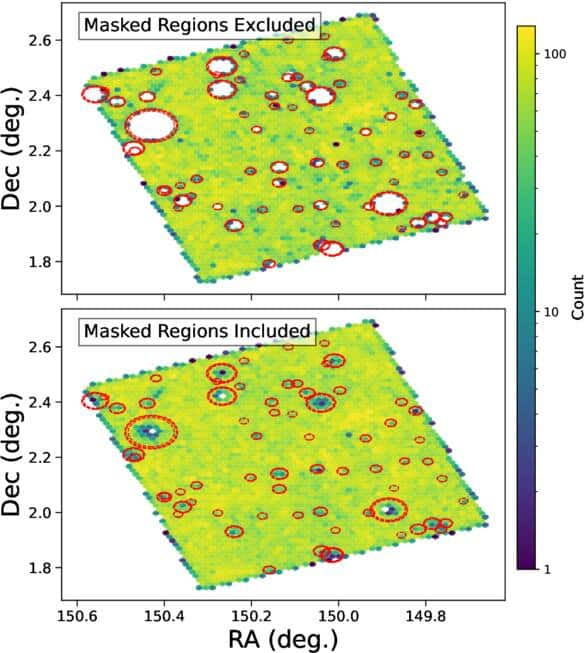
Bahram Mobasher, a physics and astronomy professor at UCR, explains that earlier observations from the Hubble Space Telescope merged many structures together. With JWST, these systems now appear as multiple distinct filaments, exposing differences that were previously unresolved.
“The jump in depth and resolution is truly significant, and we can now see the cosmic web at a time when the universe was only a few hundred million years old, an era that was essentially out of reach before JWST,” he said. “What used to look like a single structure now resolves into many, and details that were smoothed away before, are now clearly visible.”
JWST’s Largest Cosmic Survey to Date
The COSMOS-Web survey stands as JWST’s biggest General Observer program so far. The study documented in The Astrophysical Journal details a catalog of 164,000 galaxies, illustrating how vast clusters and filaments have evolved over billions of years.
Contributors hail from numerous countries including the US, Denmark, Chile, France, Finland, Switzerland, Japan, China, Germany, and Italy, reflecting the global scale of this endeavor.
Researchers have made the survey’s data—such as galaxy catalogues, cosmic density charts, and an animated visualization of the web’s formation—publicly available. Mobasher stresses that providing open access continues COSMOS’s legacy, enabling others in the field to analyze the universe’s skeleton on their own.
Illuminating the Universe’s Earliest Galaxies
JWST’s pinpoint accuracy has unlocked a fresh perspective on the universe’s earliest epochs. Hatamnia remarks that the telescope now allows observation of the cosmic web from when the cosmos was only several hundred million years old, revealing details that had remained out of reach until now.
“JWST has completely changed our view of the universe, and COSMOS-Web was designed from the start to give us the wide, deep view we need to see the cosmic web,” noted Hatamnia.
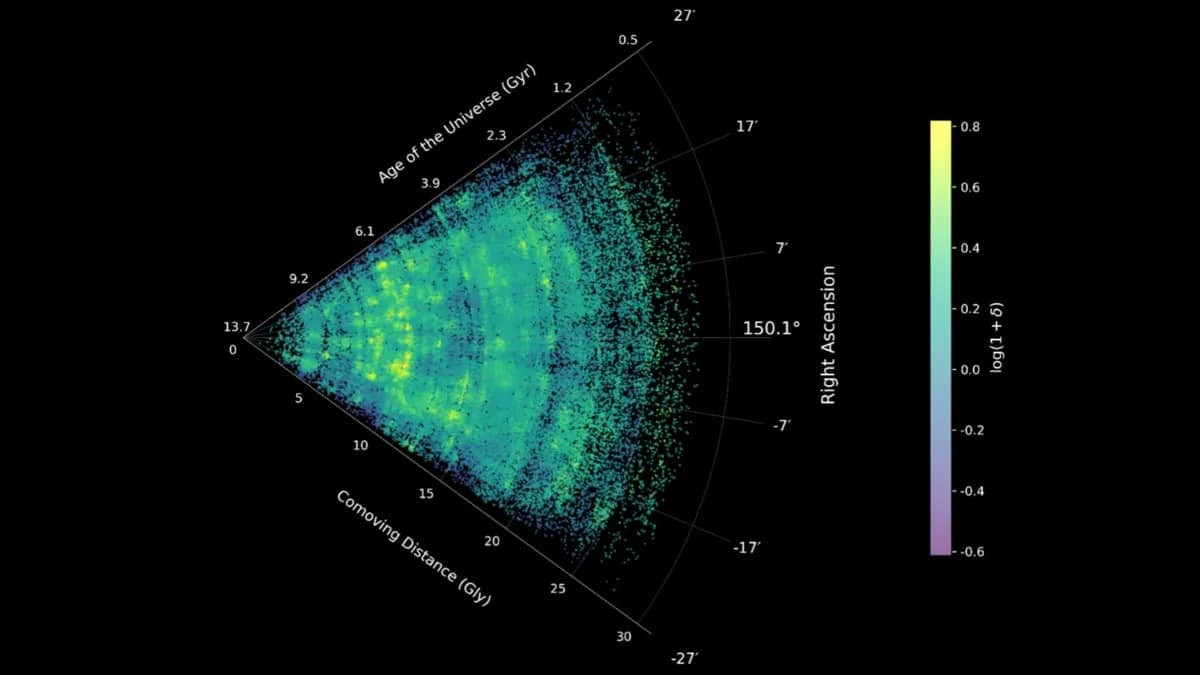
By integrating high-resolution images, deep-sky surveys, and worldwide scientific collaboration, JWST and COSMOS-Web have delivered the most intricate depiction of the universe’s fundamental architecture to date. Scientists consider this milestone a new standard in exploring cosmic structure.
- Categories:
- Astronomy



0 comments
Sign in to Comment