
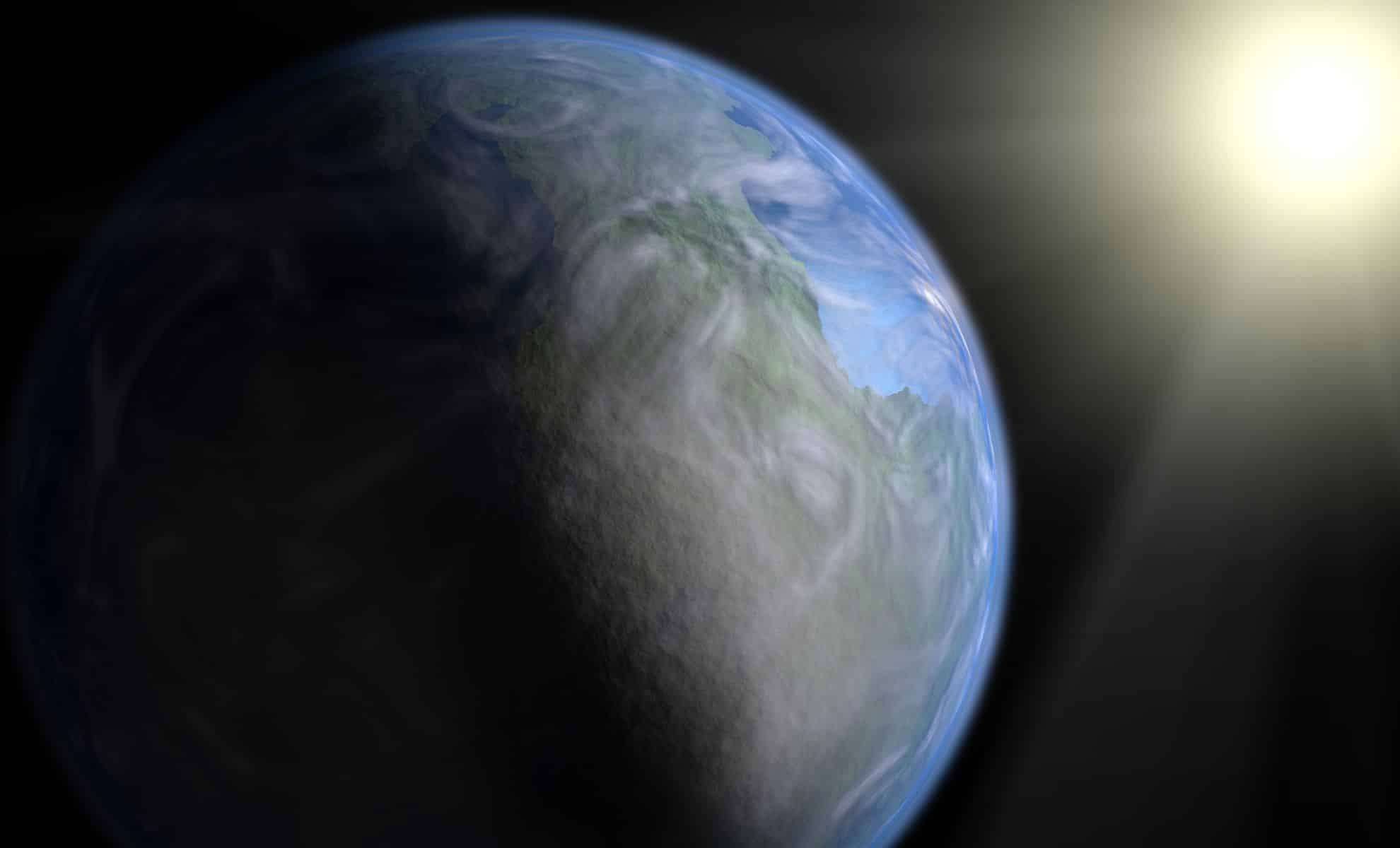
The exoplanet K2-18b has once again sparked widespread interest, though recent discoveries have tempered earlier optimism. Following an initial report hinting at possible signs of life on this distant world, fresh evidence has prompted astronomers to revise their interpretations. While K2-18b remains an intriguing subject, new insights suggest it is less likely to host life than previously hoped.
Initial Excitement and Its Challenges
Earlier this year, researchers from the University of Cambridge announced what they described as the strongest evidence so far of biological indicators on K2-18b. Analyzing data obtained through the Hubble Space Telescope, the team reported detecting atmospheric chemicals such as dimethyl sulfide (DMS) and dimethyl disulfide (DMDS), which on Earth are linked to microbial and planktonic life. This fueled speculation that K2-18b might be a hycean world—characterized by extensive oceans overshadowed by a hydrogen-rich atmosphere—potentially capable of supporting life.
Still, this conclusion was met with skepticism. Many experts emphasized that chemical signatures alone do not definitively prove biological activity. They urged caution, noting that additional data and context are necessary before confirming the presence of life.

Reevaluating with James Webb Data
Recent observations from the James Webb Space Telescope (JWST) present a more cautious interpretation. The latest study, which is pending peer review, confirms the existence of an ocean on K2-18b, a feature that had long been hypothesized but not empirically verified until now. On the other hand, the findings reveal a lack of detectable water vapor in the atmosphere, possibly due to a cold trap effect reducing evaporation.
This absence of atmospheric water vapor calls into question earlier theories that K2-18b possesses a dense, life-supporting envelope. Since water is critical to life as we know it, these conditions imply the planet might be less accommodating for biological processes.
Are the Biosignatures Genuine?
The renewed analysis focuses heavily on reexamining the initially reported biosignatures. Whereas Cambridge scientists initially linked DMS and DMDS presence to biological origins, fresh models suggest these gases might arise from abiotic chemical reactions, thereby complicating the argument for life.
Dr. Jake Taylor, an atmospheric exoplanet specialist at Oxford University, commented that identifying biosignatures in hydrogen-rich atmospheres remains a complex challenge. He pointed out that the chemistry of these compounds under the distinct pressures and environmental conditions of planets like K2-18b is still poorly understood.
An Enigmatic Planet Without Life Evidence
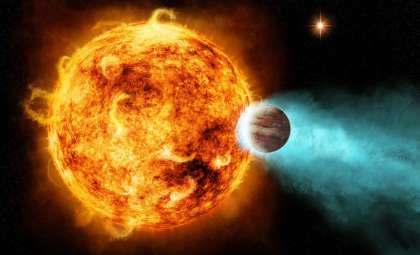
Despite these setbacks, K2-18b remains a captivating target. Classified as a sub-Neptune, it boasts a radius about 2.6 times that of Earth and orbits a red dwarf star roughly 124 light-years from our solar system, situated within the habitable zone where liquid water could conceivably exist.
Though life on this world seems unlikely based on current data, astronomers continue to be intrigued by the possibility of a cool, oceanic planet orbiting a star much dimmer than the Sun. The ongoing debate about K2-18b’s atmosphere and habitability underscores the need for further exploration, suggesting that the search for extraterrestrial life may have to extend beyond this system for now.
- Categories:
- News




0 comments
Sign in to Comment