
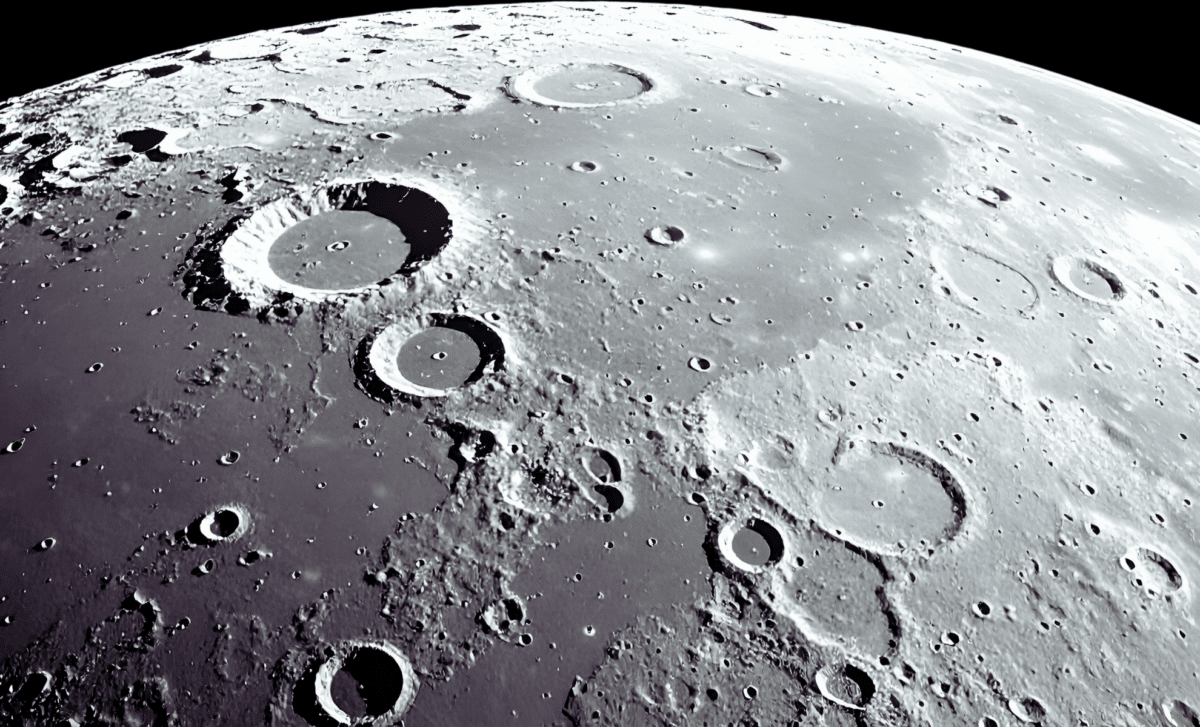
Researchers have introduced an innovative method to track Earth’s radiation balance by observing it from the Moon. This approach overcomes many constraints faced by existing satellite technologies, delivering a clear, consistent, and low-noise global perspective on Earth’s radiation dynamics. The study, led by scientists from the Institute of Atmospheric Physics (IAP) at the Chinese Academy of Sciences (CAS) alongside other premier institutions, demonstrates that leveraging the Moon as an observation vantage point provides a durable and all-encompassing outlook critical to climate science.
Addressing Satellite Observation Challenges Using Lunar Vantage Points
Current Earth observation satellites, orbiting either in low-Earth orbit or geostationary orbit, often cannot sustain both broad spatial coverage and uninterrupted temporal data collection. These satellites face difficulties due to atmospheric interference, variability in regional weather, and time-limited data acquisition. Dr. Ye Hanlin, the study’s lead researcher, explained, “Conventional measurements are usually constrained to regional radiation traits. Observing Earth from the Moon shows the entire planet as a single disk, enabling us to capture dominant global signals while minimizing small-scale weather disturbances.”
From the Moon’s vantage point, Earth is seen as a unified system rather than segmented sections. This vantage facilitates better detection of broad-scale radiation trends that are not masked by short-term local conditions. Utilizing this perspective, the team achieved more precise analysis of terrestrial radiation, unveiling global-scale patterns previously hidden.

Why Earth’s Radiation Budget Matters
The Earth’s radiation budget signifies the equilibrium between solar energy absorbed and the energy Earth emits back into space. Maintaining this balance is fundamental for regulating climate processes such as temperature moderation, weather dynamics, and long-term climatic shifts. Precise measurement of Earth's outgoing radiation is vital for forecasting climate variations, natural hazards, and ecosystem impacts. Published in the Journal of Geophysical Research: Atmospheres, this research offers a novel technique to capture Earth’s radiation free from weather-related distortions and local anomalies.
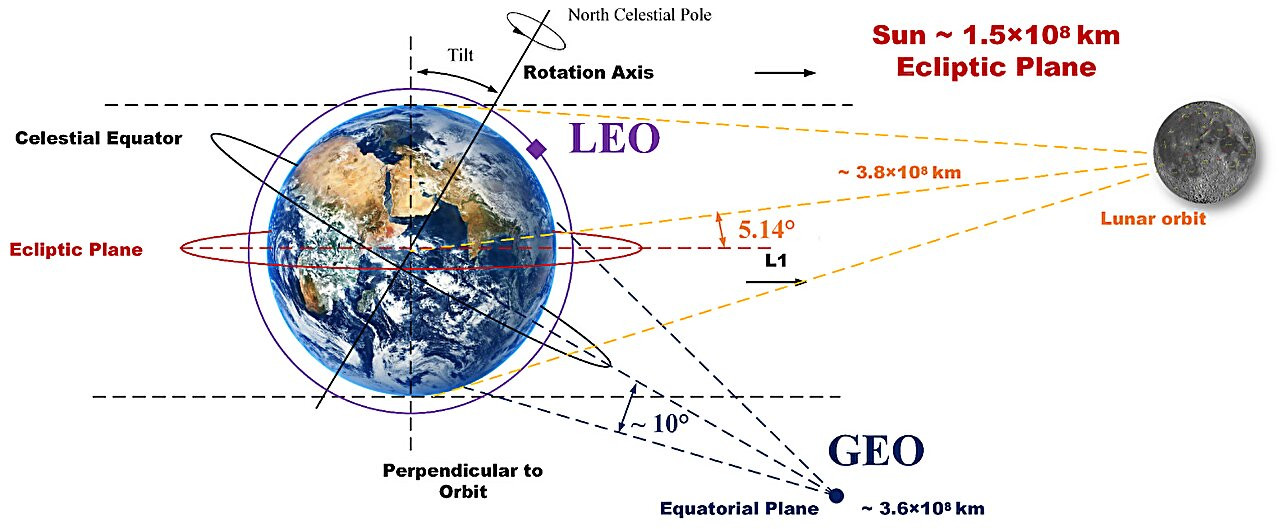
By examining Earth’s radiation emissions as observed from the Moon, the researchers identified significant cyclical patterns impacting the planet’s climate. These include diurnal variations tied to Earth’s rotation, monthly cycles linked to the Moon’s orbit, and broader shifts influenced by Earth-Sun interactions. Gaining a deeper understanding of these rhythms enhances climate model accuracy and enables better preparation for future environmental shifts.
Lunar Observation: A Sustainable Climate Research Platform
Professor Guo Huadong, corresponding author from the Aerospace Information Research Institute, CAS, highlighted the enduring benefits of lunar-based monitoring. “Observing Earth from the Moon delivers a continuous, integrated perspective unparalleled by terrestrial or satellite methods.” Unlike Earth-bound observations that face temporal or spatial limitations, moon-based surveillance offers a stable, long-term system for uninterrupted Earth radiation studies.
Given the Moon’s fixed position relative to Earth, it allows extended and consistent tracking of radiation variations, becoming an invaluable asset for climate researchers. This enduring, unobstructed viewpoint delivers high-quality data that can refine climate prediction models and enhance tracking of incremental global climate changes.
Unveiling Earth’s Radiation Patterns through Spherical Harmonics
A key discovery in the study is the dominance of spherical harmonic functions in shaping Earth’s radiation pattern. These mathematical models describe the global distribution and structure of the energy Earth radiates. The research found that nearly 90% of Earth’s radiation variability is explained by first- and second-degree spherical harmonics. These patterns serve as a “signature” to distinguish significant global radiation components, filtering out minor, localized weather-induced fluctuations.
Applying spherical harmonics through lunar observation presents a more refined, noise-reduced approach for monitoring Earth’s radiation budget. This breakthrough equips scientists with improved tools to probe the fundamental forces behind climate change and better discern driving factors behind global temperature trends, marking a notable stride forward in climate research.
- Categories:
- Science








0 comments
Sign in to Comment