
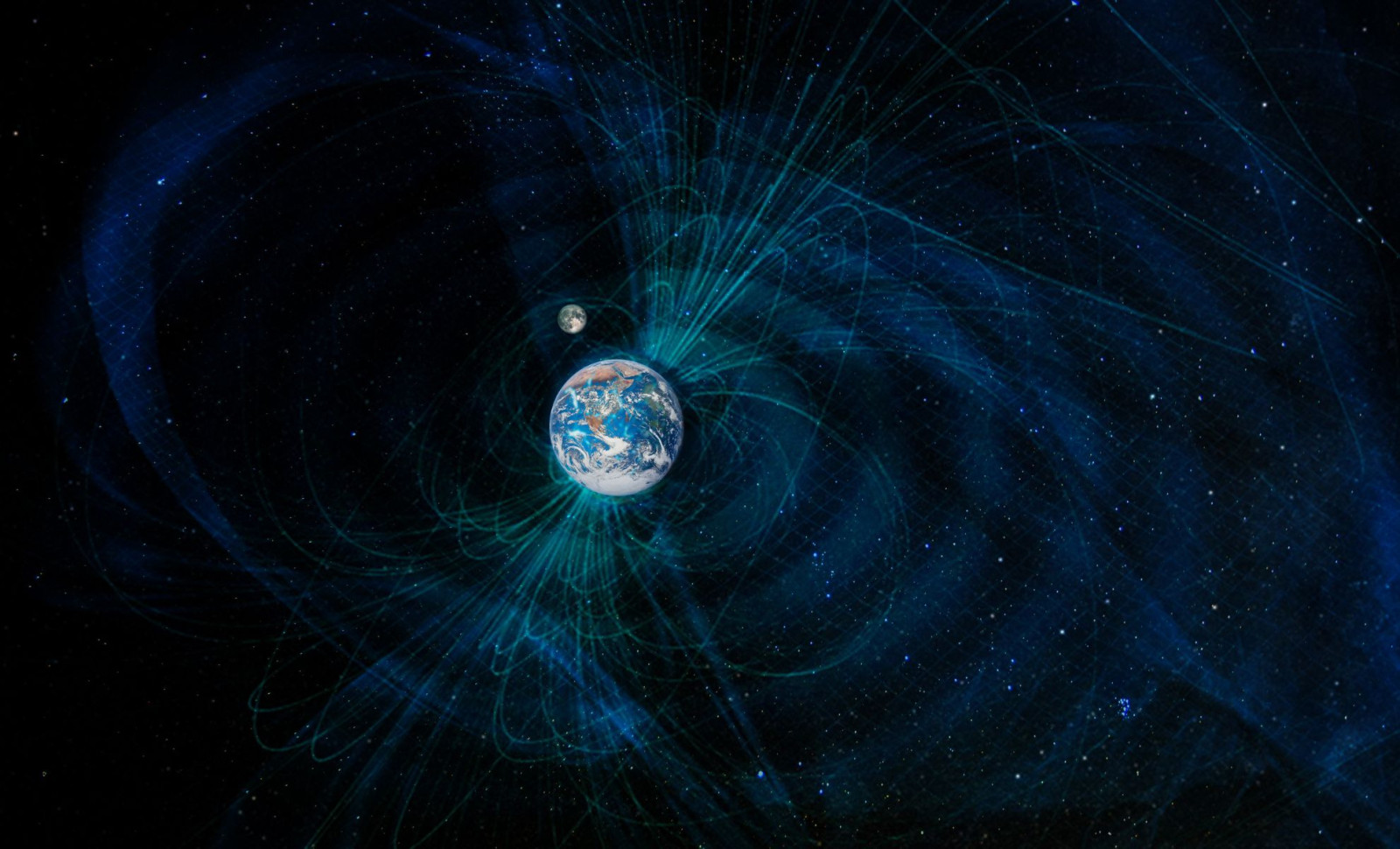
Researchers have unveiled the intricate magnetic field within DR21, one of the closest and most vigorous star-forming regions, revealing how it channels gas into the cloud’s dense core. Their findings demonstrate that magnetic fields serve as conduits, funneling material to areas where massive stars are emerging.
Published in The Astrophysical Journal, this study offers an unprecedentedly detailed depiction of DR21’s magnetic framework. It also clarifies the mechanism behind the massive amounts of gas directed into the cloud's central filament, a critical element in star formation.
Situated in the Cygnus X complex, DR21 is perfect for exploring this phenomenon. It harbors a dense structure called the DR21 Main Ridge, a filament stretching about 13 light-years and containing roughly 20,000 solar masses of frigid molecular gas. Encircling it is a mesh of smaller filaments that seem connected to this ridge.

Magnetic Fields Guide Gas Into the Cloud’s Heart
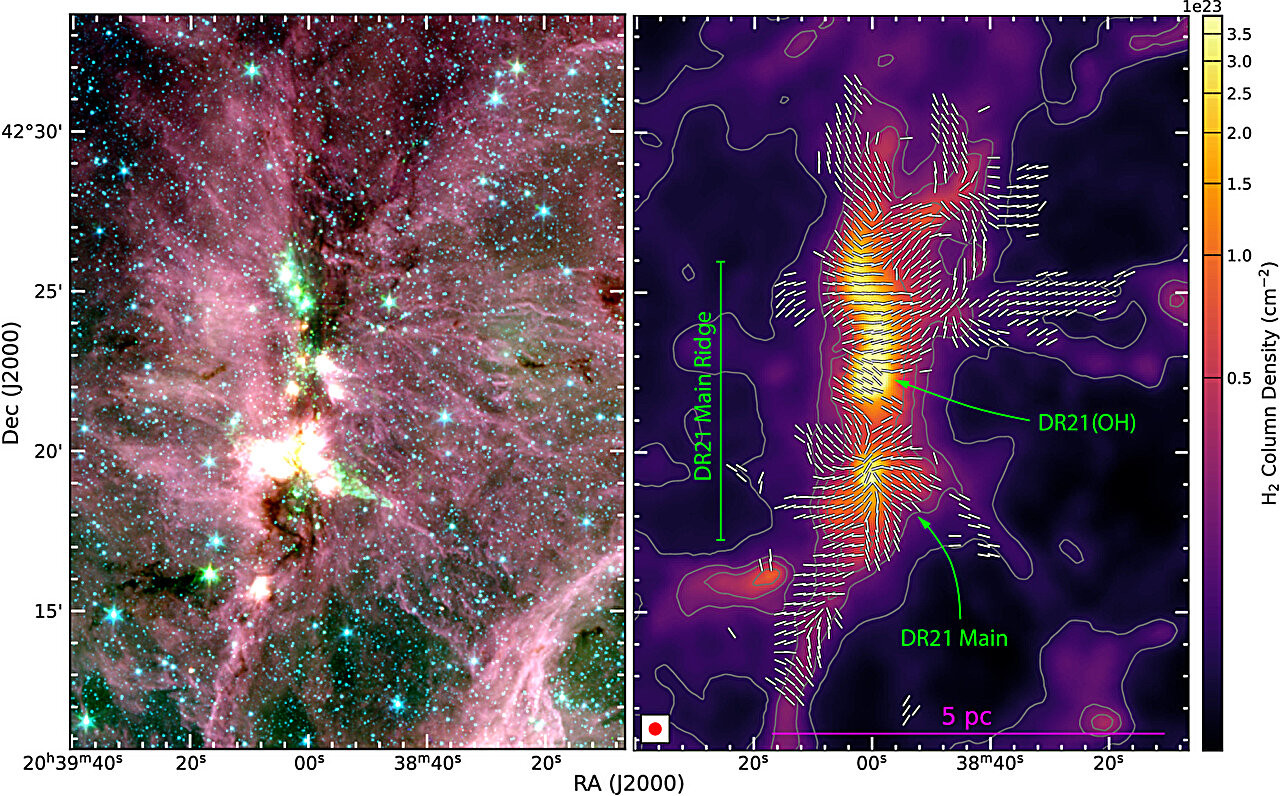
New observations indicate that the magnetic field plays an active role, steering gas toward the Main Ridge rather than merely permeating the cloud. Lead author Thushara Pillai of MIT Haystack Observatory likened this to a railway system.
“The magnetic field acts like a set of railroad tracks,” Pillai said. “Gas flows along the tracks toward the central ridge, building it up over time. Across the tracks, the field resists motion. So the field doesn’t stop star formation—it channels it.”
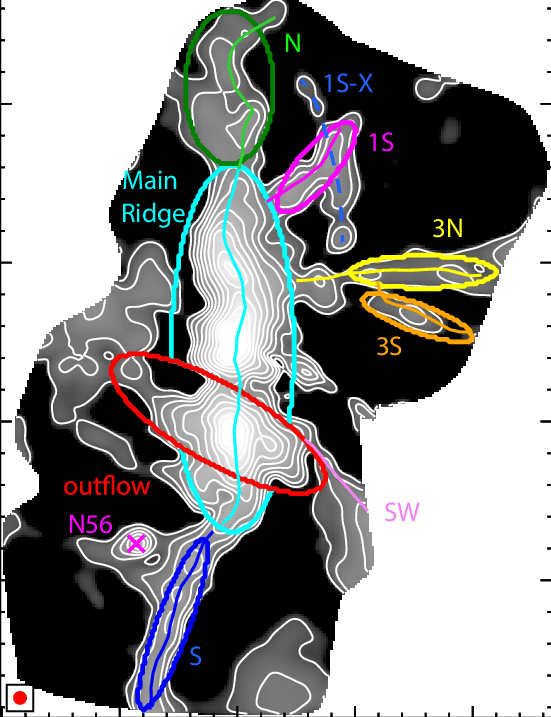
The team traced the magnetic field extending from the dense ridge into the adjacent sub-filaments, a feat previous research couldn’t achieve. These smaller filaments were already thought to supply gas to the ridge, and the new magnetic map confirms how these fields connect and funnel gas inward.
Building a Massive Filament Through Continuous Inflows
Findings originate from SIMPLIFI (Study of Interstellar Magnetic Polarization: a Legacy Investigation of Filaments), a SOFIA Legacy Program involving scientists worldwide. The analysis compared magnetic field alignments with gravitational forces and gas morphology, revealing close alignment throughout DR21.
This corresponds to magnetically guided accretion, where gas streams inward along magnetic field lines toward the cloud’s gravitational center. Estimates suggest that the surrounding filaments could deliver enough material to form the Main Ridge’s vast mass within about a million years.
Processing the polarization data from SOFIA was complex. Jens Kauffmann, who led this effort, commented:
“Working with SOFIA’s polarization data was challenging,” Kauffmann said. “We had to characterize the data reduction systematics from scratch. But the result was worth it: a homogeneous map of the magnetic field across an entire star-forming complex, at a level of detail that no other facility could provide.”
A Clear Answer to a Long-Standing Puzzle
This research also resolves a puzzle about previous measurements. Earlier observations showed gas moving toward the Main Ridge at speeds slower than gravity alone would suggest. The team discovered this discrepancy is due to the cloud’s orientation relative to Earth.
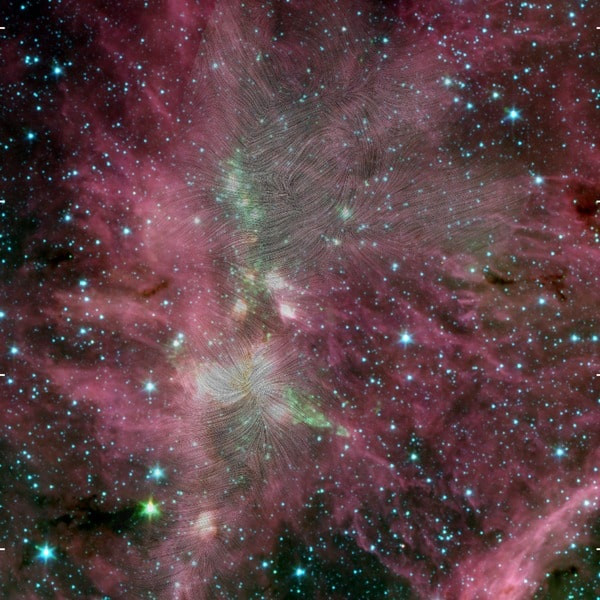
Both the magnetic field and the flow of gas lie mostly in the plane of the sky from our vantage point, so much of their movement occurs sideways rather than directly towards or away from us.
This means that the apparent velocity observed is only a fraction of the actual speed, clarifying that the gas was not moving unusually slow but that our perspective masked the full motion. The data came from SOFIA (Stratospheric Observatory for Infrared Astronomy), a converted Boeing 747SP equipped with a 2.7-meter telescope, retired in September 2022 after a dozen years of service.
“To really understand how magnetic fields shape star formation across the galaxy, we need to go further—to fainter emission, larger areas of sky, and clouds at every stage of evolution.” Pillai added, “That requires a space-based far-infrared mission with polarization capability. We don’t have one. Building one should be a priority for the next decade of astrophysics.”
- Categories:
- Science





0 comments
Sign in to Comment