
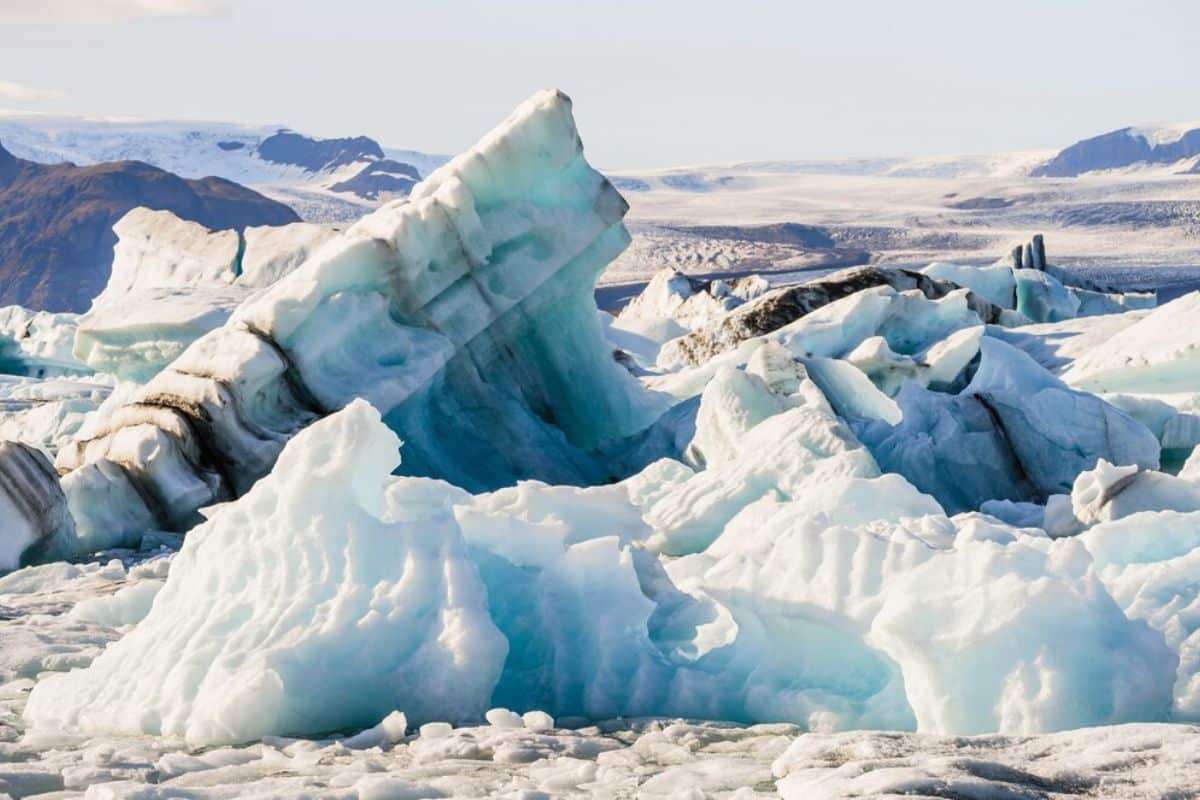
March 21 has been designated as the inaugural World Day for Glaciers, a worldwide event created to highlight the urgent issue of rapidly melting glaciers and the increasing risks linked to this environmental change.
Supported by the United Nations, this observance also paves the way for the International Year for Glacier Protection slated for 2025, emphasizing the precarious future faced by nearly 2 billion people who depend on glacier-fed freshwater sources.
Transforming Hazards Due to Glacier Retreat
Glaciers spanning from the Himalayas and Andes to Greenland and Alaska are diminishing and withdrawing at unprecedented speeds. As global temperatures climb, longstanding ice formations are being replaced by emergent glacial lakes confined by delicate ice barriers or rock formations.
Though these lakes provide crucial meltwater, they also pose a growing threat: breaches in these natural dams can trigger sudden, catastrophic floods.

Rising Incidence of Catastrophic Floods
The proliferation of glacial lakes has led to a surge in glacial lake outburst floods (GLOFs). In October 2023, one such event in the Indian Himalayas destroyed a hydropower facility and over 30 bridges, resulting in over 50 fatalities. In Alaska, the Mendenhall Glacier has repeatedly caused flash floods due to collapsing ice dams.
Near Huaraz in Peru, an expanding glacial lake threatens more than 35,000 downstream residents, growing considerably since a deadly flood struck the area in 1941.
Mountain Terrain Weakens as Climate Changes
In addition to flooding, thawing permafrost—frozen ground that maintains mountain stability—is causing landslides and rockfalls, which in turn generate large waves in glacial lakes.
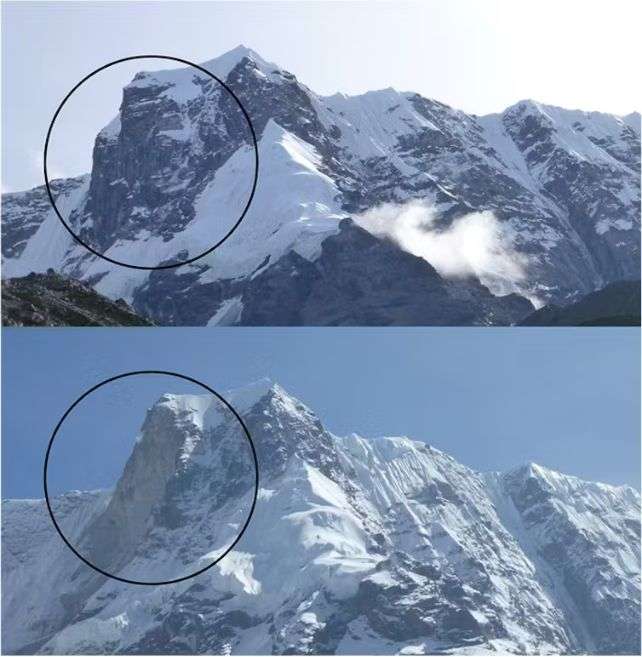
In 2017, a portion of Saldim Peak in Nepal collapsed into a glacial lake, triggering a destructive flood. Another hazard, englacial floods, is becoming more frequent.
These floods happen when meltwater collects inside glaciers and bursts out unexpectedly, transforming quiet ice masses into torrents carrying debris.
Consequences of Glacier Hazards Are Extensive
The impact of glacier-related disasters extends well beyond loss of lives. Damage to hydropower infrastructure, transportation networks, and local communities results in multi-billion dollar costs.
A 2024 research has cataloged over 110,000 glacial lakes worldwide, putting some 10 million people directly at risk. Experts warn these figures will grow as global warming intensifies.
Global Measures to Counter Glacier Melting
In reaction to these urgent challenges, governments and scientists are enhancing their initiatives. Early warning technologies, controlled lake drainage, and reinforced land-use regulations are being applied in high-risk regions.
The United Nations has proclaimed 2025 through 2034 as the "Decade of Action in Cryospheric Sciences", encouraging unified global efforts in research and disaster prevention.
Scientific teams are actively mapping unstable zones, creating flood simulation models, and examining the impacts of thawing permafrost on mountain slopes.
This inaugural World Day for Glaciers serves as a powerful reminder: the cryosphere is undergoing rapid transformation, and its effects are immediate for millions worldwide. Glacier decline is no longer an issue of the future.
- Categories:
- Climate change




0 comments
Sign in to Comment