
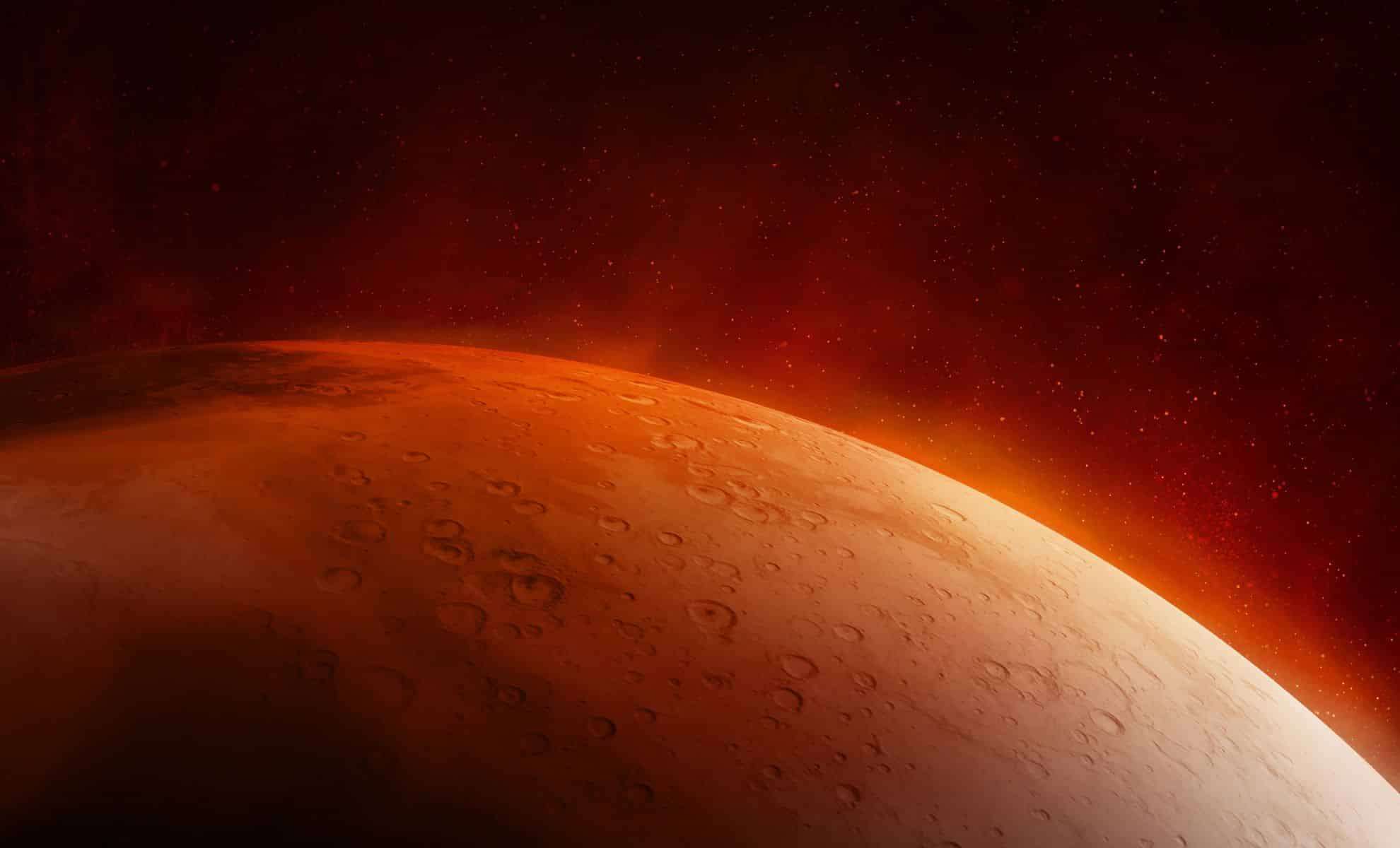
The Martian meteorite known as NWA 16254 is unlocking valuable information about the volcanic activity that shaped Mars. This rare find sheds light on the planet’s magmatic history, revealing intricate volcanic mechanisms and offering new perspectives on the evolution of Mars’ mantle and crust.
Distinctive Features of a Martian Rock
Classified within the gabbroic shergottite group, NWA 16254 is notable for its uncommon chemical traits and distinctive two-stage crystallization sequence. A team from Chengdu University of Technology, headed by Dr. Jun-Feng Chen, conducted a comprehensive analysis of this meteorite’s composition, uncovering details about Mars’ geological narrative. The meteorite’s marked geochemical depletion sets it apart, providing a window into the planet's volcanic evolution and mantle characteristics.
Unveiling Mars’ Volcanic History
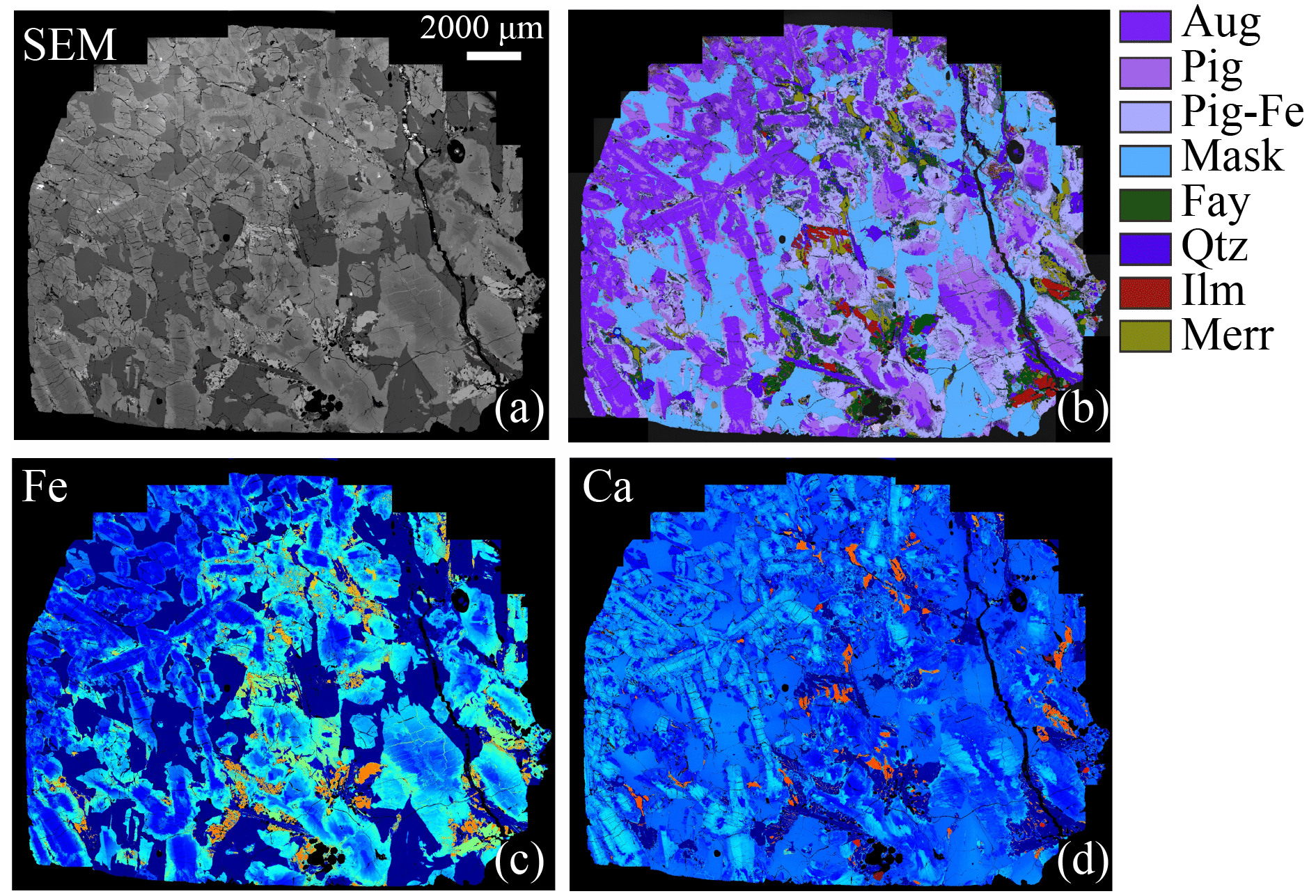
By mapping mineral distributions and conducting chemical tests, researchers identified a two-phase cooling history within the meteorite's formation. Initial crystallization occurred at pressures between 4.3 and 9.3 kbar, where magnesium-rich pyroxene crystals developed. As the molten material ascended to pressures below 4 kbar, the cooling proceeded more slowly, forming iron-rich pyroxene rims and plagioclase. This gradual cooling produced a coarse-grained texture that reflects multiple episodes of melt extraction from a depleted mantle source.

Insights Into Mars’ Redox Environment
A significant discovery from the study is the meteorite’s geochemical depletion, characterized by an absence of light rare earth elements (LREE). Its low oxygen fugacity (fO2) measured at IW−1.0 closely matches that of the rare QUE 94201 meteorite, indicating a possible shared origin.
The gabbroic texture indicates slow cooling within Martian crustal magma chambers, highlighting profound volcanic processes. The presence of Ti3+-bearing ilmenite minerals implies sustained reducing conditions during crystallization, challenging existing assumptions about Mars' volcanic evolution and enhancing our understanding of its redox state over geological timescales.
Exploring Mars’ Mantle Complexity
This breakthrough prompts new questions about the diversity and evolution of Mars’ mantle. The combination of low oxygen fugacity and a complex cooling trajectory in NWA 16254 points toward a more complicated volcanic history than formerly recognized.
Upcoming geochronological investigations aim to determine whether this meteorite records mantle melting events from about 2.4 billion years ago or reflects younger magmatic activity, contributing to a clearer picture of Mars’ thermal and differentiation history.
- Categories:
- News








0 comments
Sign in to Comment