
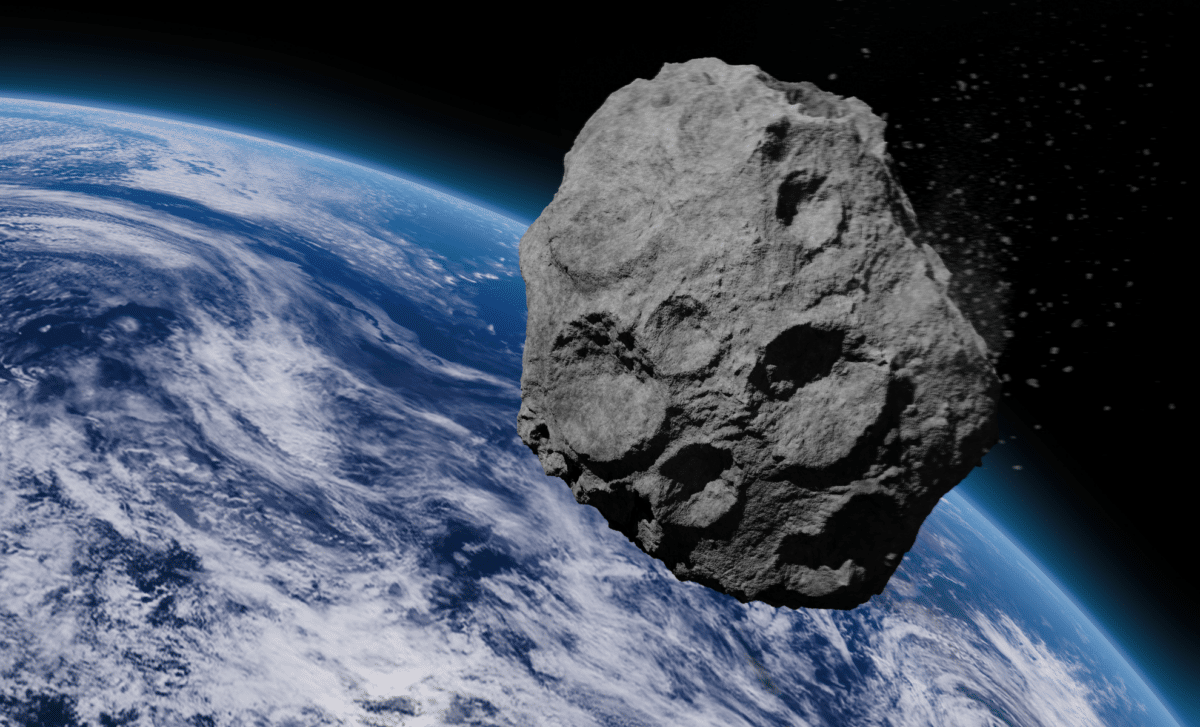
A substantial asteroid will make a secure flyby near Earth this Saturday, presenting a unique chance for astronomy enthusiasts and professional observers to view a large near-Earth object using modest telescopes or powerful binoculars. The European Space Agency (ESA) assures that despite its considerable size and relatively close proximity, there is no risk posed to our planet. Such significant flybys only occur every few years, marking this as one of the standout astronomical events of 2026.
A Swift, Uncommon Visitor Will Zoom Past Earth
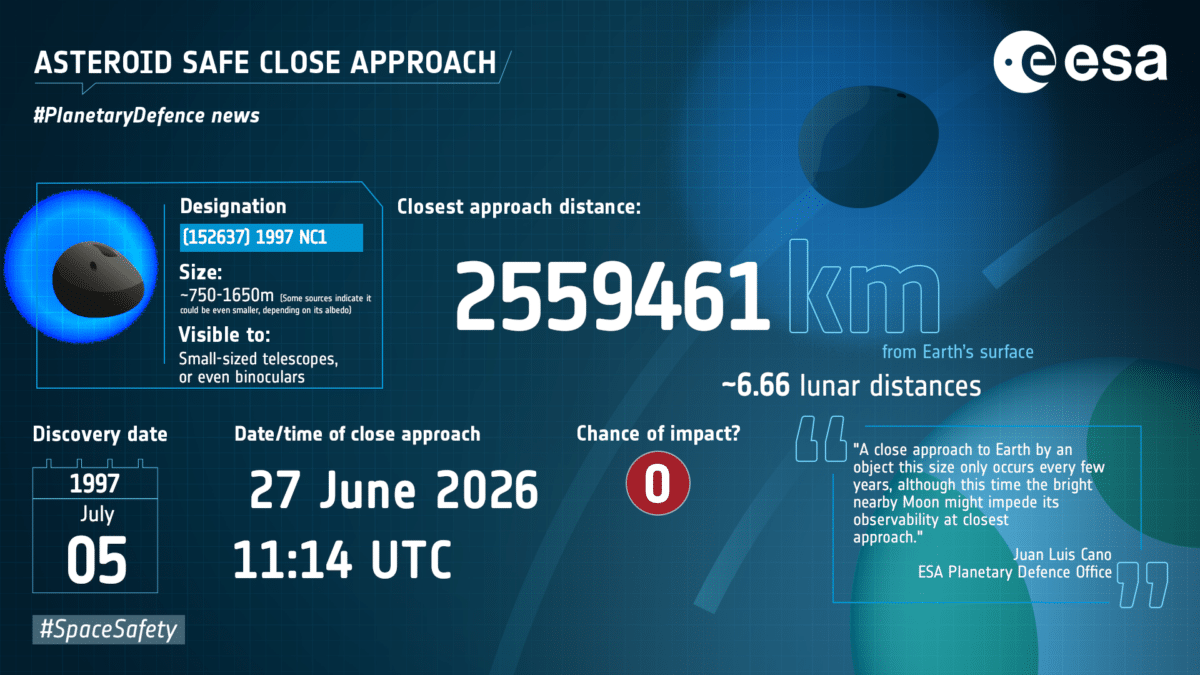
Known as (152637) 1997 NC1, this asteroid will reach its closest point to Earth at around 11:14 GMT on Saturday. It will pass by at an estimated distance of about 2.56 million kilometers (1.59 million miles). While close in cosmic terms, the asteroid will remain over six times farther than the Moon, ruling out any collision threat.
Moving at an impressive speed nearing 9 kilometers per second (5.6 miles per second), the asteroid will dash through the inner Solar System rapidly. Scientists have confirmed there is no collision risk, allowing everyone to enjoy the event's observational importance without concerns for safety.

Since its discovery in 1997, astronomers have continuously tracked this asteroid as part of efforts to monitor near-Earth objects. Its upcoming pass affords another vital occasion to refine its orbit and collect valuable data. Although harmless, this encounter reminds us of the many rocky bodies traversing our cosmic backyard.
Asteroid Likely Measures Over a Kilometer in Diameter, Scientists Believe
Attention centers on the asteroid due to its considerable size. Reflectivity-based calculations indicate (152637) 1997 NC1 spans roughly between 750 and 1,650 meters (820 to 1,800 yards). This places it among the sizeable near-Earth asteroids to approach closely in recent times.
Astronomers note that these estimates rely on brightness and surface reflectance, meaning the asteroid’s true size might be smaller if it reflects more light than presumed. The European Space Agency has acknowledged this margin of error and suggests alternative assessments that indicate a somewhat reduced diameter.
Amateur Astronomers Worldwide Might Spot It
Unlike many asteroid flybys visible only to specialized observatories, this encounter presents an achievable viewing opportunity for skilled amateur astronomers. The ESA notes that observers with small telescopes or large binoculars stand a good chance of observing the asteroid as it moves across the night sky.
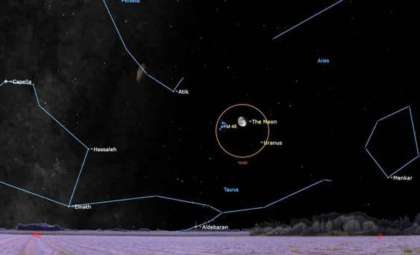
Visibility will depend heavily on geographic location and timing. The asteroid is expected to become visible from areas in the Northern Hemisphere before closest approach, then across various regions at closest distance, and later primarily from the Southern Hemisphere as it recedes.
Conditions such as weather and local light pollution will significantly affect viewing quality. Moreover, a bright Moon near closest approach could wash out the fainter asteroid, emphasizing the value of darker observation spots for those aiming to catch a glimpse of this high-speed traveler.
Such Close Approaches Are Infrequent but Scientifically Valuable
While Earth frequently encounters smaller objects, close passages by asteroids of this size occur comparatively rarely. This scarcity contributes to the event’s special appeal to scientists and the interested public alike.
Juan Luis Cano from the ESA’s Planetary Defence Office emphasized the significance, stating: “A close approach to Earth by an object this size only occurs every few years, although this time the bright nearby moon might impede its observability at closest approach.”
His remarks highlight both the rare nature of the flyby and the viewing challenges posed by lunar brightness. Despite this, the occasion remains an outstanding chance to witness a major near-Earth asteroid racing safely past our planet.
For researchers, each close pass enhances tracking accuracy and enriches knowledge about these primordial relics from the Solar System’s formation. For everyday stargazers, it serves as a reminder of the extraordinary celestial events unfolding above, often accessible with modest gear and clear skies.
- Categories:
- News




0 comments
Sign in to Comment