
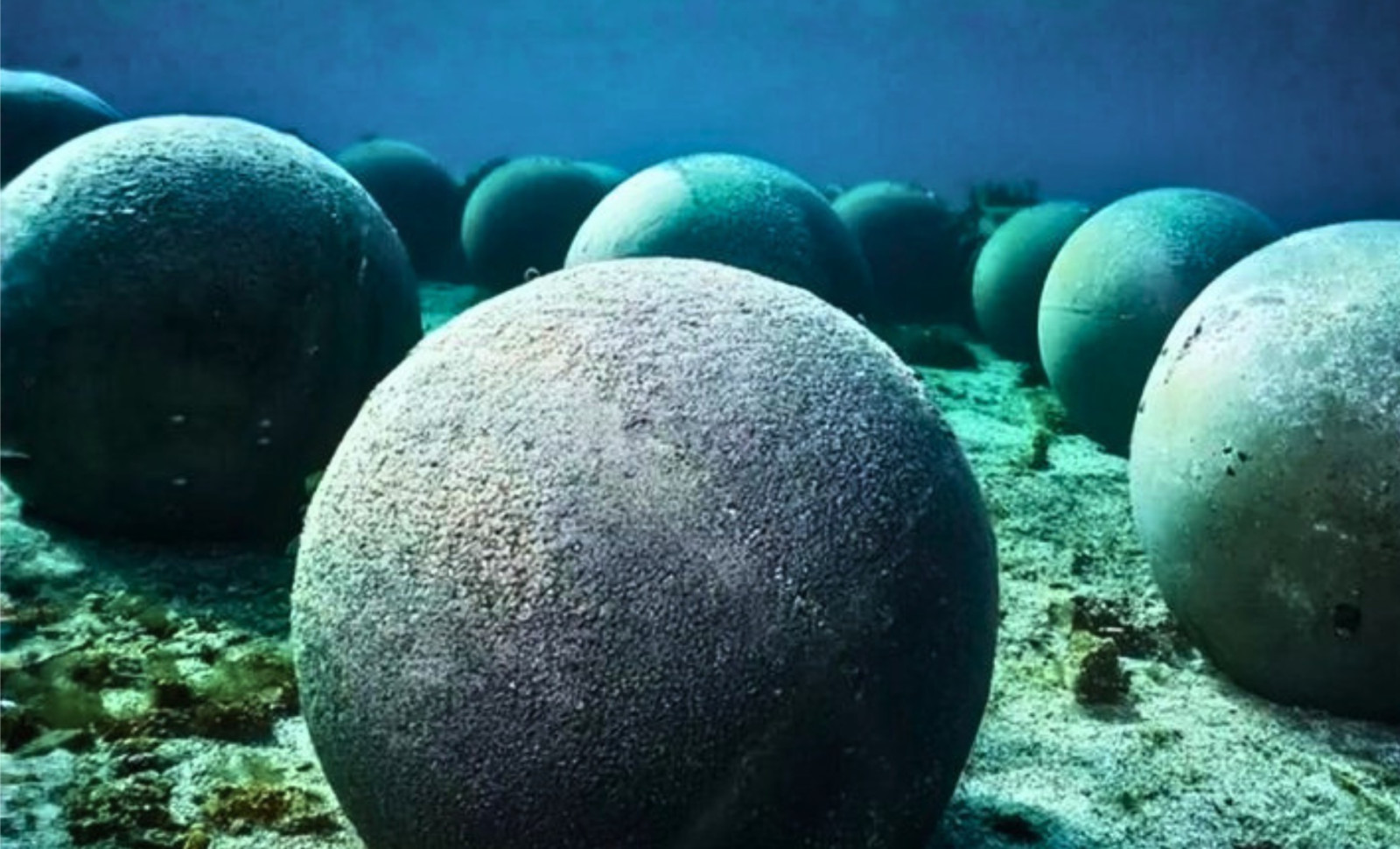
Deep beneath the Pacific Ocean near Los Angeles, a large hollow concrete sphere—similar in size to a small house—will soon be anchored to the ocean floor. When electricity demand rises, a valve opens allowing seawater to enter, spinning a turbine that generates power. When there is excess electricity, the water is pumped back out. This process requires no lithium or rare earth materials—just concrete, ocean pressure, and fundamental physics. This innovative system, called StEnSea (Stored Energy in the Sea), is an initiative from Germany’s Fraunhofer Institute for Energy Economics and Energy System Technology, gearing up for its inaugural full-scale ocean trial off Long Beach, California, slated for completion by 2026.
The ambition behind this technology is staggering. Fraunhofer estimates that if implemented at suitable coastal locations globally, it could unlock a worldwide energy storage capacity of up to 817,000 gigawatt-hours. For comparison, Germany’s entire network of pumped-hydro storage facilities holds less than 40 gigawatt-hours total. Even the ten most promising European sites alone could deliver a combined total of 166,000 gigawatt-hours, according to Fraunhofer’s geographic studies.
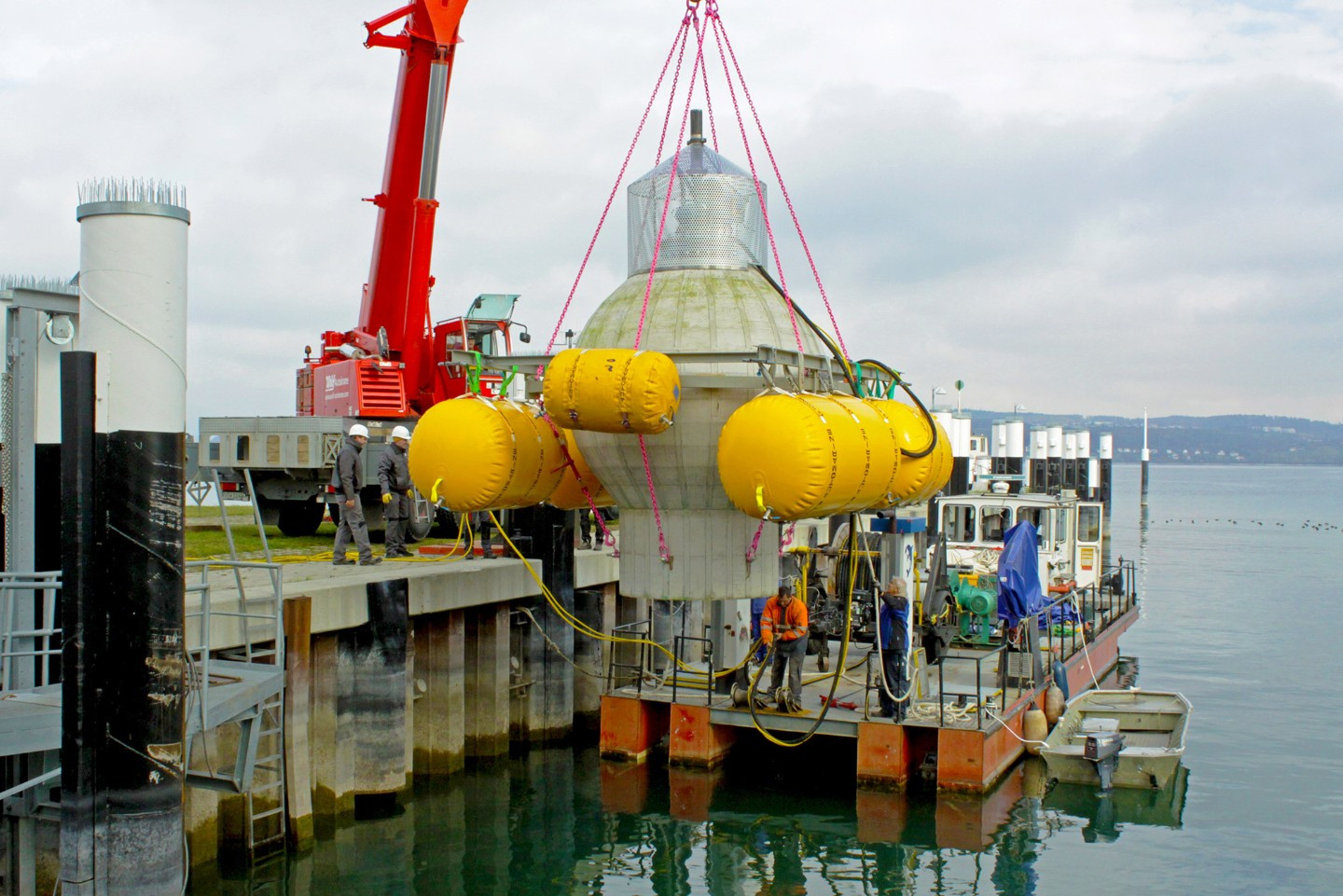
Prior to the ocean installation, a proof-of-concept test was successfully conducted using a three-meter sphere in Lake Constance, located on the German-Austrian-Swiss border. This smaller experiment confirmed the system’s fundamental operation. The upcoming ocean trial aims to determine its durability and efficiency under deep-sea conditions, at a greater scale, and over extended periods.

Mechanics of Energy Storage Using a Hollow Concrete Sphere
This approach draws on pumped-hydro storage, a method long employed by utilities to manage power. Traditional pumped-hydro systems elevate water to reservoirs when energy is abundant, then release it through turbines to generate electricity during peak demand. StEnSea adapts this principle under the sea, with ocean pressure replacing the need for mountainous terrain.
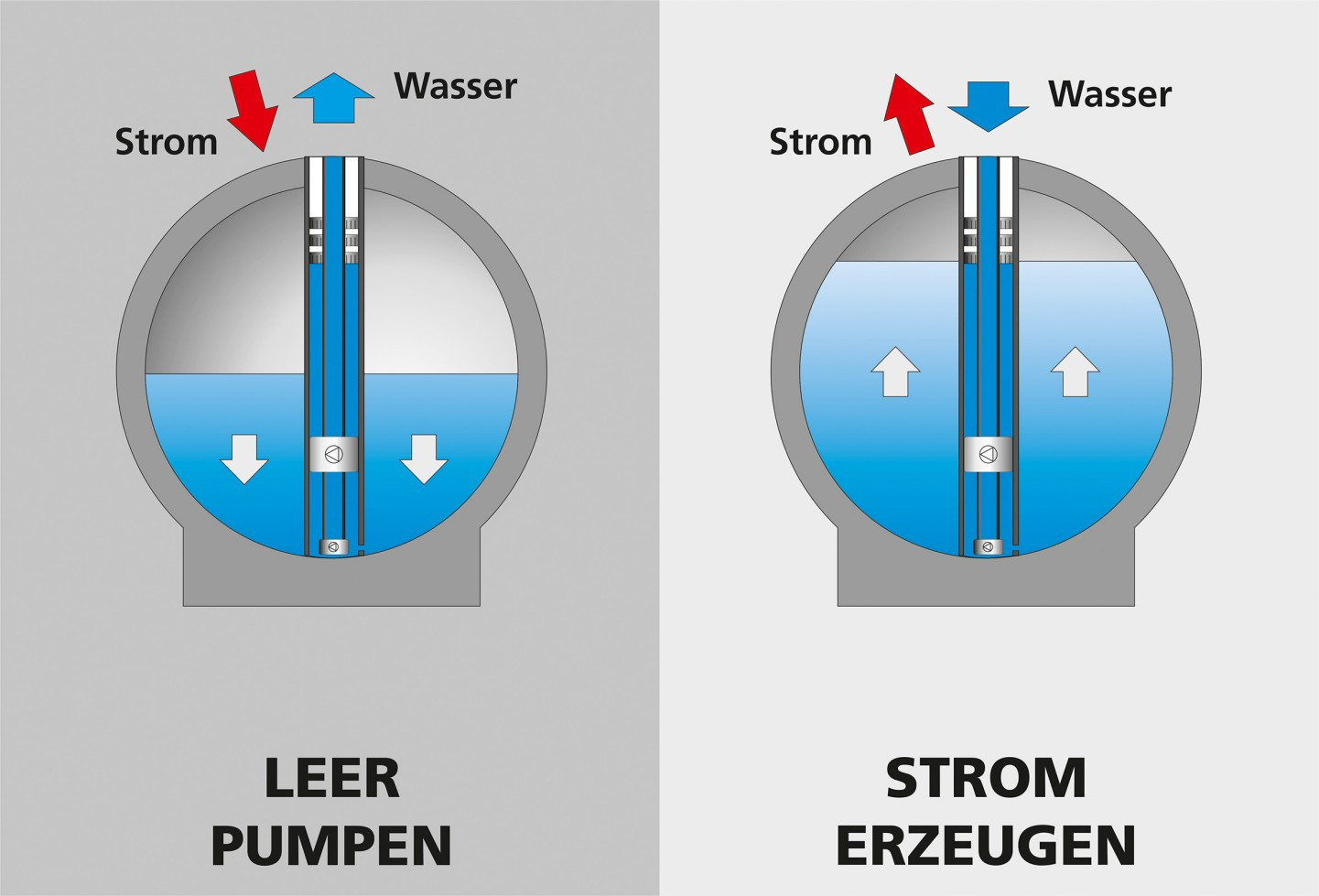
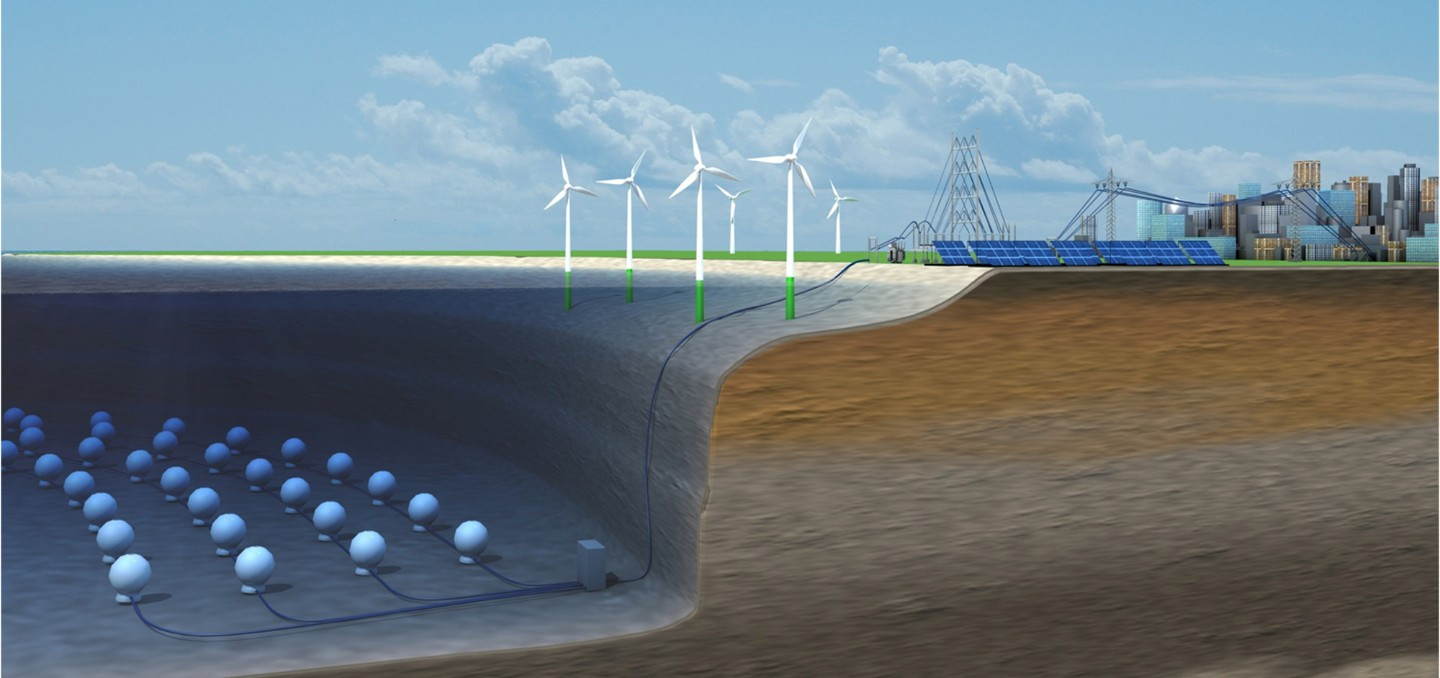
The sphere, placed empty on the seabed, represents a fully charged state. Opening a valve lets seawater flow in under about 60 atmospheres of pressure—the force exerted by the 600 meters of ocean above. This inflow drives a pump-turbine backward, turning a generator that transmits power via cable to the shore grid or nearby offshore wind installations. To recharge, the pump-turbine reverses, pushing water out against the same pressure. This cycle of charging and discharging can run continuously.
The round-trip energy efficiency ranges between 75% and 80%, a bit lower than land-based pumped-hydro, but competitive within the spectrum of long-duration energy storage technologies currently vying to support power grids.
Why the Ocean Bottom Is an Ideal Storage Location
According to Dr. Bernhard Ernst, Senior Project Manager at Fraunhofer IEE, “Pumped-hydro is excellent for storing electricity for several hours to a few days, but expanding such facilities on land is globally limited. By taking this concept to the seafloor, we avoid many natural and ecological constraints.”
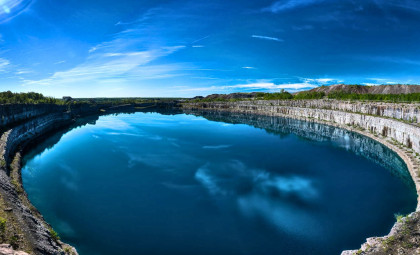
The team selected depths of 600 to 800 meters as optimal—deep enough for sufficient pressure, manageable with existing submersible pump technology, and feasible with standard structural concrete. Using GIS mapping, they pinpointed promising coastal sites along the shores of Norway, Portugal, Brazil, Japan, and both U.S. coasts. Additionally, flooded quarries and deep lakes inland could serve as alternative locations, broadening deployment options.
The Los Angeles-area sphere will be constructed via 3D concrete printing by Sperra, a U.S.-based startup specializing in additive manufacturing for clean energy infrastructure. The key pump-turbine component will be supplied by Pleuger Industries, a Miami-headquartered firm originally from Germany, known for its deep-water submersible pumps.
Financial and Operational Insights
Fraunhofer’s economic analysis is based on a hypothetical storage park consisting of six spheres, providing 30 megawatts of output and 120 megawatt-hours of storage, with about 520 charge cycles yearly. They estimate the cost of storage at roughly 4.6 euro cents per kilowatt-hour, with upfront capital expenses of 1,354 euros per kilowatt and 158 euros per kilowatt-hour of capacity.
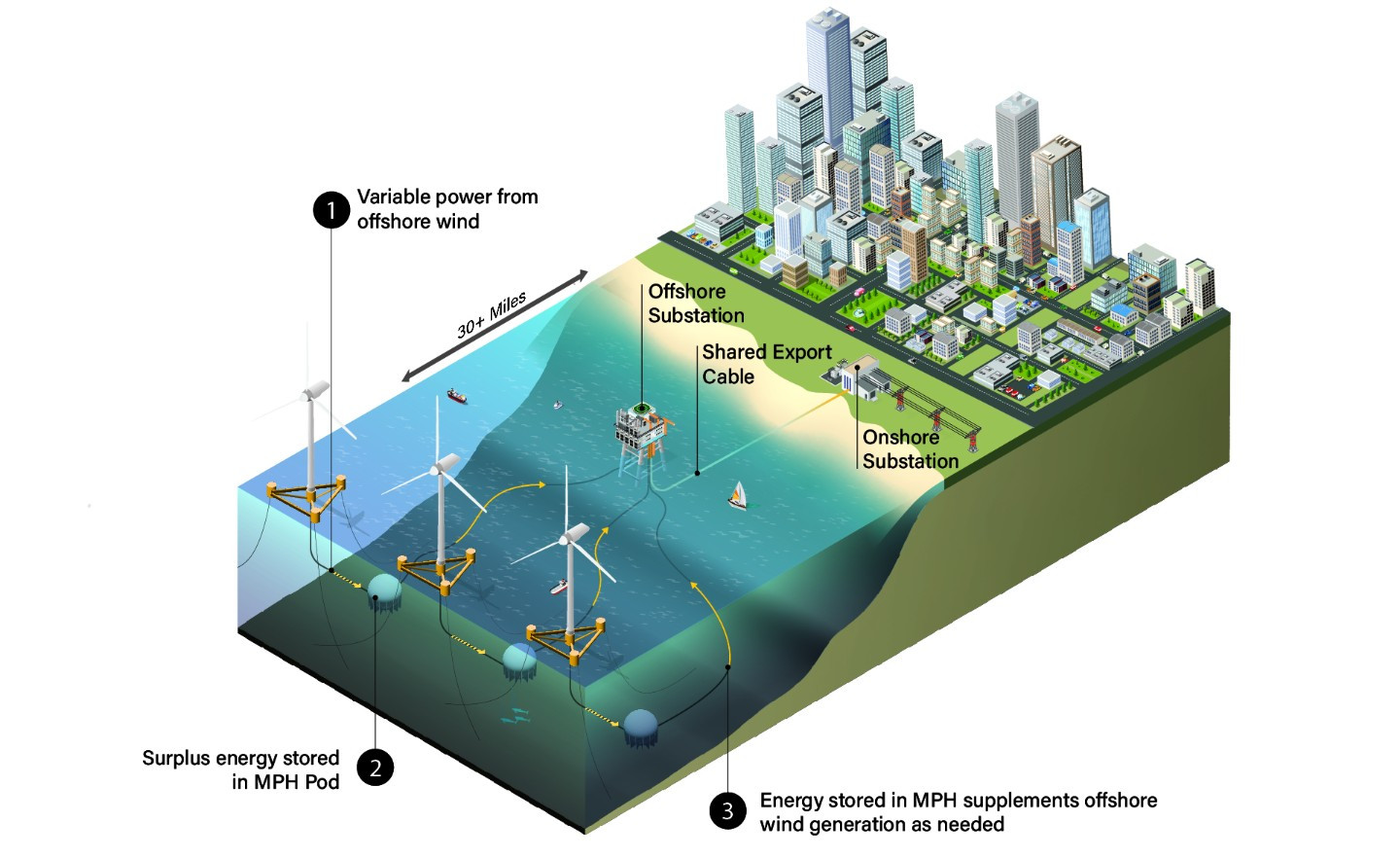
The concrete spheres are engineered for longevity, expected to last 50 to 60 years. The pump-turbine and generator components, which sustain wear from operation cycles, would likely require replacement every two decades. Fraunhofer highlights two revenue sources for operators: energy arbitrage, buying electricity at low cost and selling it when prices rise, and frequency regulation services, where grid managers pay for maintaining supply-demand balance.
Goals of the California Ocean Trial
The upcoming deployment in Long Beach is not intended as a commercial launch but rather a comprehensive examination of the entire lifecycles—from construction and installation to deep-water operation and upkeep. A key focus is whether a nine-meter prototype design can be scaled to 30 meters without sacrificing performance.
A 30-meter diameter sphere would dramatically increase energy storage per unit, making a commercial-scale facility a formidable player in grid-level energy storage. Interesting Engineering reports that, if fully realized, this system could theoretically power tens of millions of European households for a year—though those figures represent maximum potential across prime global locations, not immediate plans.
“With StEnSea’s spherical storage solution, we have created an affordable technology best suited for short to medium-term energy storage,” Dr. Ernst explained. “This U.S. coastal test marks a significant milestone toward scaling and commercializing the concept.”
- Categories:
- News






0 comments
Sign in to Comment