
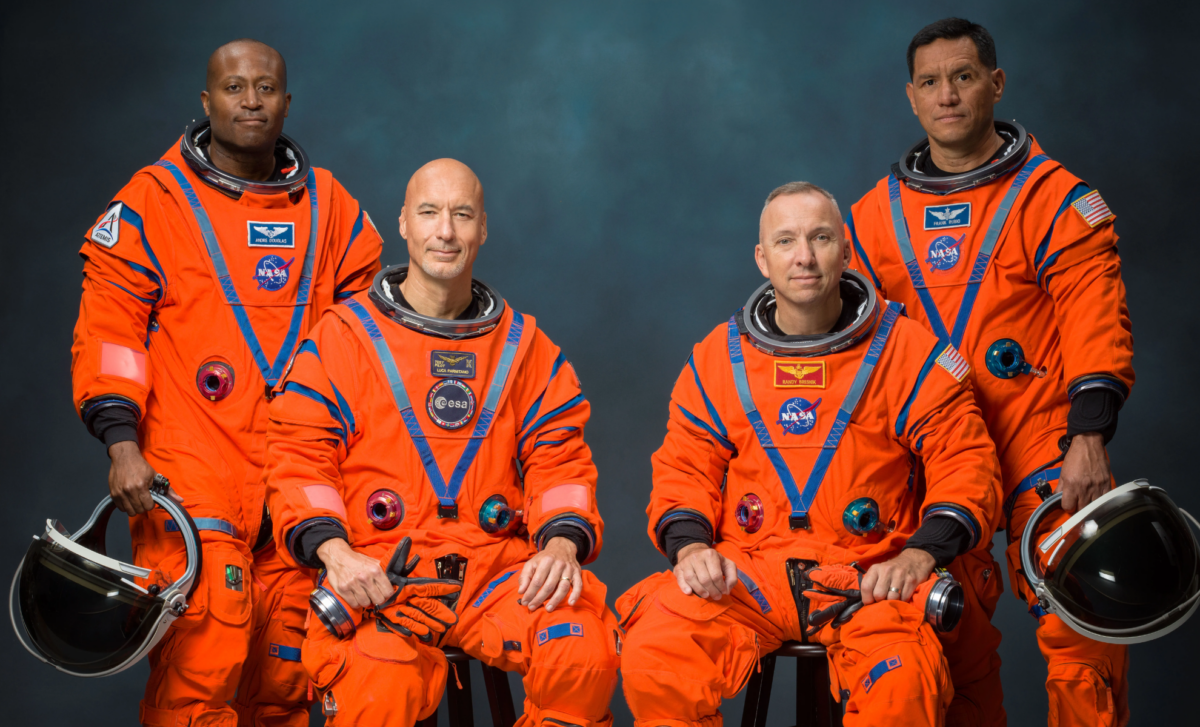
NASA has unveiled the astronaut team selected for its Artemis III mission, slated for 2027, marking a significant milestone in human lunar exploration. This mission will validate essential spacecraft functions in Earth orbit and demonstrate pioneering technologies critical for future moon landings and solar system expeditions.
Introducing the Artemis III Astronaut Team and Mission Details
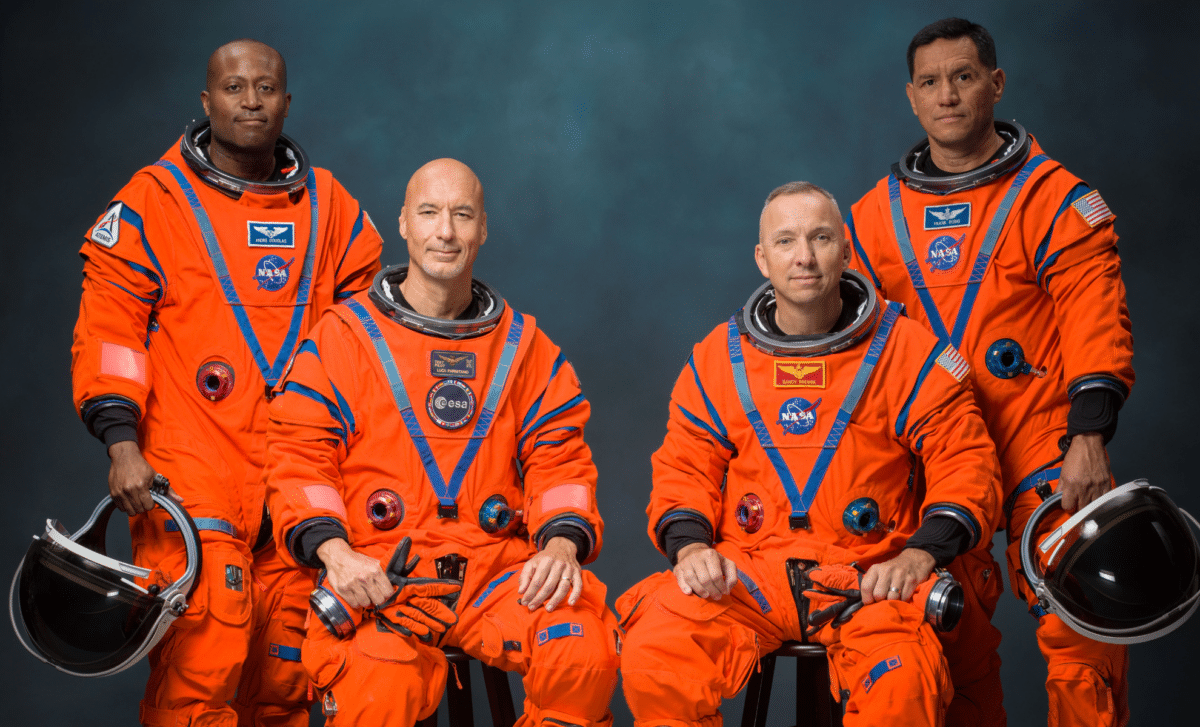
NASA identified the four primary astronauts for Artemis III: Commander Randy Bresnik, Pilot Luca Parmitano, plus Mission Specialists Andre Douglas and Frank Rubio. Bob Hines will serve as the mission’s backup. Their tasks will include complex operations such as rendezvous and docking with prototype lunar landers developed by Blue Origin and SpaceX.
This mission also marks the first time a European astronaut is assigned to an Artemis flight, emphasizing the international cooperation advancing lunar exploration. Crew members will immediately begin training on the Orion spacecraft systems and will support the development of the lunar lander prototypes. Artemis III aims to integrate hardware, software, propulsion, and communications to ensure flawless performance during orbital operations.

Strengthening Global Collaboration
The Artemis III mission embodies NASA’s expanding partnership with global agencies, notably the European Space Agency (ESA). The mission showcases the pivotal role of European expertise in human spaceflight and the essential technology behind the European Service Module, which powers the Orion spacecraft.
“Artemis III will push the boundaries of spacecraft operations in orbit. Luca’s assignment as pilot reflects the depth of European expertise in human spaceflight and draws on his extensive operational experience in high-pressure situations,” said ESA Director General Josef Aschbacher. “At the same time, ESA’s European Service Module will once again provide the critical capabilities that power Orion, demonstrating Europe’s enduring role at the very heart of the Artemis program.”
Introducing Artemis III.
— NASA (@NASA) June 9, 2026
Four astronauts. Three launches. Two dockings. One splashdown.
In 2027, the Artemis III mission will practice docking the Orion spacecraft with two lunar landers in low Earth orbit — the capability we need to return humanity to the Moon’s surface. pic.twitter.com/8uhMUxuuWX
NASA Administrator Jared Isaacman highlighted the importance of international teamwork, stating, “Today we take another bold step in humanity’s return to the Moon, building on the extraordinary foundation laid by the Artemis II astronauts,” said NASA Administrator Jared Isaacman. “Their achievements reignited global excitement for exploration, and now they pass the torch to the Artemis III team, Randy, Luca, Frank, and Andre. Artemis III will demonstrate the power of American innovation and international partnership as we test complex rendezvous and docking operations and advance the technologies that will one day carry us deeper into the solar system. This mission will require the most awe-inspiring coordination of heavy-lift rocket launches in history, drawing on the talent and capability of teams across government and the spaceflight community. The Artemis III astronauts, alongside ESA and our international partners, and the tens of thousands of the best and brightest across the agency and industry, are ushering in a new Golden Age of exploration carrying forward the hopes and dreams of the next generation just as the Apollo astronauts did for so many of us.”
Mission Preparation and Operations
Artemis III will kick off with the launch of the Orion spacecraft aboard NASA’s powerful Space Launch System (SLS) from Kennedy Space Center. Once in low Earth orbit, the crew will perform a series of system evaluations before docking with Blue Origin’s lunar lander test craft for about two days of operations. Following this, Orion will rendezvous with SpaceX’s Starship test vehicle to conduct docking and system integration tests over roughly a day.
The mission’s total duration is approximately two weeks, varying based on live coordination of launches and docking maneuvers. This intricate sequence will rigorously test hardware and operational protocols, setting the stage for Artemis IV and the first crewed South Pole landing scheduled for 2028.
Veteran Astronauts with Specialized Skills
The Artemis III astronaut team brings extensive experience in space and aeronautics. Commander Randy Bresnik is a seasoned space traveler with two prior missions, including command of an International Space Station expedition. Pilot Luca Parmitano, the first Italian to lead the ISS, boasts commanding experience as well. Frank Rubio holds the American record for the longest uninterrupted space mission, while Andre Douglas specializes in systems engineering and autonomous vehicle testing. Backup astronaut Bob Hines has a strong background as a research pilot and served as the pilot for SpaceX Crew-4.
The diverse expertise of this crew is crucial for executing challenging tasks such as docking maneuvers, hardware tests, and evaluation of commercial lunar landers. Their combined skills highlight NASA’s dedication to accuracy, security, and global teamwork in advancing space exploration.
Integration of Commercial Technologies and Lunar Landers
Blue Origin and SpaceX are both developing specialized lunar landers for this mission. Blue Moon by Blue Origin and a lunar variant of SpaceX’s Starship will be used as test platforms in orbit, allowing astronauts to rehearse docking and transfer procedures. NASA engineers are actively involved in the design, testing, and assessment to ensure these commercial systems meet strict standards for human spaceflight.
Additionally, Artemis III will conduct evaluations of Orion’s heat shield, service module compatibility, and docking mechanisms. This holistic approach is designed to gather essential insights and operational experience for forthcoming crewed missions while promoting the growth of commercial lunar technologies.
- Categories:
- News










0 comments
Sign in to Comment