
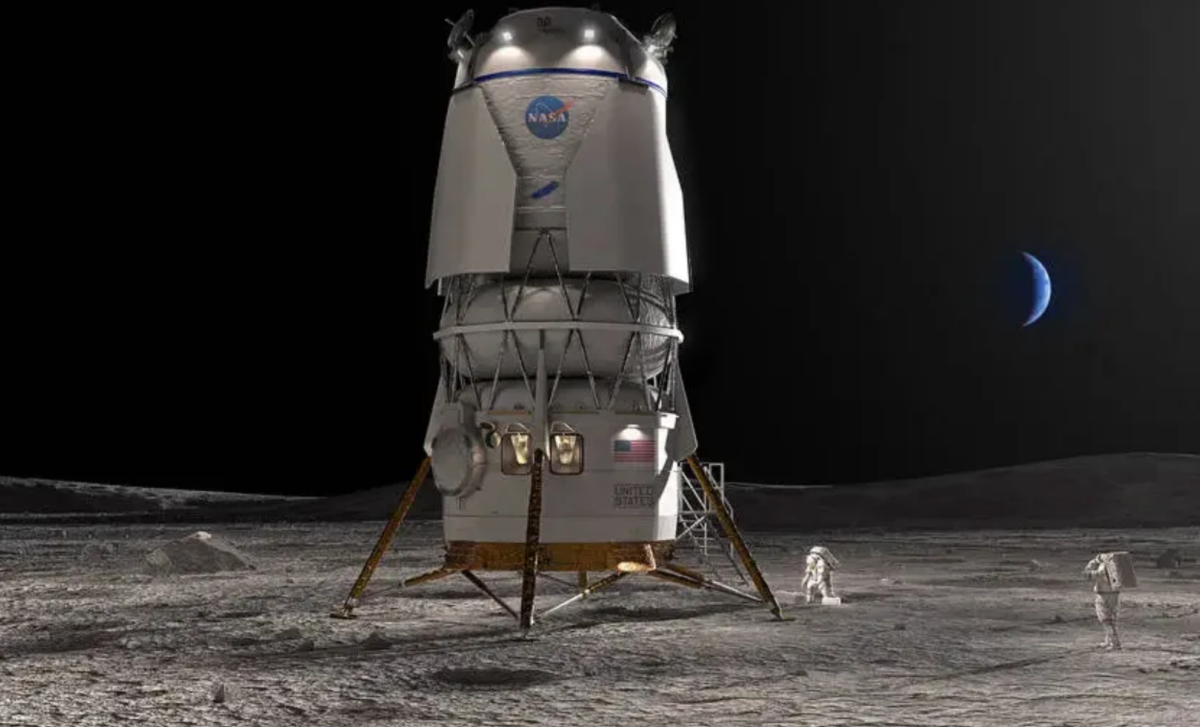
NASA’s upcoming mission, Artemis III, represents a vital phase in humanity’s quest to revisit the moon and establish a lasting foothold there. Scheduled for launch in 2027, the mission aims to validate the critical technologies necessary for sustained lunar exploration, setting the stage for future human presence beyond Earth.
Prioritizing Testing and Accuracy
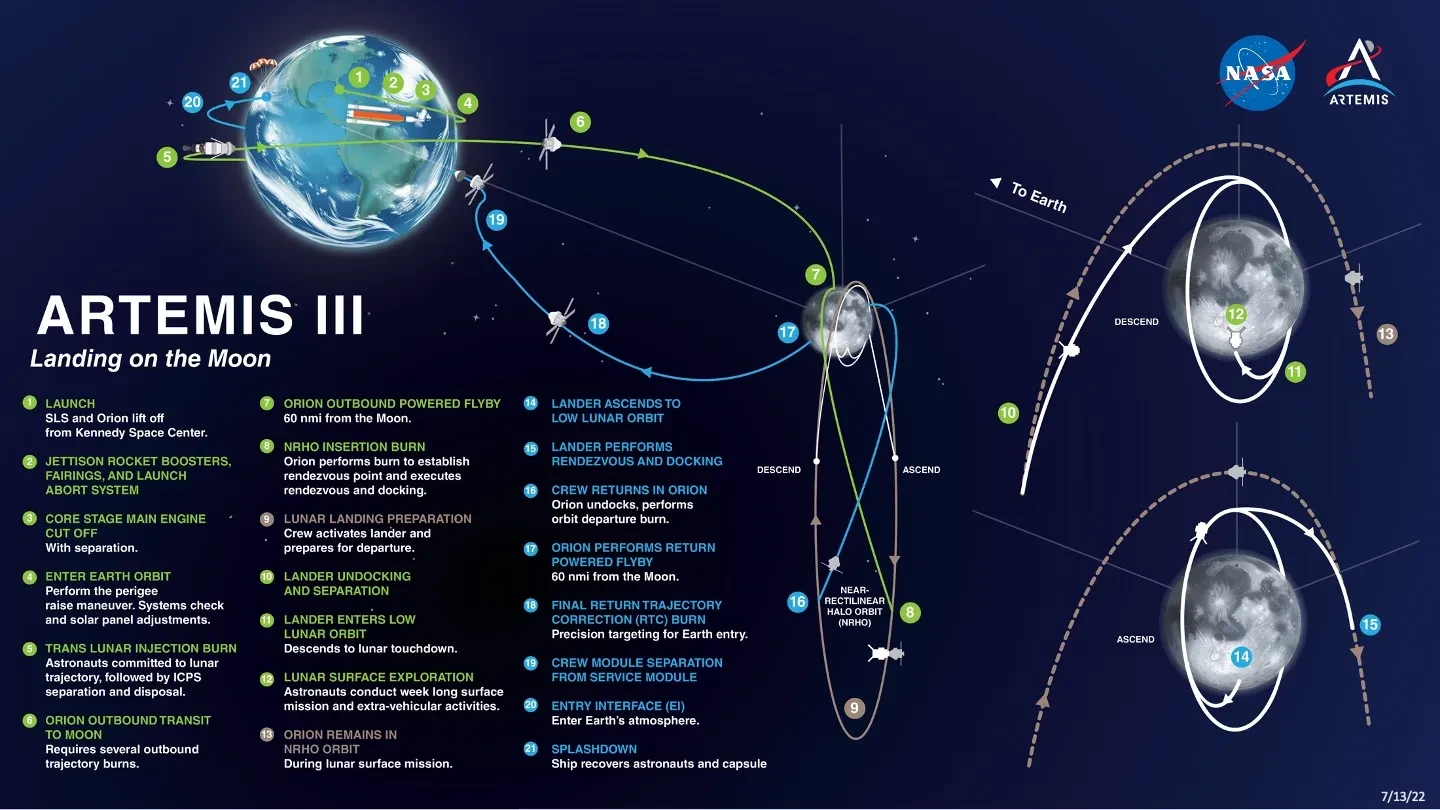
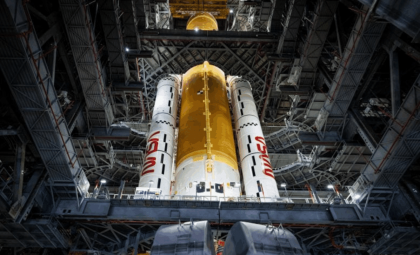
Unlike the previous Artemis II flight that orbited the moon with four astronauts aboard the Orion spacecraft, Artemis III will concentrate on demonstrating the capabilities of the lunar landing system. With the Space Launch System rocket and Orion capsule proven ready, NASA’s focus shifts to ensuring safe astronaut transit from lunar orbit to the surface. This methodical progression highlights NASA’s commitment to verifying each element’s reliability before committing crews to lunar landings.
The mission will mainly operate in low Earth orbit, where astronauts will practice docking maneuvers with a lunar lander potentially produced by SpaceX or Blue Origin. This critical rehearsal addresses potential risks during lunar descent, making Artemis III a foundational step toward Artemis IV’s planned moon landing.

A Revised Strategy: From Historic Landing to Critical Testing
Initially, Artemis III was expected to be the mission that ended the five-decade gap in lunar landings. Recently, NASA adjusted its approach, emphasizing risk reduction and operational preparedness.
“This is just not the right pathway forward,” NASA Administrator Jared Isaacman said when announcing the revised plan in February. “Going right to the moon … is not a pathway to success.”
By transforming Artemis III into a mission focused primarily on evaluation, NASA aims to iron out potential challenges and perfect procedures, ensuring future moon landings are safer and more reliable.
Leveraging Private Sector Innovation for Lunar Landers
Although NASA has designed and built the rocket and crew capsule, the lunar landers are being developed by private companies. SpaceX and Blue Origin are competing to supply the spacecraft responsible for safely transporting astronauts from lunar orbit to the surface. Testing Orion’s compatibility with these landers will guide NASA’s choices for design and mission plans. These landers are not just vital for crew transport, but also for delivering essential cargo, which is key to establishing a sustainable human presence.
This collaboration underscores NASA’s strategy of partnering with industry innovators to drive space exploration forward. Ensuring reliable resupply missions will be fundamental to creating an enduring lunar base and supporting future ventures to Mars.
- Categories:
- News








0 comments
Sign in to Comment