
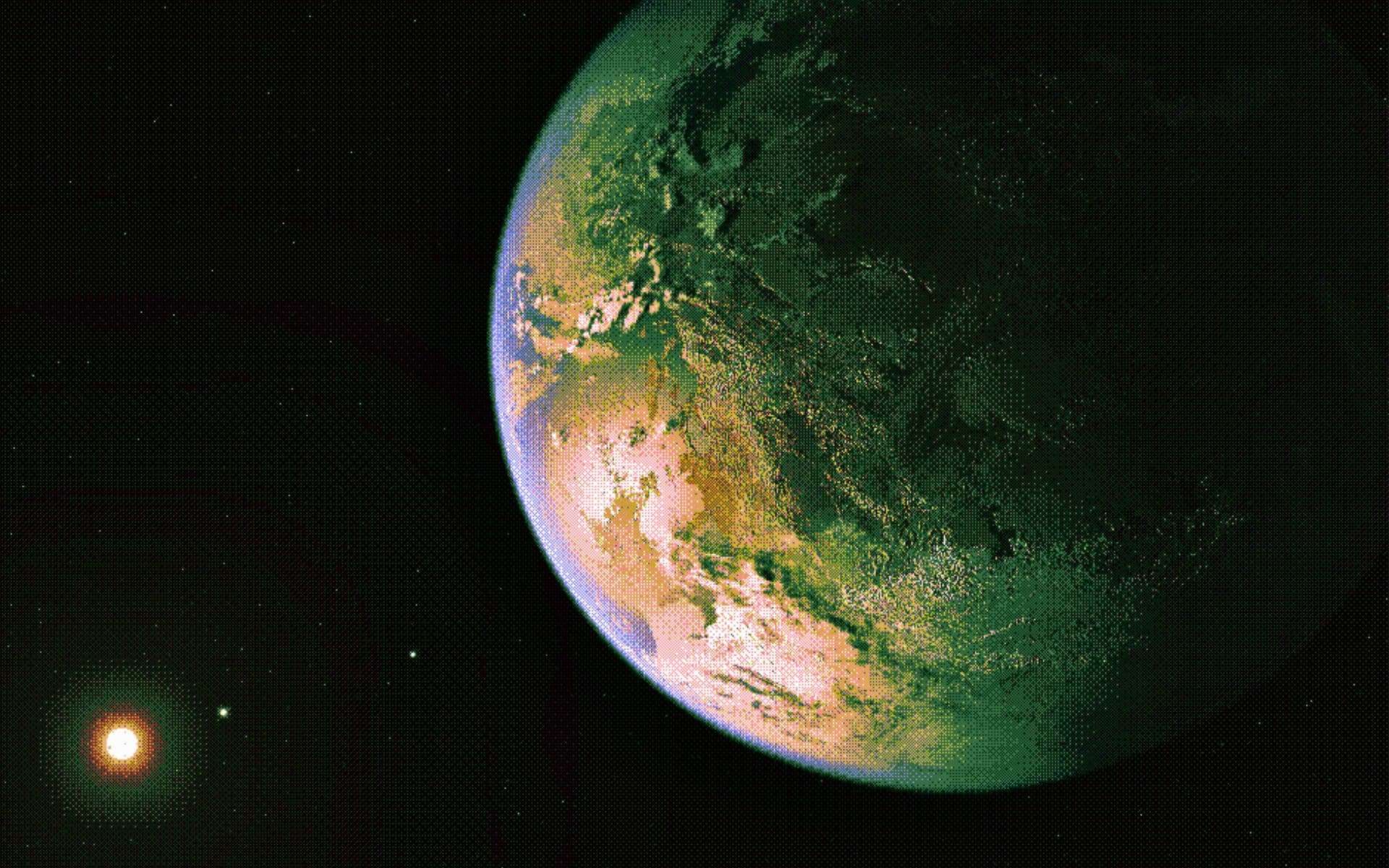
Scientists searching for life beyond Earth often target the habitable zone, where liquid water might exist on exoplanets. Yet, emerging research reveals that simply orbiting within this zone does not ensure a planet’s safety from cosmic hazards.
Hazards Extending Beyond the Habitable Zone
Finding exoplanets in habitable zones remains vital, but these worlds may endure extreme environmental threats. A forthcoming paper in The Astronomical Journal, led by Tisyagupta Pyne from Visva-Bharati University, highlights dangers from nearby stars in crowded stellar regions. Events such as disruptive stellar flybys and violent supernova explosions have the capacity to strip a planet’s atmosphere or expel it from its star system entirely.
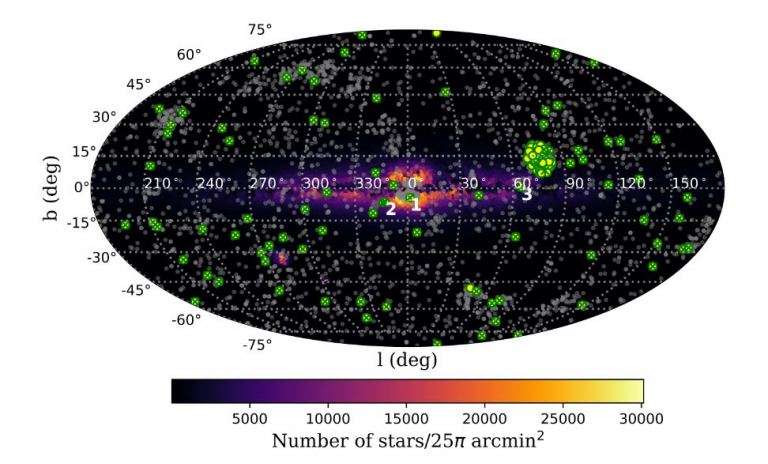
Examining 84 star systems within 10 parsecs of the Sun, the study assessed how stellar neighbors affect potential habitability. It applied indices like the Solar Similarity Index (SSI) and Neighborhood Similarity Index (NSI) to measure how these systems compare to our relatively calm solar environment.

The Risks of Living Near Other Stars
Planets in dense stellar environments face heightened threats, especially from massive stars that may end their lives as supernovae. Such explosions release radiation capable of annihilating atmospheres or damaging life at a genetic level. The study pinpointed two particularly vulnerable systems—TOI-1227 and HD 48265—where nearby massive stars represent significant hazards. Moreover, gravitational interactions from close stellar encounters can eject planets from habitability zones.
HD 165155 was identified as having a notable probability of experiencing a stellar flyby roughly every five billion years, illustrating how even rare interactions can jeopardize planetary habitability.
The research also stresses the importance of long-term environmental stability for the evolution of complex life. Although supernovae in close proximity are uncommon, their catastrophic impact could wipe out life within 50 light-years. Understanding of rogue planets and flyby effects continues to develop, but the findings suggest that conditions conducive to life may be far more fleeting than previously assumed.
Data from the Gaia mission, which charts billions of stars, underpins this work by providing insights into stellar neighborhoods, though limitations remain in detecting fainter and more distant stars that could influence habitability risk assessments.
The Fragility of Life-Friendly Worlds
This investigation raises compelling questions about whether Earth’s stable, life-supporting conditions are a rare galactic exception. While the habitable zone is a crucial factor in identifying potential life-bearing planets, the surrounding stellar dynamics could easily disrupt or destroy those possibilities.
Upcoming observatories like the Nancy Grace Roman Space Telescope might deepen our understanding of rogue planets and the durability of habitable environments throughout the Milky Way. For now, it’s apparent that the cosmic landscape poses profound challenges to sustaining life beyond our solar system.
- Categories:
- Space






0 comments
Sign in to Comment