
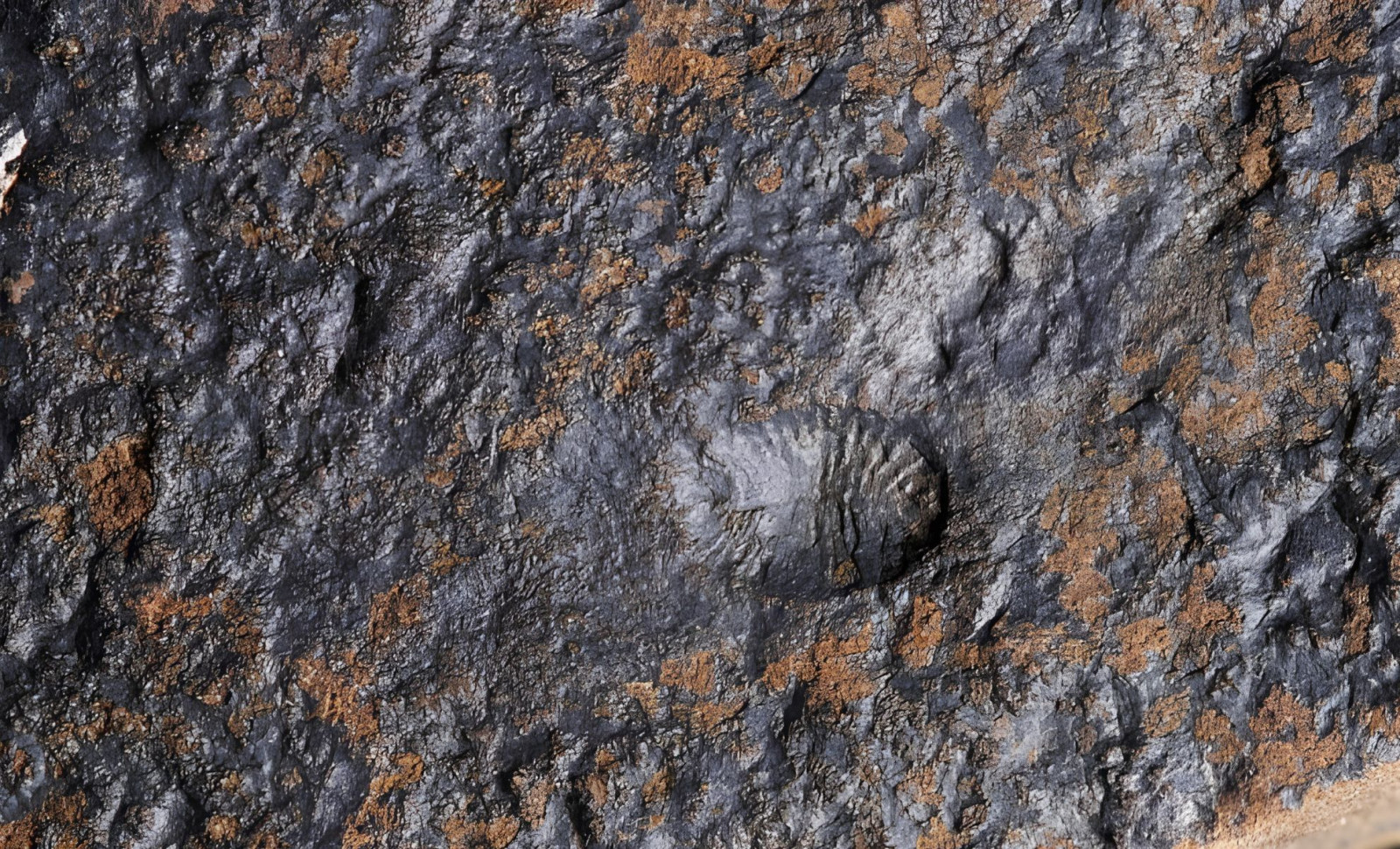
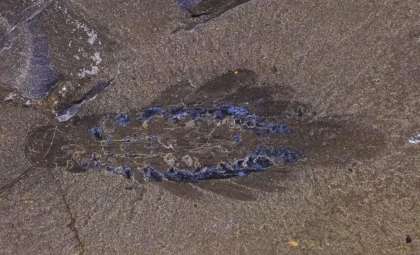
A groundbreaking fossil find in Canada is altering our understanding of animal evolution. Fossils dating back 567 million years indicate that early animals were already capable of movement, reproduction, and developing intricate structures far earlier than previously believed.
These fossils belong to the enigmatic Ediacaran biota, a group of ancient oceanic lifeforms that emerged after billions of years dominated by microscopic organisms. These creatures represent one of the earliest phases when life grew large enough to be visible and exhibited traits now typical of animals.
A report in Science Advances highlights a discovery by scientists at the American Museum of Natural History and Dartmouth College who uncovered over 100 fossils in the Mackenzie Mountains. This location yielded specimens of the White Sea assemblage, an Ediacaran group previously recognized in Europe, Asia, and Australia but not found in North America until now.

Uncovering a Key Gap in the Fossil Timeline
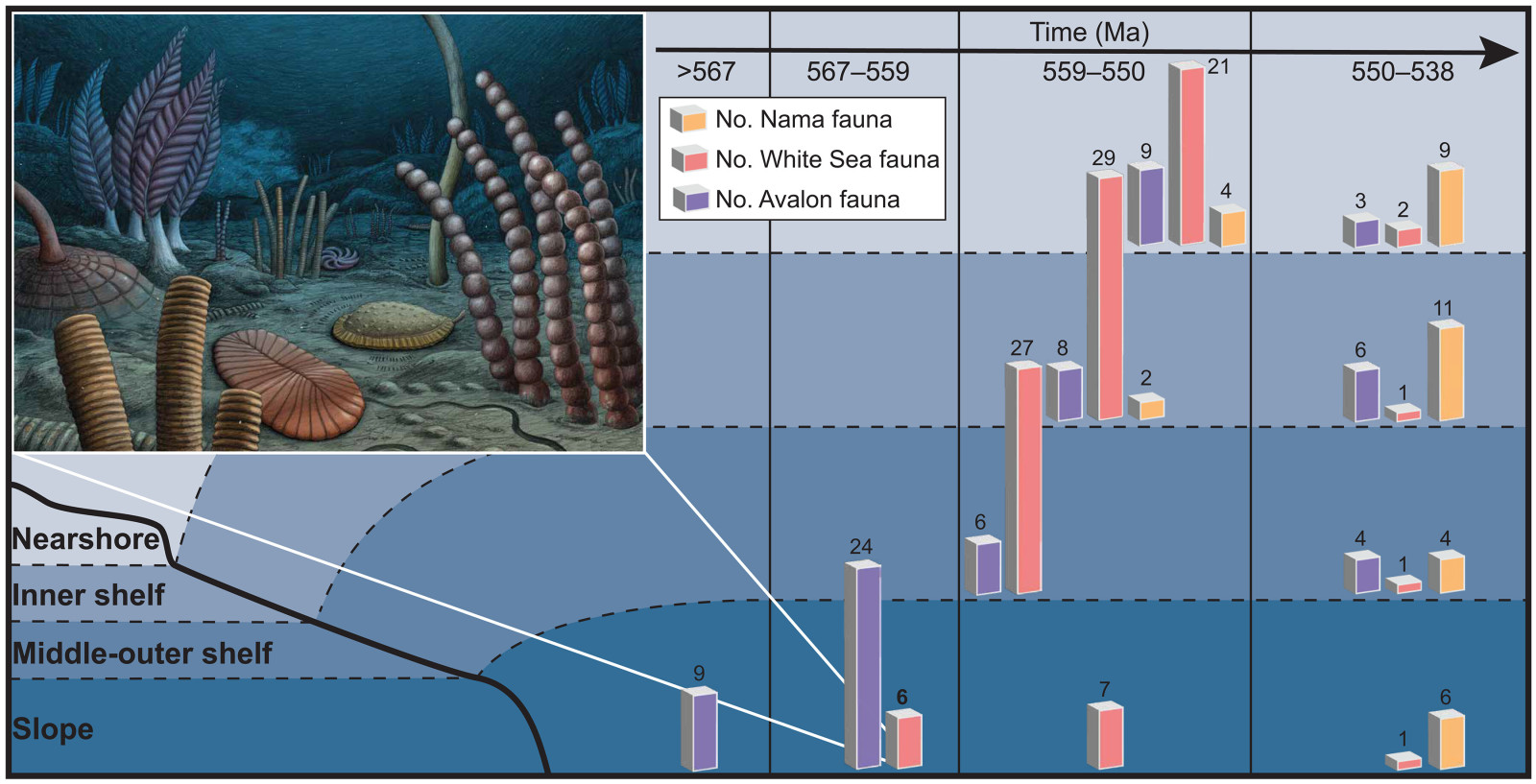
The Canadian fossils, dated to around 567 million years ago, predate earlier known White Sea fossils by 5 to 10 million years. Some fossils even span the era of the older Avalon assemblage, suggesting these two groups coexisted more extensively than once assumed.
Ediacaran fossil records are classified into three principal groups: Avalon assemblage (575 to 559 million years ago), White Sea assemblage (559 to 550 million years ago), and Nama assemblage (550 to 538 million years ago).
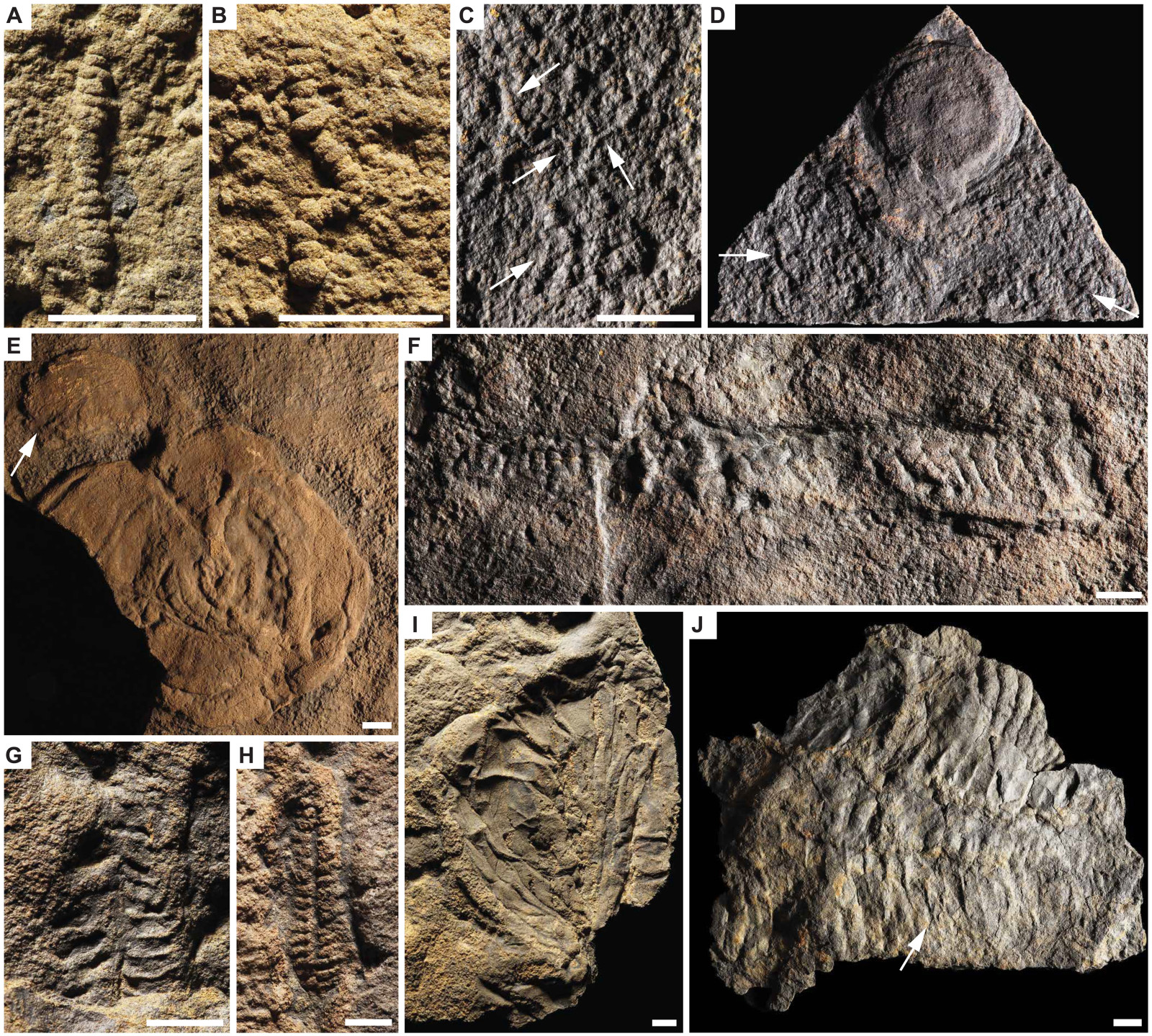
Prior to this finding, North America had no documented White Sea fossil sites. The team identified six organism groups previously unrecorded on the continent.
“This is really exciting,” said Justin Strauss, a co-author of the study and associate professor of Earth and Planetary Sciences at Dartmouth. “Given our understanding of the regional geology in northwestern Canada, there is great potential here to revisit our understanding of Ediacaran Earth history.”
Evidence of Early Animal Behaviors Emerges
The fossils show that various behaviors typical of modern animals were already present much earlier. One notable example is Dickinsonia, a flat-bodied organism that moved across the ocean floor. Lacking a mouth, it likely absorbed nutrients such as bacteria and algae through its underside. Its form resembles a segmented pancake or bathmat.
Another discovery, Funisia, was a tubular creature living in colonies of similarly sized individuals. This fossil provides some of the earliest proof of sexual reproduction, likely by releasing sperm and eggs into the surrounding water, resembling reproductive methods found in some modern sea animals.
Kimberella—another significant specimen—possessed a muscular foot used to scrape the seafloor while feeding. It is viewed as an early ancestor of mollusks and potentially the oldest known bilaterian, animals characterized by symmetrical body patterns. Additionally, the researchers identified Eoandromeda, possibly a primitive comb jelly featuring eight spiral arms.
Insights Into Early Marine Habitats
The study published in Science Advances suggests a shift in perspectives about where early animals thrived. These fossils were unearthed in deeper marine zones than those typically associated with the White Sea assemblage.
Lead author Scott Evans explains that the results imply major evolutionary developments might have begun in the ocean’s deeper layers before expanding toward shallower coastal waters. The researchers propose that deeper ocean habitats possibly provided a more consistent environment, with fewer fluctuations in temperature and oxygen availability.
“These results suggest a pattern where evolutionary innovation begins in deeper environments and later spreads toward the coast,” Evans noted. “We think of the deep ocean as a dark, inhospitable place, but it is also relatively stable, with few fluctuations in things like temperature and oxygen essential to most animal life. This stability may have provided key opportunities to support early animal life.”
- Categories:
- News



0 comments
Sign in to Comment