
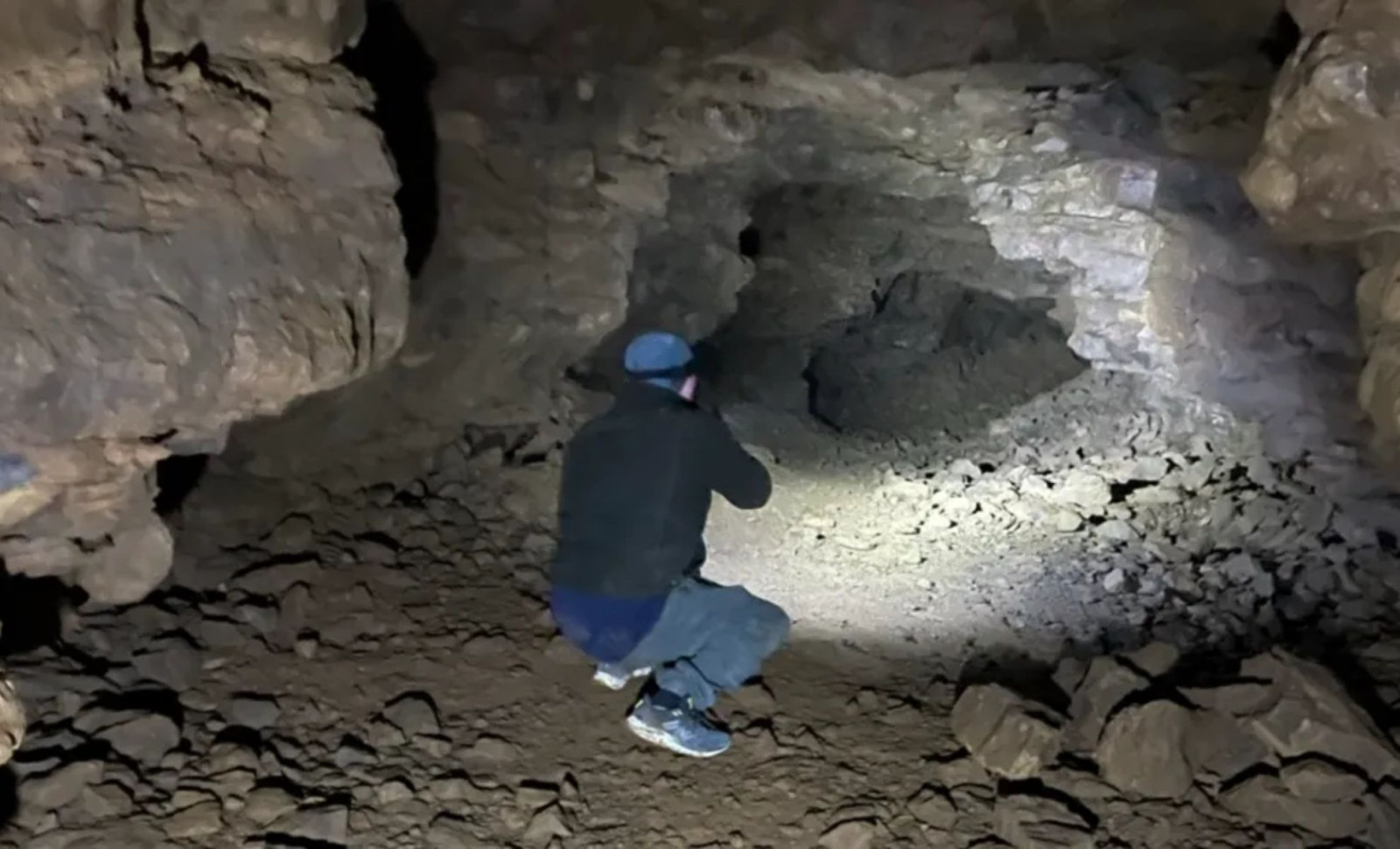
An intricate maze of subterranean tunnels has recently been revealed underneath Bloxham village in Banburyshire, capturing the curiosity of historians and local residents alike. Years of folklore about hidden underground routes have now evolved into a committed archaeological inquiry as explorers began their investigations in 2024, unraveling the secrets buried below the village.
Stories about secret passages beneath the area circulated for a long time, supported at times by amateur records from locals. It wasn’t until this year that a dedicated collective, reinforced by expert assistance, undertook thorough explorations to validate these claims.
The Birth of the Bloxham Underground Tunnel Society
The organization spearheading the research, known as the Bloxham Underground Tunnel Society, was established following a spirited debate on the Bloxham community Facebook page in September 2024. Founding member David Green pointed out that some of the online information wasn’t fully accurate.

“A few of the comments were thought not be accurate, so we decided to investigate some of the myths and the published articles involving the tunnels,” adding that, “there are thousands of underground tunnels and passages in Britain that historians still cannot explain. People are going about their daily lives are walking the streets and countryside and driving on roads without realising what lies beneath. We are slowly uncovering Bloxham’s secret past – and there is still lots to do.”
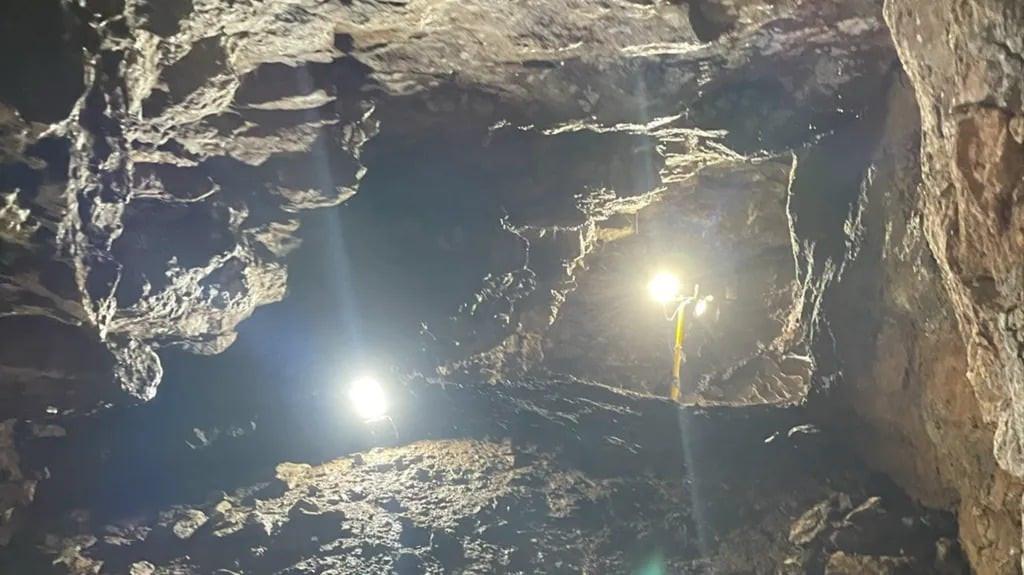
The team swiftly secured cooperation from specialists including Professor Colin Eddie, a foremost authority on tunnel structures, and Dr. Henry Pairaudeaua, an expert in tunnel engineering. Assistance also came from the Birmingham University Caving Club, who contributed valuable experience in underground expeditions.
Artifacts from the Initial Exploration
According to the local publication Banbury Guardian, early investigations uncovered several notable remains, such as a glass bottle from the Victorian era and a leather shoe sole, believed by Green to originate from the same timeframe. Additional discoveries like pottery fragments and a tin vessel provide further evidence that the tunnels have considerable historical depth.
“It was a fantastic experience for us all,” he said. “We still have a lot to learn about this tunnel.”
Beyond physical excavation, the group examined archival records like past issues of the Banbury Guardian for references related to tunnels discovered previously. A key highlight was the rediscovery of a large cave on Cumberford Hill, initially uncovered in 1908 and revisited in 1954.
A Most Recent Remarkable Discovery
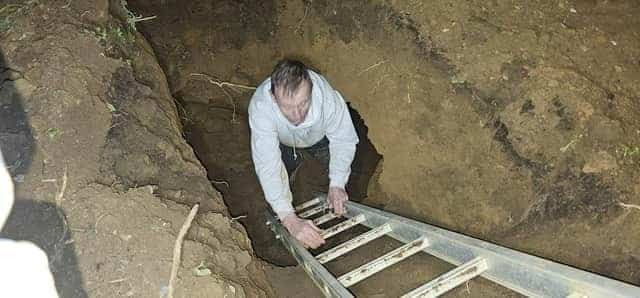
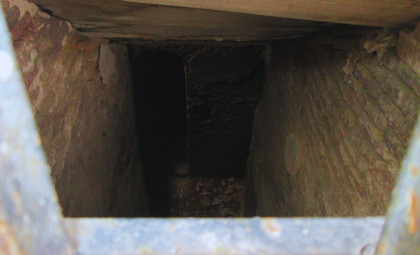
One of the latest and most groundbreaking discoveries occurred during construction work for a garage foundation at a local residence, where an excavator exposed an entrance to yet another subterranean passage. The team also identified small bones, including a red deer skull, which could prove essential in determining the origins and function of the tunnels. According to sources:
“Our most amazing discovery was recent. A tunnel was discovered at the back of the garden of a house, when a digger driver was excavating the soil to put in the concrete footings for a garage. He uncovered a hole of a good size that led into the tunnel. The hole was about four feet deep.”
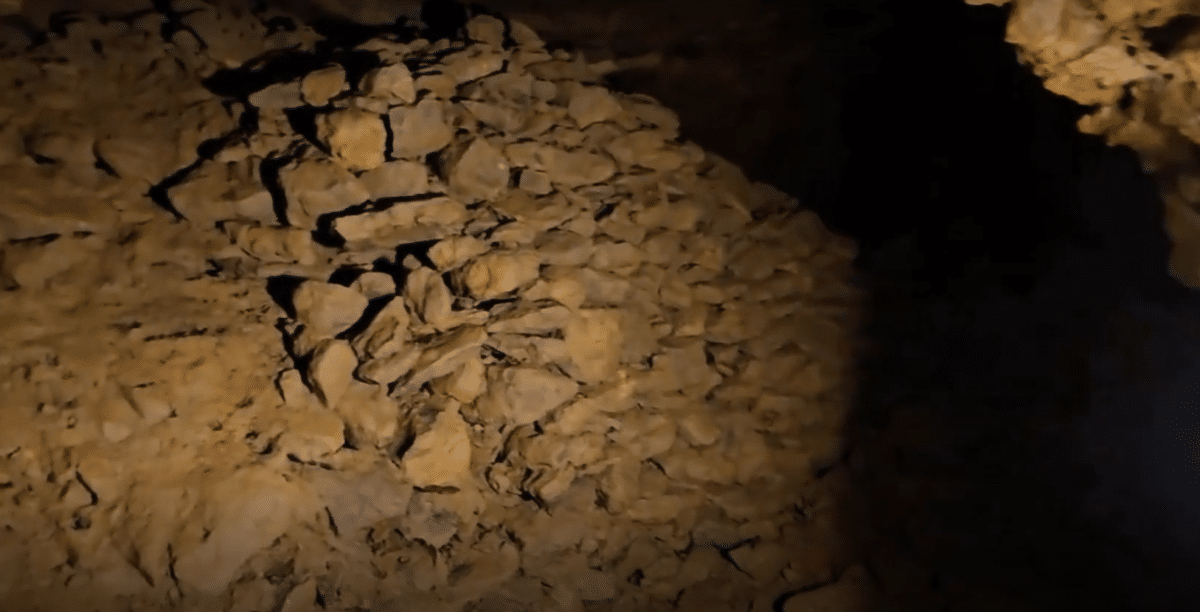
These subterranean corridors seem to have fulfilled multiple roles over time, potentially functioning as sites for mineral extraction, spiritual ceremonies, refuges, or escape routes.
“We found animal bones, and one of the skulls we found was a red deer skull. It was a long, long time ago when red deer roamed the countryside; it was definitely pre-medieval,” Green said. “We need to get it carbon dated, because that will hopefully prove the age of the tunnels, although that is very, very difficult.”
- Categories:
- Science








0 comments
Sign in to Comment