
Deep beneath the Oregon Cascades, a colossal underground water reservoir has been identified, containing over twice the volume of Lake Mead. This discovery unveils a vast hidden system of water moving through volcanic rock within one of North America's most geologically active mountain chains.
Researchers have pinpointed what might be the largest volcanic aquifer globally, located beneath the rugged Cascade slopes. This vast groundwater body, trapped within porous rock formations, challenges previous perspectives on subsurface water storage and flow under mountainous regions.
Extending approximately 700 miles from Northern California to British Columbia, the Cascades have formed through millions of years of volcanic activity. The state of Oregon, where older Western Cascades meet younger High Cascades, offers scientists a unique natural laboratory to explore how geological changes shape underground water pathways.

A Vast Continental-Scale Aquifer Revealed
The aquifer is estimated to hold at least 19.4 cubic miles (81 cubic kilometers) of water. Published in PNAS , the research highlights this reservoir's capacity as more than double that of Lake Mead, exemplifying a rare natural water storage system on a continental scale. Leif Karlstrom, Earth scientist at the University of Oregon, commented in a press release:
“It is a continental-size lake stored in the rocks at the top of the mountains, like a big water tower. That there are similar large volcanic aquifers north of the Columbia Gorge and near Mount Shasta likely make the Cascade Range the largest aquifer of its kind in the world.”
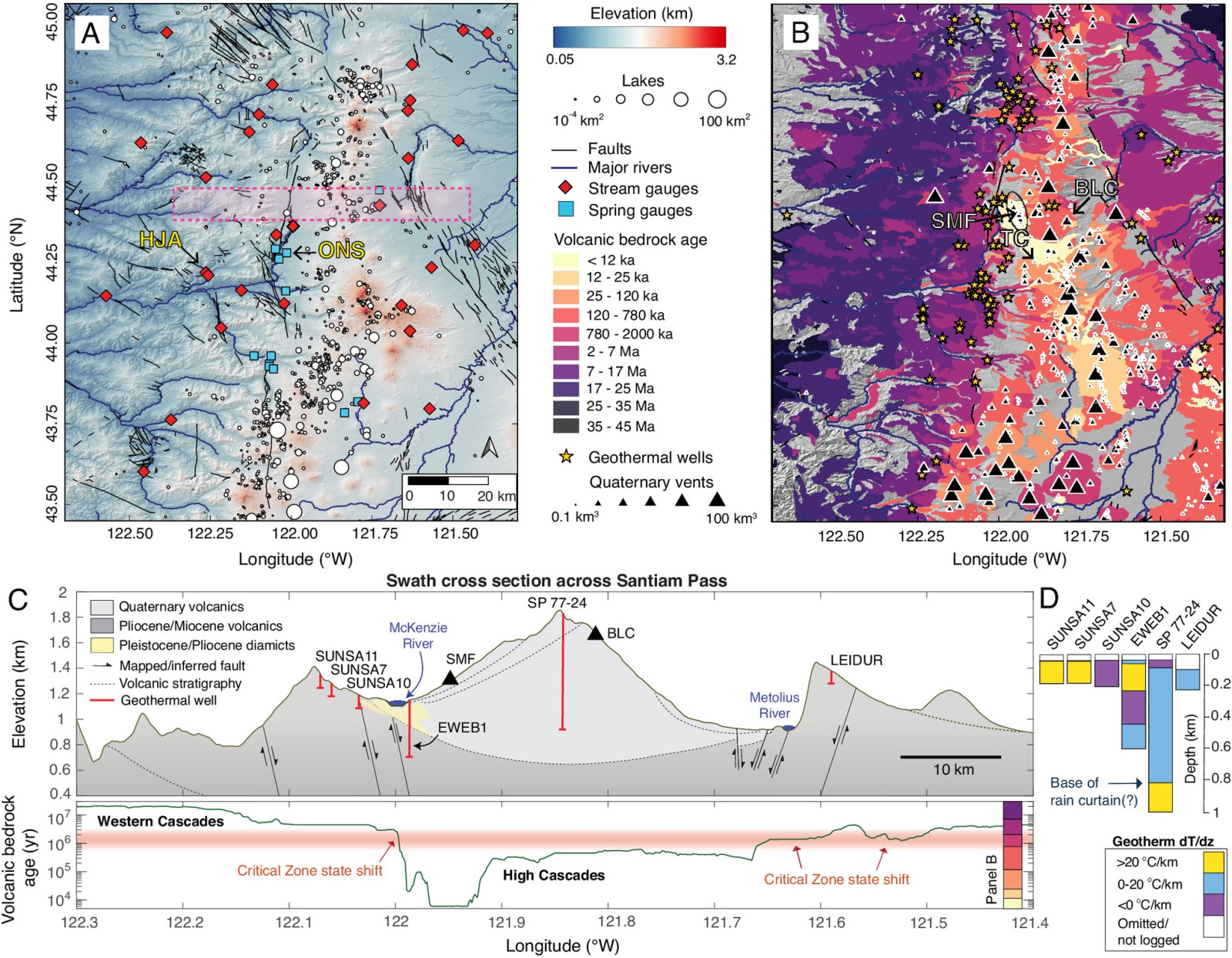
Scientists also highlighted aquifers north of the Columbia Gorge and near Mount Shasta, suggesting the entire Cascade Range may represent Earth's most extensive volcanic aquifer system.
Thermal Data Uncovers Subsurface Water Network
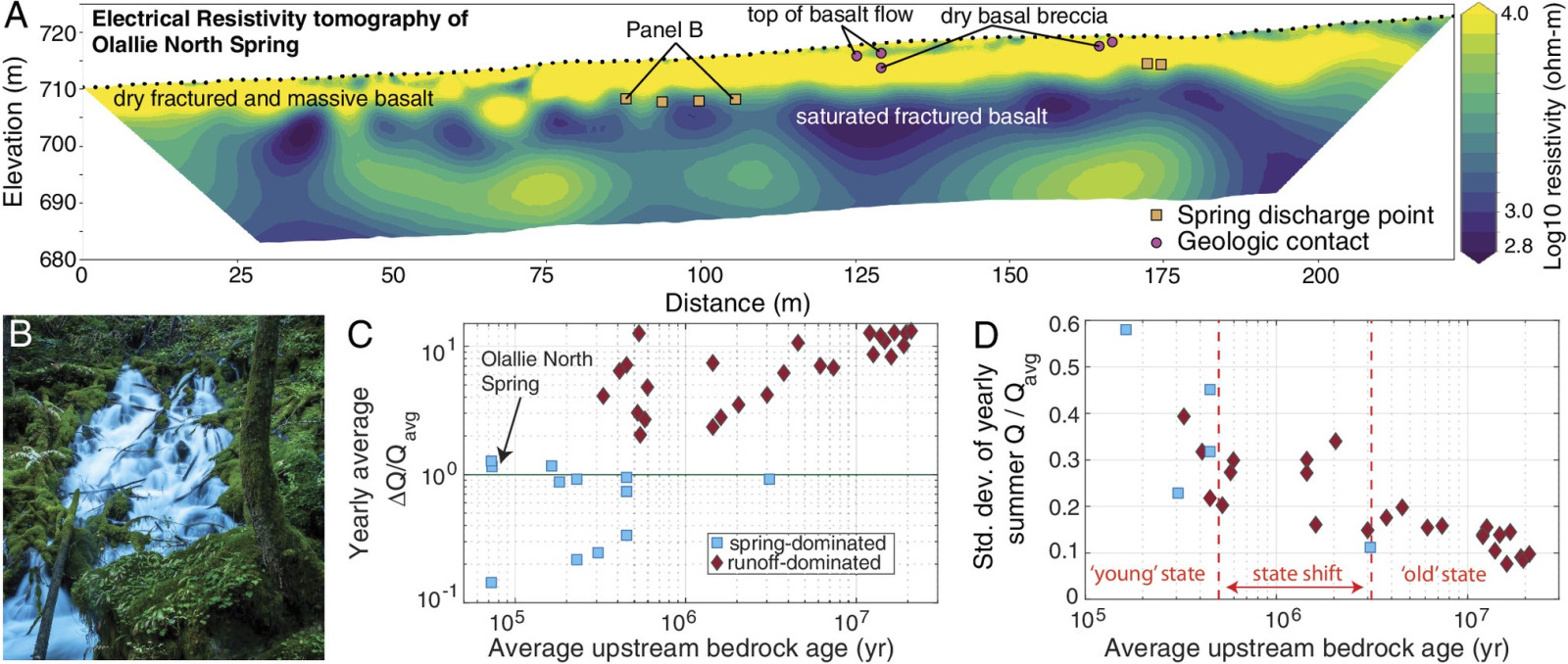
This enormous hidden reservoir was not detected by direct excavation but through thermal measurements taken deep inside the mountains. Typically, rock temperatures rise with depth due to geothermal heat. However, certain layers displayed unexpected temperature stability, indicating water flow within the rock that cools it, thus providing key evidence of subsurface water movement.
Gordon Grant, a hydrologist with the U.S. Forest Service, shared that the project started to enhance understanding of landscape and hydrological evolution. However, it led to remarkable insights:
“We initially set out to better understand how the Cascade landscape has evolved over time, and how water moves through it.” He added, “But in conducting this basic research, we discovered important things that people care about: the incredible volume of water in active storage in the Cascades and also how the movement of water and the hazards posed by volcanoes are linked together.”
Interactions Between Water and Magma Could Trigger Eruptions
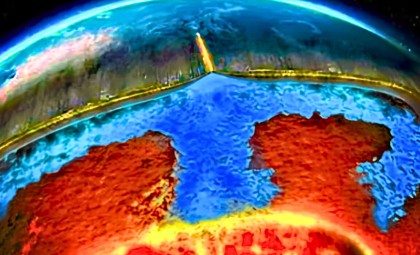
The massive quantity of water stored underground carries significance beyond freshwater reserves. When this water contacts magma, it can vaporize rapidly, escalating subterranean pressure.
“This region has been handed a geological gift, but we really are only beginning to understand it,” noted Grant. “If we don’t have any snow, or if we have a run of bad winters where we don’t get any rain, what’s that going to mean? Those are the key questions we’re now having to focus on.”
The findings suggest that where water from this aquifer infiltrates deep into the Earth's crust, increased pressure could heighten the potential for explosive volcanic eruptions within the Cascades. Understanding these processes may be crucial for assessing volcanic hazards and regional water management.
- Categories:
- Science

0 comments
Sign in to Comment