
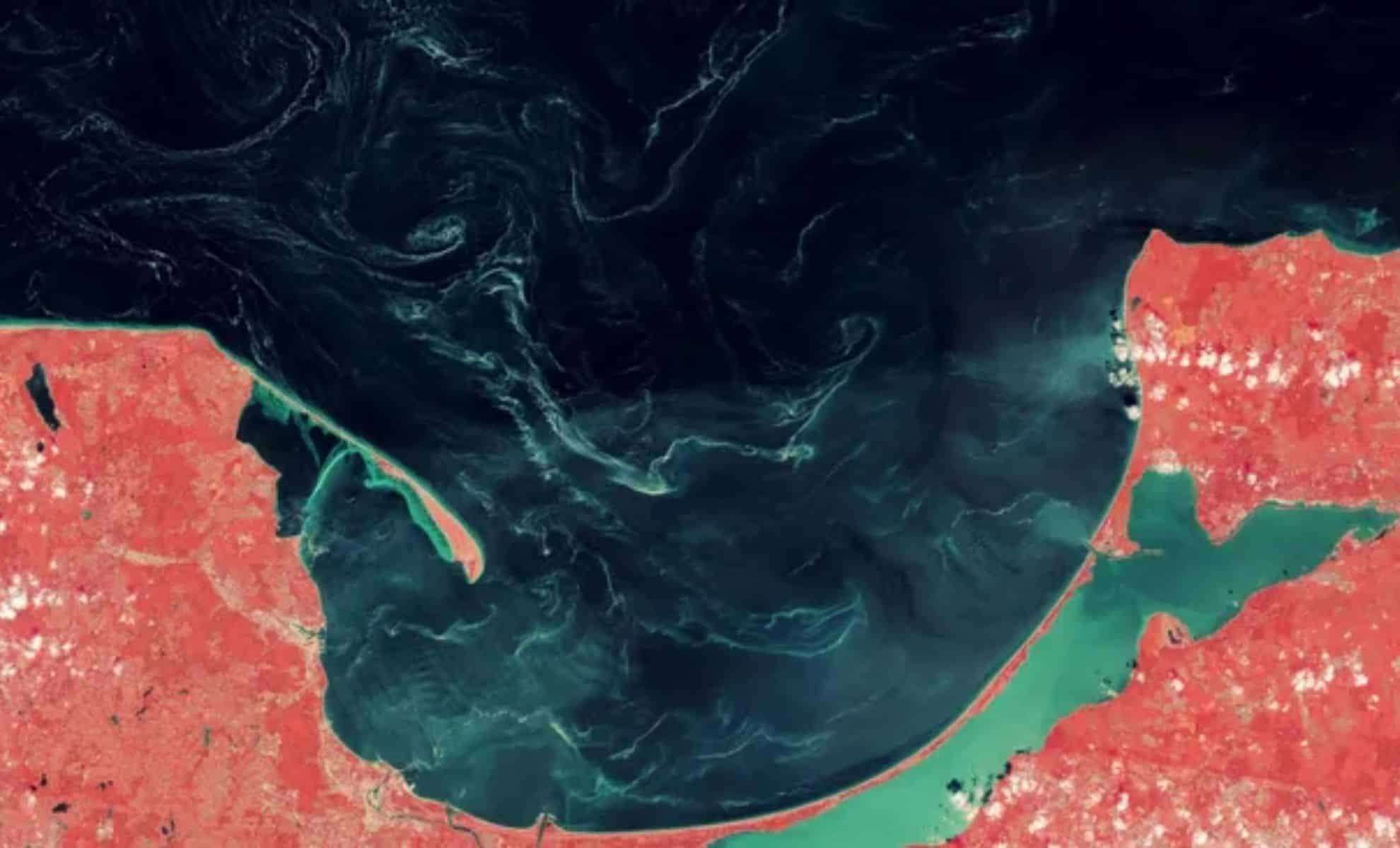
A pioneering 2023 investigation published in Remote Sensing of Environment uncovered a surprising surface feature in the Baltic Sea: expansive streaks formed not by algae or sea debris, but by pine (Pinus sylvestris) pollen. Led by optical oceanographer Chuanmin Hu from the University of South Florida, the research demonstrated that airborne pollen particles accumulate on the water’s surface, shaped by wind and ocean current dynamics. This finding sheds new light on how terrestrial matter interacts with marine ecosystems.
How Pine Pollen Slicks Form and What They Consist Of
The pine pollen slicks spotted in the Baltic Sea stand out due to their unique light-reflecting characteristics. Unlike traditional oceanic events like algae blooms or mucus-like sea layers, these slicks show a distinct reflectance boost between 400 and 500 nanometers — a spectral marker specific to pollen grains. This conclusion was reached by combining satellite observations, fieldwork, and lab tests. Analysis of satellite data collected over 22 years, from 2000 to 2021, identified pollen slick presence in 14 separate years, appearing as early as May 10 and as late as June 16. The longest recorded slick duration was 22 days, spanning from May 12 to June 2, 2018.
These slicks are more than just a visual anomaly—they carry ecological significance. Pollen grains are rich in organic carbon, which influences nutrient cycling within marine habitats. When deposited into seawater, they add organic material that serves as nourishment for various marine organisms. This dynamic resembles how leaf litter supports freshwater ecosystems by providing organic matter for aquatic life. Exploring how pollen integrates into marine food webs remains a promising area for future study.

Satellite Imaging: Bringing Hidden Marine Features to Light
The discovery of these pollen slicks was made possible through cutting-edge satellite imaging technology. The European Space Agency’s Sentinel-2A satellite, outfitted with the MultiSpectral Instrument (MSI), produced false-color images that accentuated the sea’s surface features. These enhanced images showcased the greenish pollen patterns vividly against the deep blue sea. This capability to detect subtle environmental markers highlights the vital role of remote sensing in tracking natural phenomena worldwide. It allows researchers to observe and analyze events that might otherwise go unnoticed, contributing valuable information for science and environmental management.
Broader Ecological and Climate Impacts
The identification of pollen slicks in the Baltic Sea opens new questions about their wider ecological and climatic roles. Pollen, abundant in organic carbon, impacts the marine carbon cycle. Its presence in ocean waters could influence carbon storage and overall marine productivity. As pollen degrades, it adds nutrients that support organisms ranging from microscopic plankton to larger marine species.
Additionally, data suggest these pollen slicks are occurring more frequently and extensively, possibly linked to climate-driven changes. Research from 2021 in North America revealed a 21% rise in annual pollen counts between 1990 and 2018, along with an extended pollen season averaging 20 extra days. This may be due to increased atmospheric carbon dioxide levels stimulating greater pollen production, resulting in more pronounced pollen deposition in marine environments. The long-term effects of this trend are still uncertain, underscoring the importance of continued monitoring.
New Opportunities for Marine and Environmental Research
The study’s insights pave the way for innovative research and practical uses. As Chuanmin Hu, the study’s lead author, stated, “If we can track pollen aggregation in different locations, it could provide valuable information for fisheries research.” Observing pollen slick distribution could help scientists understand ocean currents, nutrient availability, and ecosystem health more comprehensively. Such data could enhance fisheries management and environmental monitoring strategies by integrating pollen patterns as indicators of marine conditions.
Moreover, these pollen deposits might affect aquatic species that rely on certain nutrients or habitats influenced by pollen presence. Delving into these interactions will be key to assessing how terrestrial environmental changes impact ocean ecosystems.
- Categories:
- News







0 comments
Sign in to Comment