
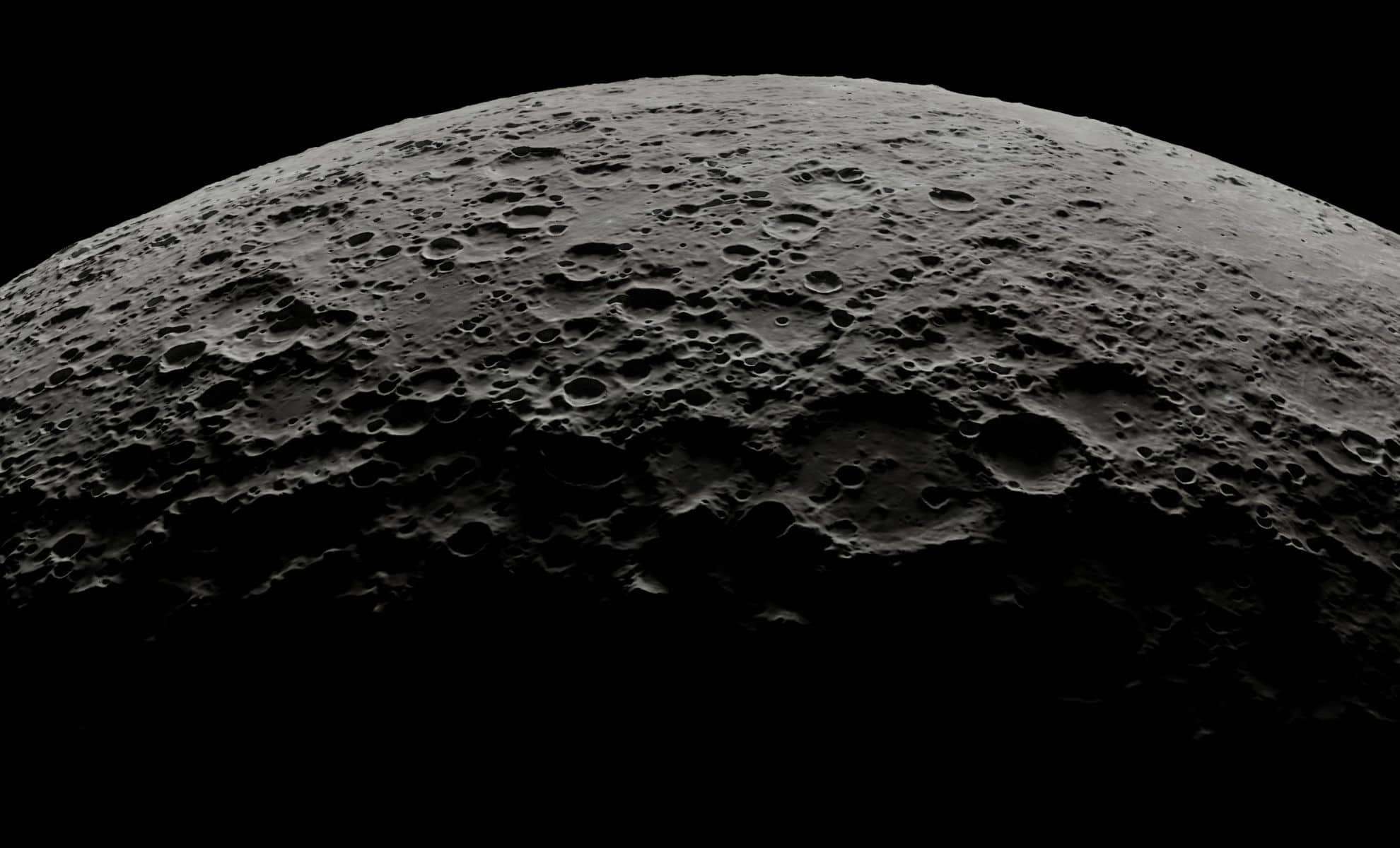
For years, scientists have been intrigued by lunar rocks exhibiting unexpected magnetic properties despite the Moon lacking a global magnetic field today. Analysis of samples from NASA's Apollo missions and satellite data reveal that specific areas, especially on the far side of the Moon, contain rocks with notably strong magnetism. A recent study proposes that this phenomenon might stem from a colossal asteroid collision that occurred billions of years ago.
The Origin of Magnetized Lunar Rocks
Traditionally, the Moon's magnetic anomalies were thought to be remnants of a faint magnetic field generated by a small molten core in its past. Nevertheless, the intensity of this ancient field was probably too weak to magnetize surface rocks significantly. A fresh computer modeling study, conducted by Isaac Narrett, a graduate student at MIT's Department of Earth, Atmospheric and Planetary Sciences, offers an alternative view.
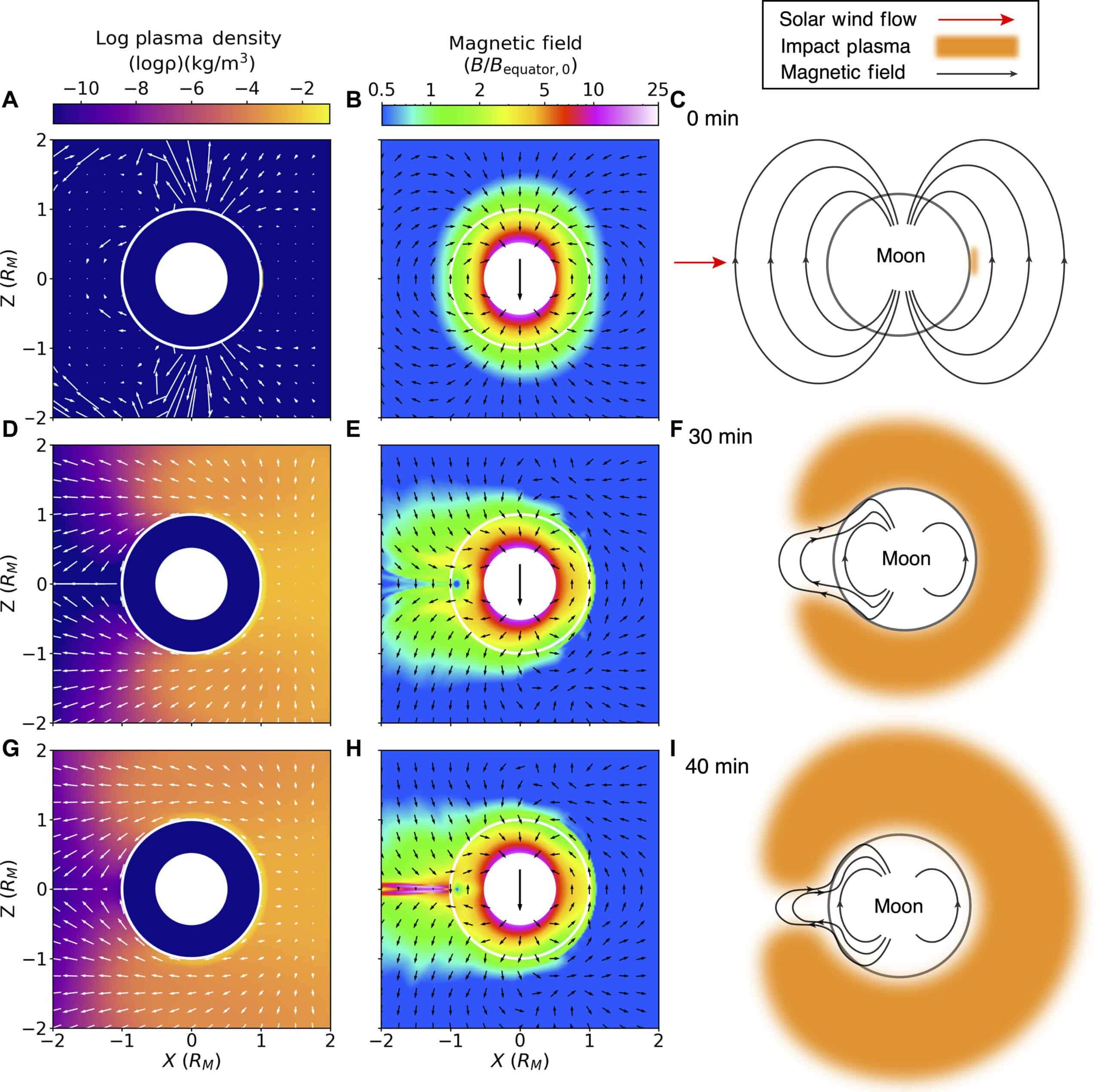
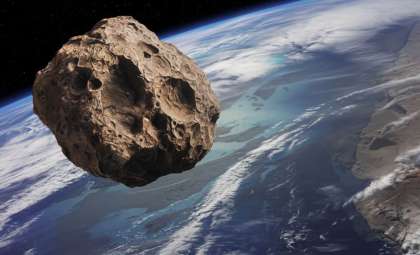
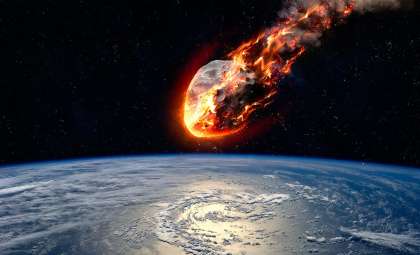
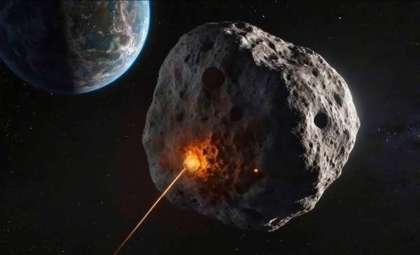
The model suggests that an immense asteroid strike—likely the event that formed the Imbrium basin on the near side of the Moon—temporarily boosted the lunar magnetic field. This impact would have vaporized parts of the surface, creating a cloud of intensely heated, charged plasma that surrounded the Moon. This plasma preferentially accumulated on the side opposite the impact, leading to a temporary surge in magnetic strength in that region.

This fleeting enhancement might have been sufficient to imprint a magnetic signature on far-side rocks, which remains detectable today.
Seismic Activity and Magnetic Lock-In
The research also proposes that the impact sent seismic waves across the Moon that converged on the far side. These waves caused a rapid oscillation in the electrons of nearby rocks. When this electron movement aligned precisely with the peak of the amplified magnetic field, it resulted in the magnetic orientation becoming fixated within the rock's structure.
The entire event likely lasted less than an hour, yet the magnetic imprint it left has endured for billions of years.
Benjamin Weiss, a planetary sciences professor at MIT and co-author, described the process: "Imagine throwing a deck of 52 cards into the air within a magnetic field—each card has a tiny compass needle. As the cards settle, they align in a new direction, which is similar to how the rocks acquired their magnetization."
The Role of Upcoming Lunar Missions
The most prominent magnetic irregularities have been detected near the Moon's south pole on the far side, a region that remains mostly unexplored. Future space endeavors, including missions under NASA’s Artemis program, aim to investigate this area. Discovering rocks there that show both impact-related features and preserved magnetism would provide strong evidence supporting the asteroid impact theory.
"There are still many unanswered questions about lunar magnetism," Narrett emphasized, highlighting that this discovery opens new paths for understanding rather than providing a final explanation.
- Categories:
- Space



0 comments
Sign in to Comment