
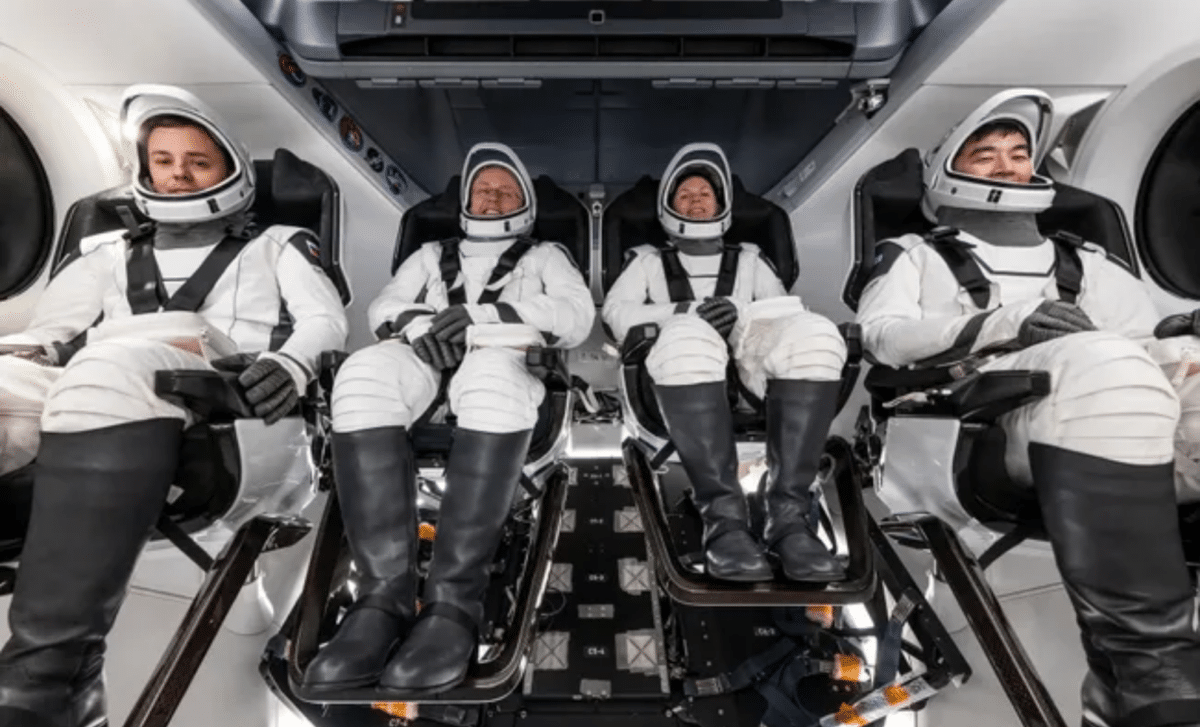
An experienced NASA astronaut faced an alarming and unexplained health event while aboard the International Space Station, highlighting the fragile nature of human health during space travel. The report, released in early 2026 by the Associated Press, emphasizes the critical issue of medical emergencies occurring far from Earth where immediate help is unavailable.
A Sudden Health Crisis on the International Space Station
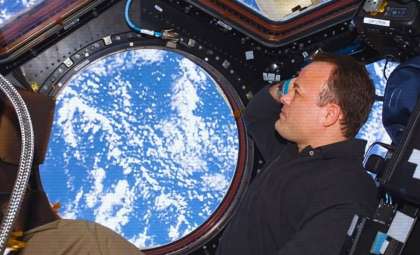
During a routine mission aboard the International Space Station, astronaut Michael Fincke suddenly lost his ability to speak without any warning or clear cause. The abruptness of the event caused immediate concern among his fellow crew members, who swiftly enacted emergency response procedures and consulted flight surgeons on Earth. The station’s confined environment made swift action essential.
“It all happened incredibly fast and unexpectedly,” Fincke described to the Associated Press. “My crewmates immediately recognized the seriousness of my condition. Everyone sprang into action within moments.” Despite utilizing on-board diagnostic tools like ultrasound, the cause remained elusive. The episode lasted approximately 20 minutes, sparking many more questions and revealing vulnerabilities in space health management.

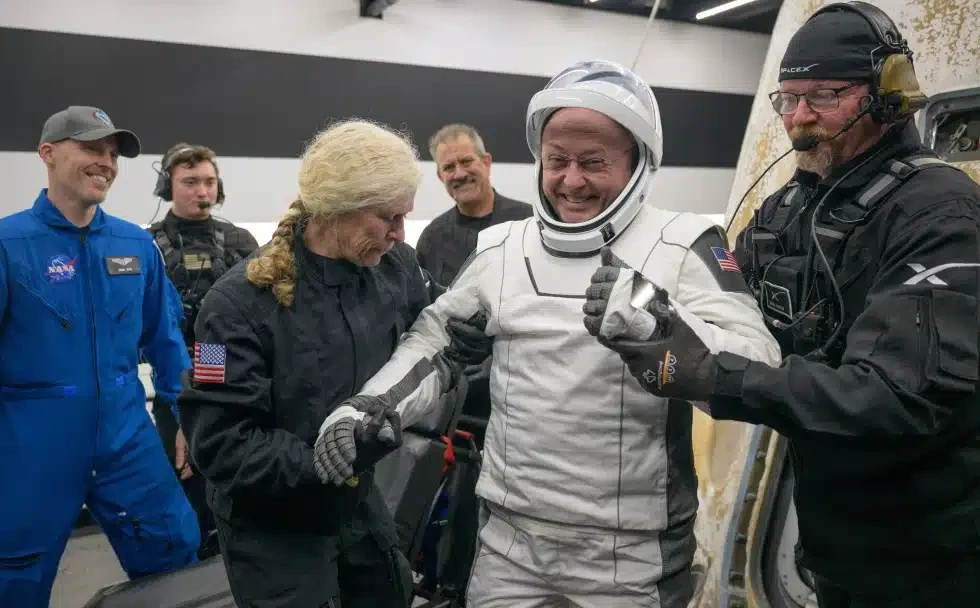
Challenges of Medical Care in Orbit
The Associated Press notes that this event led to NASA’s unprecedented decision to medically evacuate an astronaut from the ISS, highlighting the gravity of the situation. Though the station’s proximity to Earth allows for relatively fast returns, the process remains complex and perilous. Fincke’s early return interrupted planned mission goals, including spacewalks, underscoring the tension between astronaut health and mission success.
Medical support in space is inherently restricted; astronauts receive emergency training and carry basic diagnostic gear but lack full medical facilities or specialists. Surgical options, advanced imaging, and immediate expert presence are not available on orbit. Decisions rely heavily on consultation with Earth-based medical teams, posing greater challenges when the cause remains unknown. While a cardiac event was excluded, the inability to diagnose the incident increases concern over recurrence, especially for longer journeys.
The Rising Stakes for Artemis Lunar Missions
With preparations underway for the NASA Artemis II mission — the first crewed journey around the Moon — the implications of such medical emergencies become more critical. Missions beyond low Earth orbit face longer communication delays, prolonged travel durations, and limited options for evacuation. Unlike the ISS, where returning to Earth can take hours, lunar expeditions might require days before medical aid is accessible, drastically altering risk management approaches.
NASA's aspirations for a long-term lunar presence and potential base installations hinge on overcoming these challenges. One unexplained medical event in space could threaten the lives of astronauts and mission success. To address these risks, teams are accelerating development of autonomous healthcare systems including AI diagnostics, advanced telemedicine, and compact medical devices tailored for deep-space missions. Fincke's case serves as a potent reminder that success in space exploration is as dependent on human health resilience as on engineering prowess.
The Persistent Mystery in Deep Space Health
This incident underscores an unsettling gap in our knowledge. Spaceflight affects the body in complex, sometimes unpredictable ways—ranging from bone loss to circulatory changes—but an abrupt neurological symptom like sudden speech loss introduces an unfamiliar challenge. Without a known cause, preparing for or preventing similar episodes becomes a significant hurdle.
NASA is currently analyzing past health data to determine if similar events have taken place without recognition. This investigation could uncover hidden patterns or risk factors, shedding light on how humans adapt to space environments. As the duration and distance of missions increase, understanding these unknown variables becomes increasingly vital. The future of exploration depends on medical insights as much as technological advances.
An Urgent Call to Enhance Space Medicine
After recovering fully, Fincke’s experience has sparked extensive discussions within the spaceflight community. His episode is now a key study in the unpredictable nature of space-related health issues, stressing the importance of robust medical readiness. It highlights the need for backup systems, flexibility, and rapid intervention capabilities in a setting devoid of conventional healthcare.
As humanity advances toward lunar exploration and beyond, every mission offers critical lessons. This event underscores a crucial reality: the most formidable obstacles in space may originate within the human body itself. Addressing these risks will be fundamental to ensuring future missions are not only groundbreaking but also safe.
- Categories:
- Space






0 comments
Sign in to Comment