
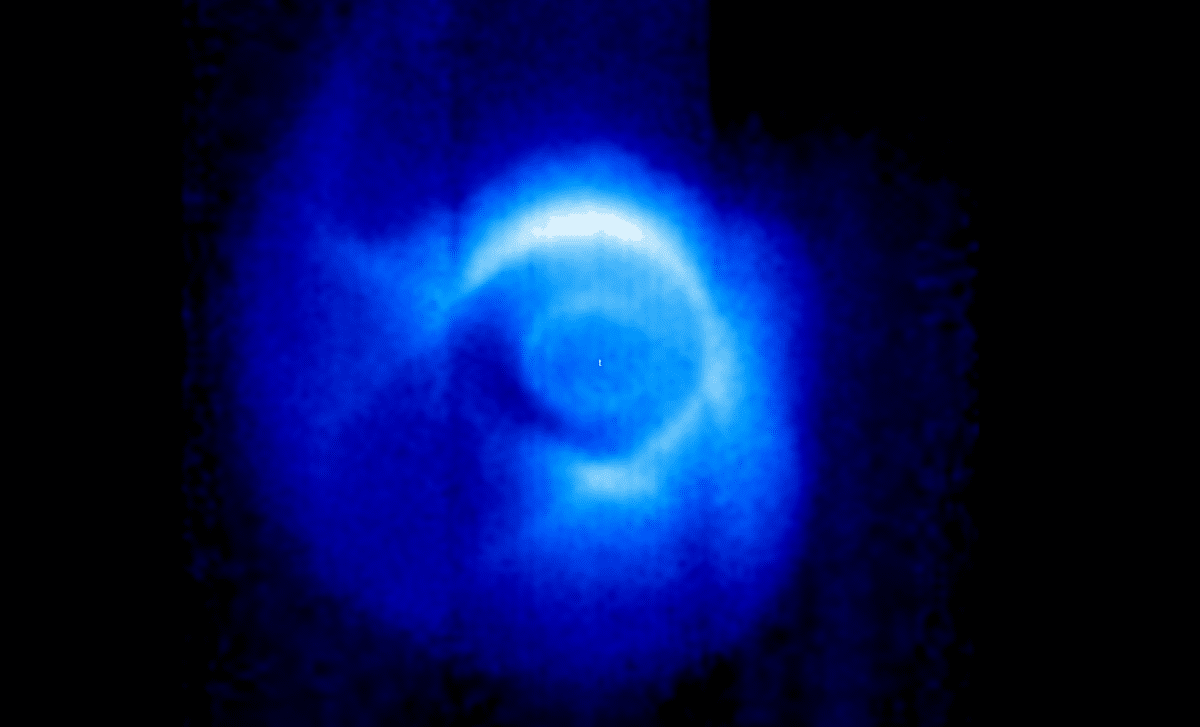
Earth is traveling through space with a hidden companion—a vast magnetic tail extending millions of kilometers behind it. New research by NASA reveals that this feature, though unseen, plays a vital role in how our planet interacts with the surrounding cosmic environment.
Earth’s Magnetosphere: The Protective Barrier
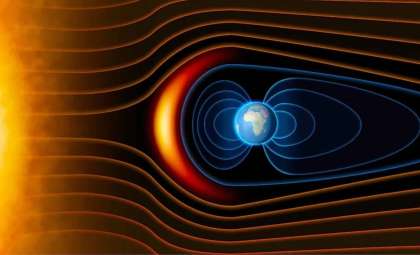
The magnetic tail is part of Earth's broader defense system known as the magnetosphere. This unseen shield, formed by our planet’s magnetic field, protects Earth from the relentless bombardment of solar wind particles. As described by NASA, the magnetosphere governs the movement of charged particles in the vicinity of Earth, preventing harmful solar winds from eroding the atmosphere and enabling life to flourish. One remarkable outcome of this shielding effect is the formation of Earth's elongated magnetic tail.
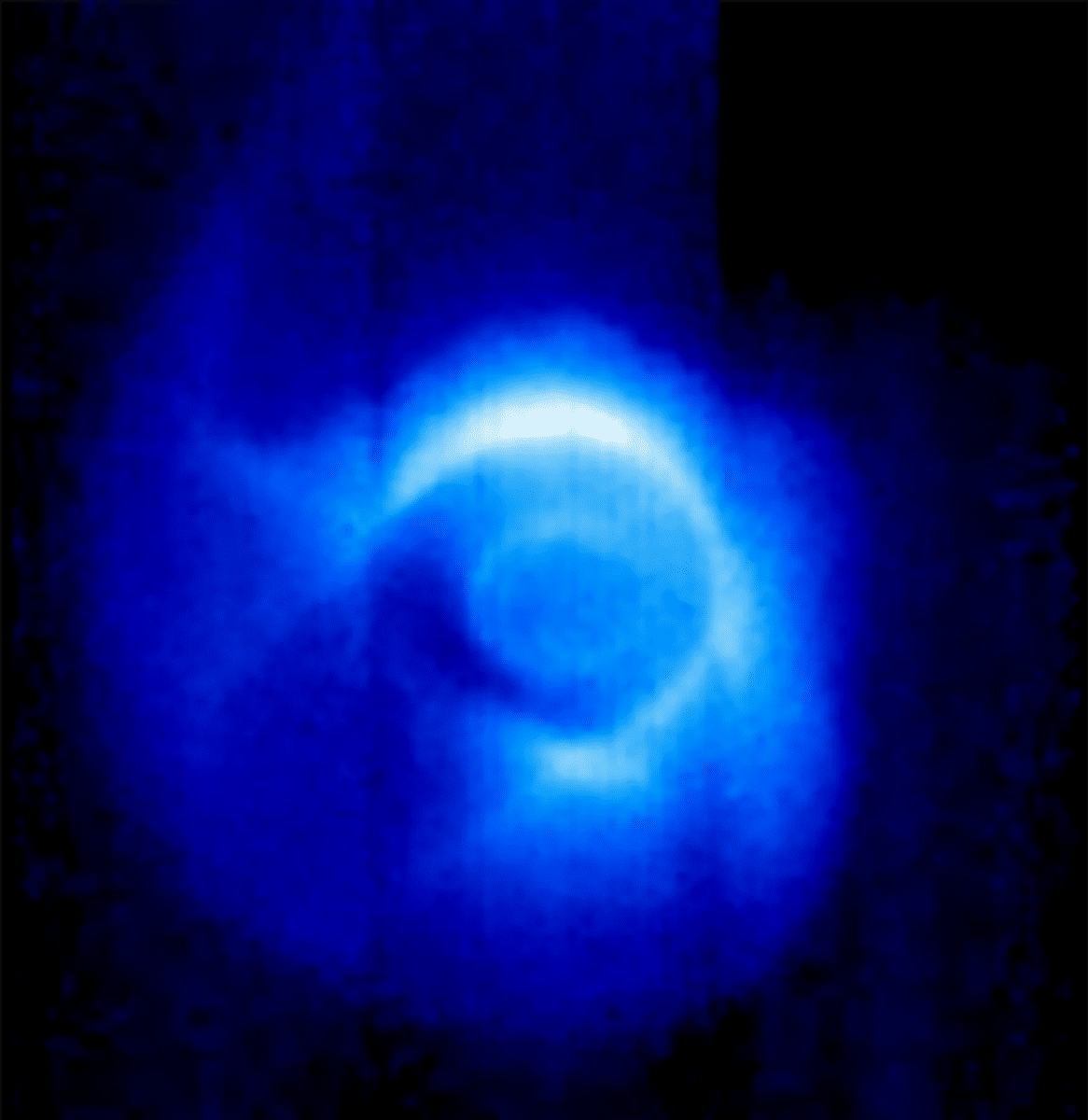
Generated by the motion of molten metals within Earth’s outer core, the magnetic field extends deep into space, capturing charged gas called plasma produced by solar wind. While magnetic fields are well understood in theory, novel spacecraft observations have started to shed light on the invisible tail shaped by these charged particles trapped within Earth’s magnetosphere.

An Invisible Tail Spanning Millions of Kilometers
Unlike the luminous tails of comets, Earth’s tail is composed of plasma—an electrified gas—which is invisible but immense. The solar wind exerts pressure on Earth’s magnetic shield, pushing plasma backward and creating a tail that stretches over 2 million kilometers. NASA explains that the
“solar wind distorts the Earth’s magnetosphere… compressing it on the Earth’s day side, like the head of a raindrop” and stretching it on the night side, forming a tail.
This distortion results directly from interactions between the solar wind and Earth's magnetic field. Imagine a raindrop falling—it starts as a sphere but elongates due to air resistance. Similarly, the solar wind shapes Earth’s magnetosphere into a teardrop, with a long tail trailing behind, producing a dynamic and intricate structure in space.
The Magnetotail: Earth’s Extensive Cosmic Extension
This enormous formation, called the magnetotail, stretches far beyond our atmosphere and continually shifts shape depending on solar activity. The solar wind—a steady stream of charged particles ejected by the sun—interacts with the magnetosphere, causing fluctuations that stretch or compress the tail. In moments of intense solar events like flares or coronal mass ejections (CMEs), the magnetotail can undergo dramatic rearrangements.
An example occurred in April 2023, when a powerful CME temporarily transformed Earth’s magnetotail into a set of “Alfvén wings,” an alternate configuration triggered by intense solar wind pressure. Plasma inside the magnetotail is in constant motion, and despite decades of research, many details about this vast structure remain unknown. NASA notes that
“Single spacecraft cannot hope to discover the secrets of this vast region,” highlighting the scale of this mysterious tail.
Plasma: The Energetic Substance Behind Earth’s Tail
The core component of Earth's tail is plasma, a distinct state of matter comprised of free ions and electrons. Energized by sunlight in the near-Earth environment, this plasma becomes ensnared within the magnetosphere, forming the tail’s structure.
As solar winds push on the magnetosphere, plasma flows in a circulating pattern from the planet’s dark side back towards the sun, creating a celestial river of charged particles. This continuous flow helps mediate the forces between Earth and the sun, contributing to the intricate balance that sustains our space environment.
The Magnetotail’s Role in Space Weather and Earth’s Safety
While the magnetotail does not have a direct influence on daily life, it profoundly shapes the space environment surrounding Earth. The magnetic field generating the tail shields us from hazardous cosmic rays and high-energy particles, protecting satellites, astronauts, and vital technologies from radiation damage. This barrier is a key factor in enabling life to exist on our planet.
The magnetotail significantly influences space weather conditions. Its size and shape vary with solar activity, affecting satellite systems, communication networks, and even power grids during periods of strong solar storms. Deciphering the interactions within the magnetotail is essential for predicting space weather to safeguard Earth's technological infrastructure.
- Categories:
- Space

0 comments
Sign in to Comment