
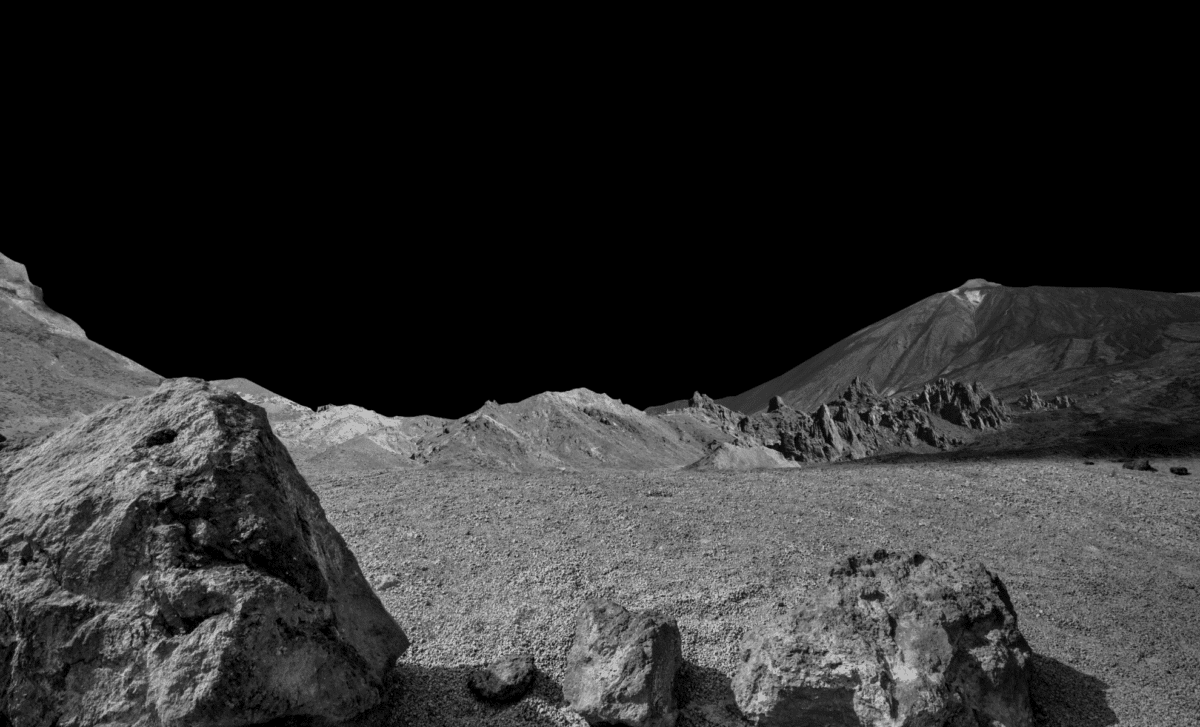
NASA’s forthcoming Artemis II mission will transport not just astronauts, but also a unique collection of artifacts celebrating more than 100 years of human achievements in flight and exploration. This pioneering crewed endeavor of the Artemis program aims to orbit the Moon, linking the dawn of aviation with humanity’s future in deep space.
Connecting Historical Achievements to Future Exploration
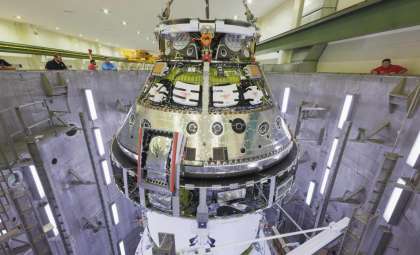
Planned to launch with the Orion spacecraft atop the powerful Space Launch System (SLS) rocket, Artemis II is a crucial milestone for NASA’s return to crewed lunar missions after more than fifty years. Among the carefully selected cargo are relics symbolizing key milestones in aviation and spaceflight history.
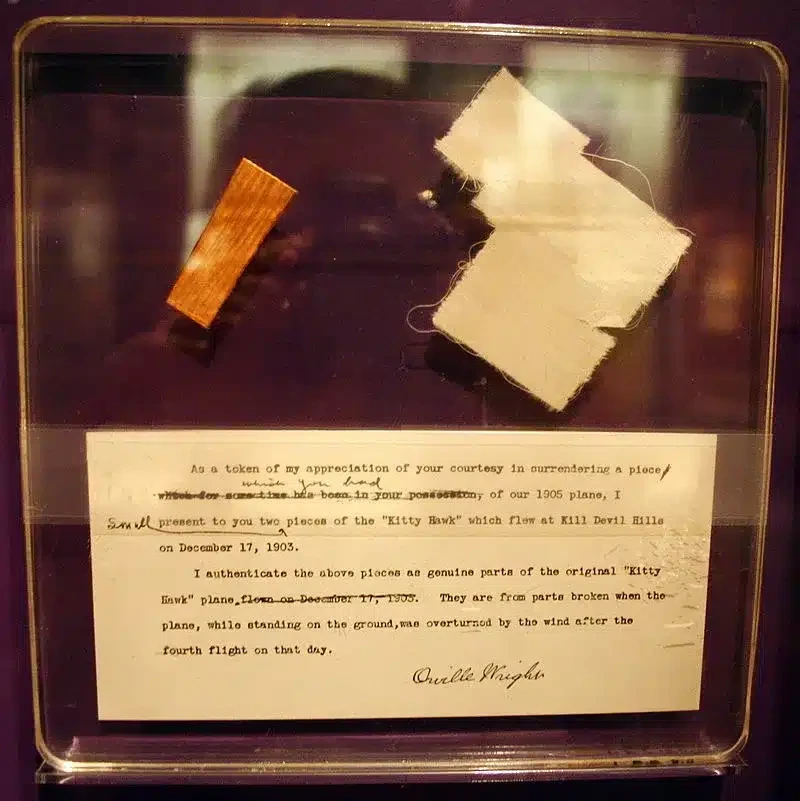
NASA has announced that the Artemis II kit will carry a piece of muslin fabric from the Wright Flyer, the first powered airplane constructed by the Wright brothers in 1903. This fragile artifact, lent by the Smithsonian’s National Air and Space Museum, is set to journey farther into space than any item from that era before it.

Along with it, a small American flag that has previously flown on missions ranging from STS-1 to Crew Dragon’s Demo-2 will continue its voyage. Additionally, a flag originally prepared for the canceled Apollo 18 mission will finally make its way to the Moon aboard Artemis II.
As NASA Administrator Jared Isaacman highlighted,
“Historical artifacts flying aboard Artemis II reflect the long arc of American exploration and the generations of innovators who made this moment possible. This mission will bring together pieces of our earliest achievements in aviation, defining moments from human spaceflight, and symbols of where we’re headed next. During America’s 250th anniversary, Orion will carry astronauts around the Moon while also carrying our history forward into the next chapter beyond Earth.”
Combining rich historical symbolism with advanced technology highlights NASA’s dedication to honoring the past as it ventures into a new era of space exploration.
Artifacts Steeped in Symbolism
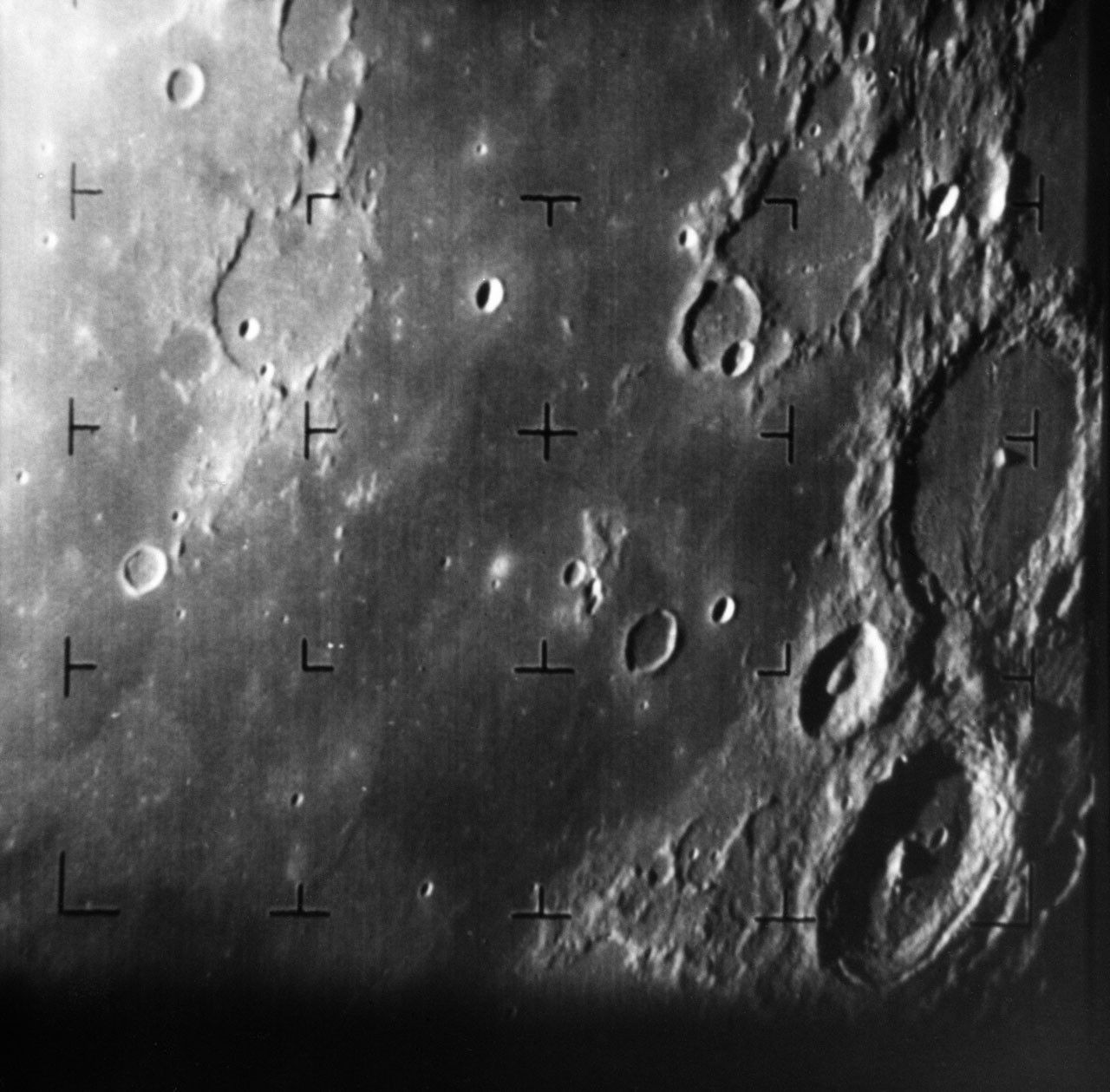
The selected items for Artemis II carry significance that goes beyond mere nostalgia; they embody humanity’s enduring drive to innovate. Included is the Ranger 7 mission photo negative, which gave the first close-up images of the Moon’s surface in 1964, alongside memorabilia from the Apollo years that inspired generations. Each artifact resonates as a link in the unbroken chain leading from initial flights on Earth to advanced lunar missions.
The Wright Flyer fabric sample holds deep symbolic value. The Wright brothers’ inaugural powered flight lasted mere seconds but revolutionized how humans view the skies. A century later, this same piece will orbit the Moon, marking the continuum from Earth’s first powered flight to journeys beyond.
NASA’s official Artemis II briefing notes that the mission not only validates spacecraft capabilities but also honors the enduring spirit of exploration, technology, and human determination. Described as a “flight of legacy,” the mission weaves America’s pioneering aviation feats into its bold space ambitions.
Preparing for Liftoff
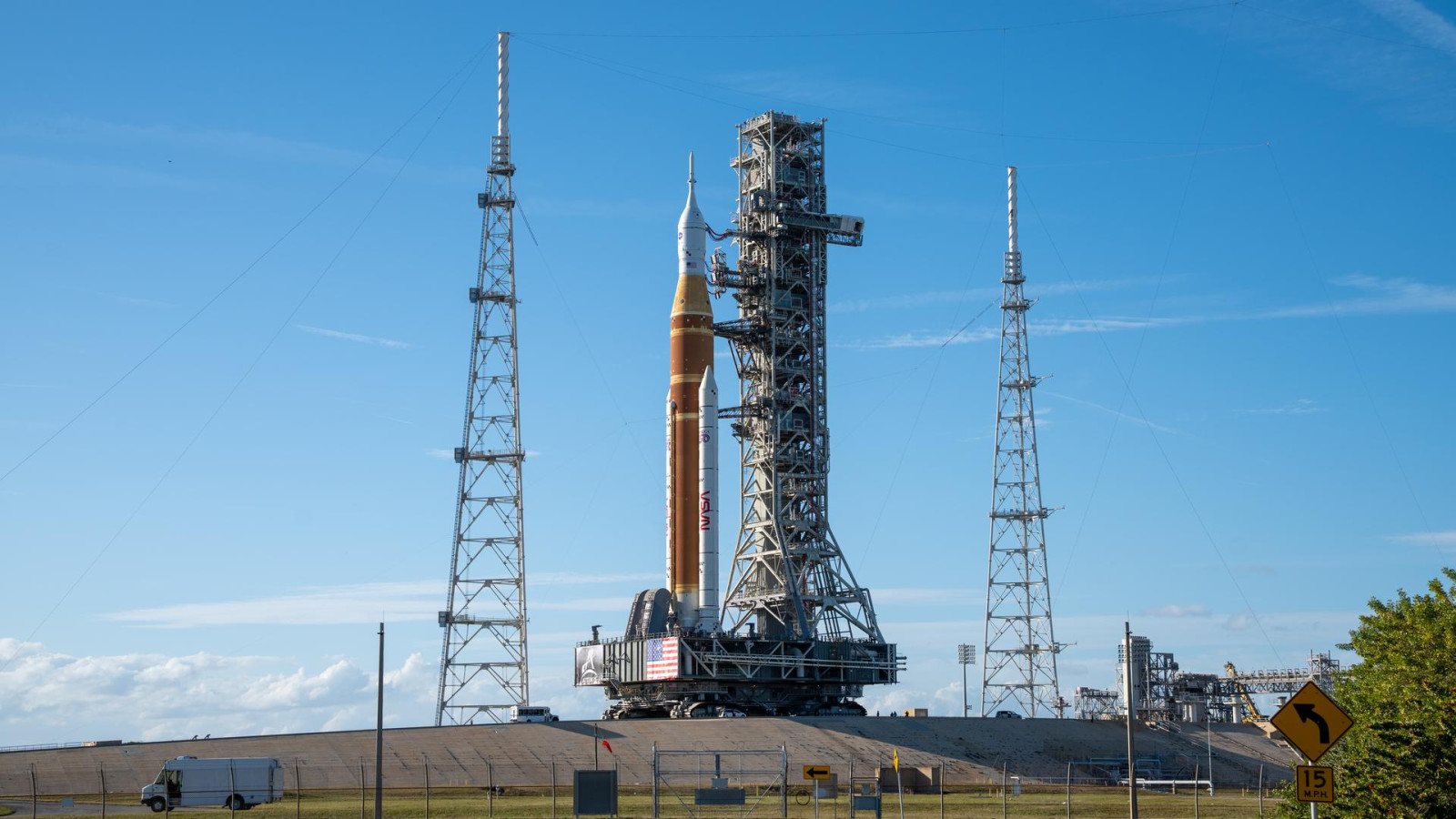
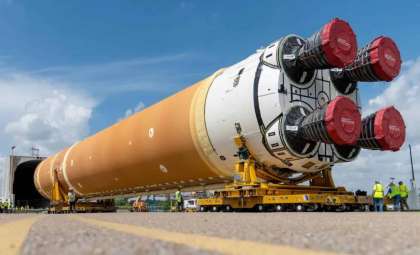
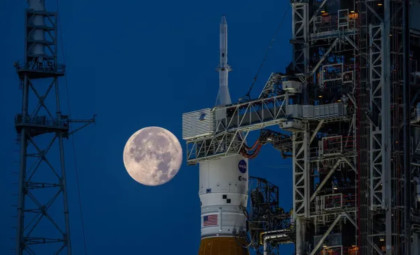
The Space Launch System (SLS) rocket and Orion spacecraft have been transported out of the Kennedy Space Center Vehicle Assembly Building, signaling that launch preparations are swiftly advancing. While an exact date remains tentative, NASA is aiming for a February timeframe, pending the success of the upcoming ‘wet dress rehearsal’ fueling evaluation.
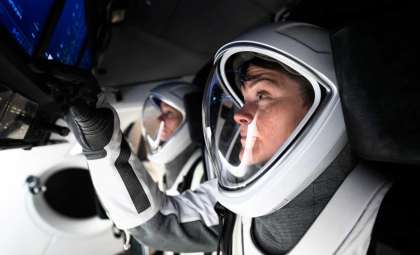
The launch will inaugurate a new chapter in lunar exploration, culminating years of technological development and international cooperation. The Artemis II crew — Reid Wiseman, Victor Glover, Christina Koch, and Jeremy Hansen — will be the first humans to travel beyond Earth’s orbit since Apollo 17 in 1972. Their journey will rigorously test Orion’s systems ahead of Artemis III, which plans to return astronauts to the lunar surface.
Artemis II embodies a fresh era of discovery, blending the heritage of past inventions with aspirations for a sustained human presence on and beyond the Moon. The artifacts onboard Orion are tangible reminders of the cumulative nature of progress, woven from centuries of daring, innovation, and inquisitiveness.
- Categories:
- Space





0 comments
Sign in to Comment