
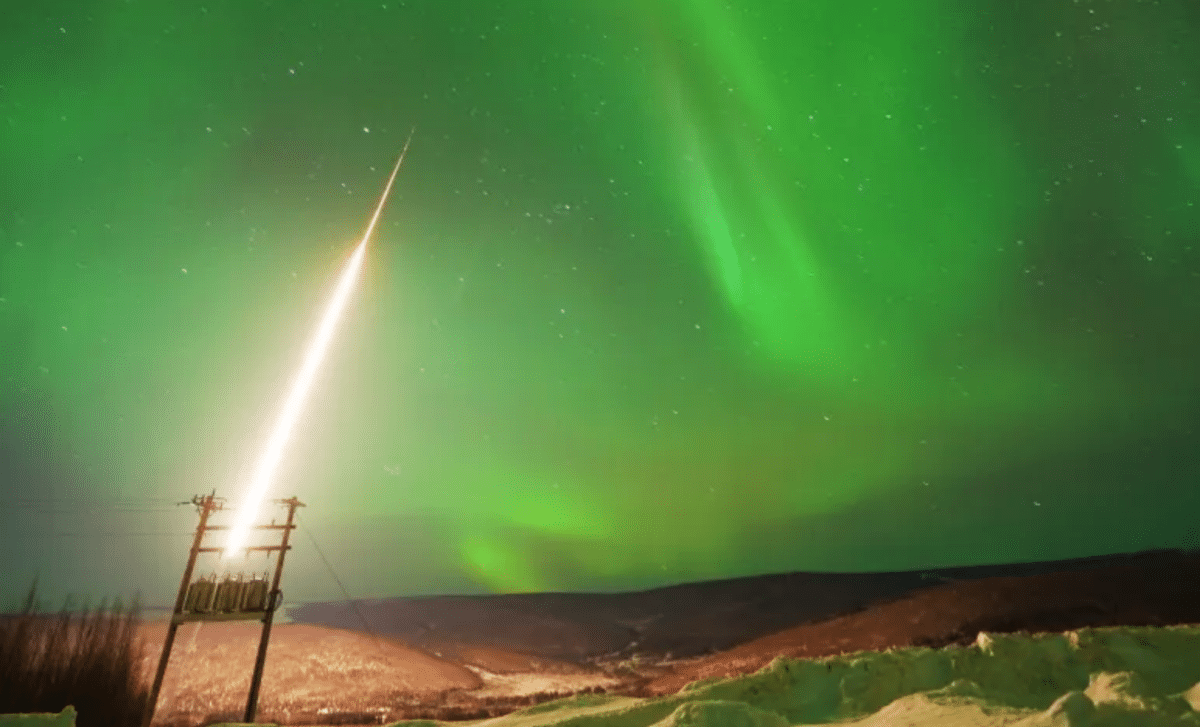
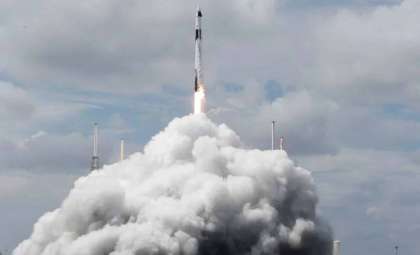
NASA recently executed two rocket launches from Alaska with the goal of probing the enigmatic phenomenon of auroras, focusing particularly on the elusive black auroras. These suborbital flights, launched from the Poker Flat Research Range near Fairbanks, mark a significant advancement in uncovering how auroras operate and interact with Earth's atmospheric layers.
Investigating Black Auroras Through the BADASS Mission
The Black and Diffuse Auroral Science Surveyor (BADASS) mission, which took off on February 9, 2026, targets one of the aurora’s most perplexing features: black auroras. Unlike typical auroras where electrons flow down towards Earth, black auroras are characterized by electrons moving upward away from the planet. The underlying causes of this inversion remain unclear, driving scientists to delve into its mechanics. As detailed by NASA, the BADASS mission aims to understand why this electron flow reversal occurs and its effects on Earth’s space environment and magnetosphere. Equipped with advanced instruments, the rocket ascended to altitudes near 224 miles (360 kilometers), successfully collecting valuable data to illuminate the nature of black auroras.
Decoding Auroral Currents with the GNEISS Mission
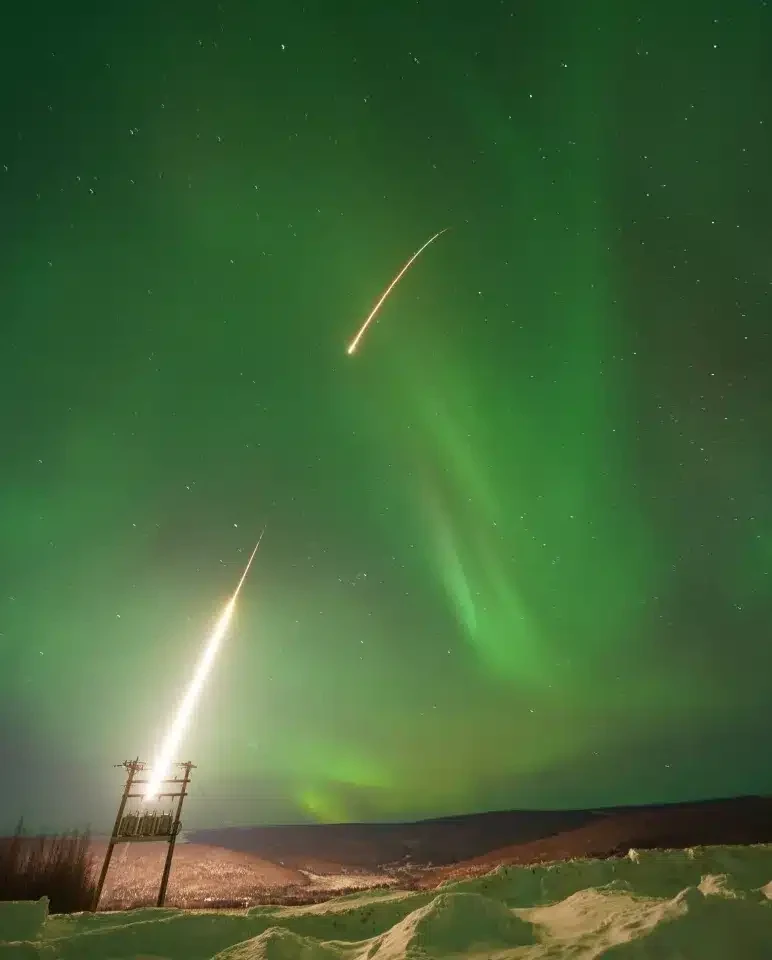
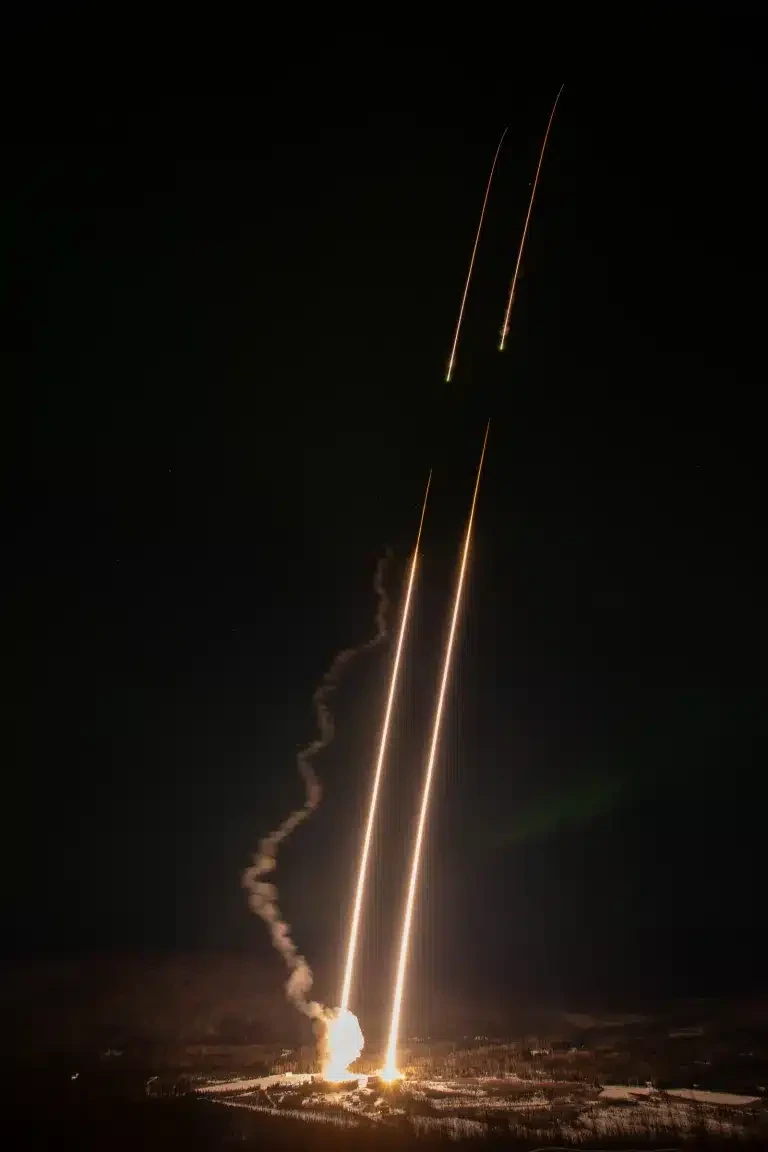
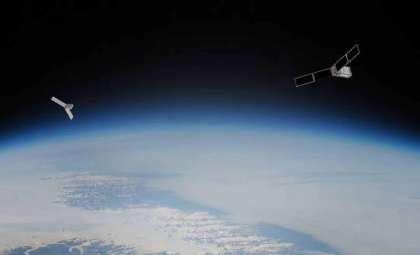
The Geophysical Non-Equilibrium Ionospheric System Science (GNEISS) mission, launched a day later on February 10, 2026, employed twin sounding rockets to perform a "CT scan" of auroral electric currents. This mission zeroes in on the microscopic processes governing current flows within the ionosphere. As Kristina Lynch, the lead investigator from Dartmouth College, described,

“We’re not just interested in where the rocket flies. We want to know how the current spreads downward through the atmosphere.”
This work is essential to grasp how auroras influence both our atmosphere and Earth's magnetic environment, yielding insights crucial for safeguarding satellites, astronauts, and power infrastructure against geomagnetic disturbances.
The two rockets reached about 198 miles (319 kilometers) altitude, transmitting key data throughout their brief flights. Coupling these direct measurements with observations from ground stations equips researchers to construct a detailed plasma map beneath the auroras.
“It’s essentially like doing a CT scan of the plasma beneath the aurora,” said Lynch.
The information acquired offers a 3D perspective on the electrical environment of auroras, advancing the scientific understanding of these luminous atmospheric events.
Significance of Auroral Research for Earth and Space
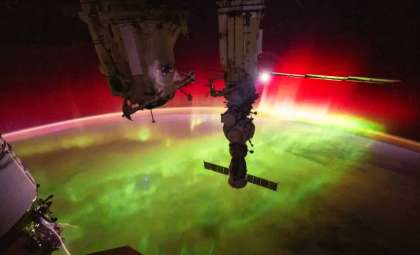
Auroras not only dazzle the night sky but also play a critical role in space weather studies. They result from solar wind particles interacting with Earth’s magnetosphere, processes that can trigger geomagnetic storms. While the auroras themselves pose no harm, these storms can disrupt satellite operations, GPS navigation, and power systems. Investigating auroras aids scientists in building better forecasting models to prepare for these disruptions and protect technology and infrastructure.
Moreover, astronauts are vulnerable to these space weather events. Deeper knowledge of auroral activity enables space agencies like NASA to devise improved safety protocols for space missions. Therefore, the rockets' collected data are critical for advancing not just scientific knowledge but also the protection of human activities in space.
NASA’s Dedication to Astronaut and Satellite Safety
NASA’s auroral studies extend beyond curiosity, focusing heavily on shielding vital space assets from solar storm impacts. Understanding auroral electric currents helps the agency refine prediction and mitigation techniques against geomagnetic interference. As space exploration progresses—especially with planned trips to the Moon and Mars—the preservation of astronaut safety and satellite functionality is paramount. The data from the BADASS and GNEISS missions will be instrumental in addressing these concerns for years ahead.
Combining Ground and Space Data to Revolutionize Auroral Science
Integrating direct rocket measurements with terrestrial aurora imagery is a groundbreaking strategy in auroral research. This combined technique produces sophisticated models and simulations, enhancing comprehension of the complex interactions between solar winds and Earth's atmosphere. As Lynch emphasized,
“If we can put the in situ measurements together with the ground-based imagery, then we can learn to read the aurora.”
This novel approach promises to transform future space weather and aurora investigations, unlocking new paths for discovery.
The BADASS and GNEISS endeavors mark the start of NASA's intensive studies into auroral phenomena. Their findings will support ongoing research and improve forecasting for space weather challenges in the future.
- Categories:
- Space





0 comments
Sign in to Comment